





Cannabis beverage data is compelling. Analysts regularly point to alcohol substitution, faster onset formats, and expanding consumer acceptance. Capital is flowing in, large operators are launching drink lines, and every trade show seems to feature a new formulation promising better bioavailability and quicker effects.
And yet, many of these products quietly underperform.

Not because the science of delivery is wrong. Nanoemulsions work. Onset claims are often real. Stability can be achieved. The issue shows up somewhere else: the moment a consumer takes a sip and decides whether the taste is something they want to experience again.
Why cannabis beverages underperform despite advanced delivery
Anyone who has worked in conventional beverages recognizes this immediately. Liquids are unforgiving. There is no chew time, no fat matrix, no flavor delay. Aroma, bitterness, sweetness, and mouthfeel arrive all at once, and the product is judged instantly. This isn’t unique to cannabis; it’s a reality of beverage formulation.
Cannabinoids bring familiar challenges to that format. They are bitter, oil-based, and sensitive to time and temperature. Those traits are not unusual. Caffeine, botanical extracts, vitamins, and countless nutraceutical ingredients behave the same way. The food-and-beverage industry has spent decades learning how to work with the challenges.
Flavor is the real moment of truth
What’s interesting is how often cannabis beverages borrow their technical playbook from pharmaceutical delivery rather than from beverage formulation. Pharmaceutical systems optimize for efficacy, with the goal of getting an active compound into the bloodstream quickly and efficiently. Beverage systems optimize for repeat consumption by making something people actually enjoy drinking.
Cannabis beverages need both approaches, but many teams come from cultivation, extraction, or compliance backgrounds, not from flavor chemistry or beverage research and development. The result is a category full of drinks that deliver cannabinoids effectively but struggle to feel complete as beverages.
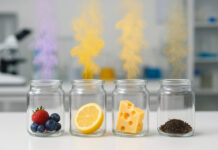
This helps explain why certain flavor profiles appear again and again. Citrus-, berry-, ginger-, and cream-forward profiles are not trends so much as reliable tools. They carry aroma well, tolerate acidity, and integrate bitterness more gracefully than many alternatives. For example, citrus and ginger profiles are particularly effective at aiding terpene retention in beverages while masking off-notes. Used well, they allow the underlying formulation to disappear into the experience.
Used poorly, they simply mask problems.
Bitterness, sweetness, and mouthfeel aren’t optional
Sweetness is a good example. Sugar historically did far more than make beverages taste sweet. It also added body, softened bitterness, and shaped how flavor unfolded on the palate. When sugar is reduced or removed for calorie content, positioning, or regulatory reasons, those functions must be replaced. If they aren’t, the drink feels thin, harsh, or unfinished, regardless of potency.
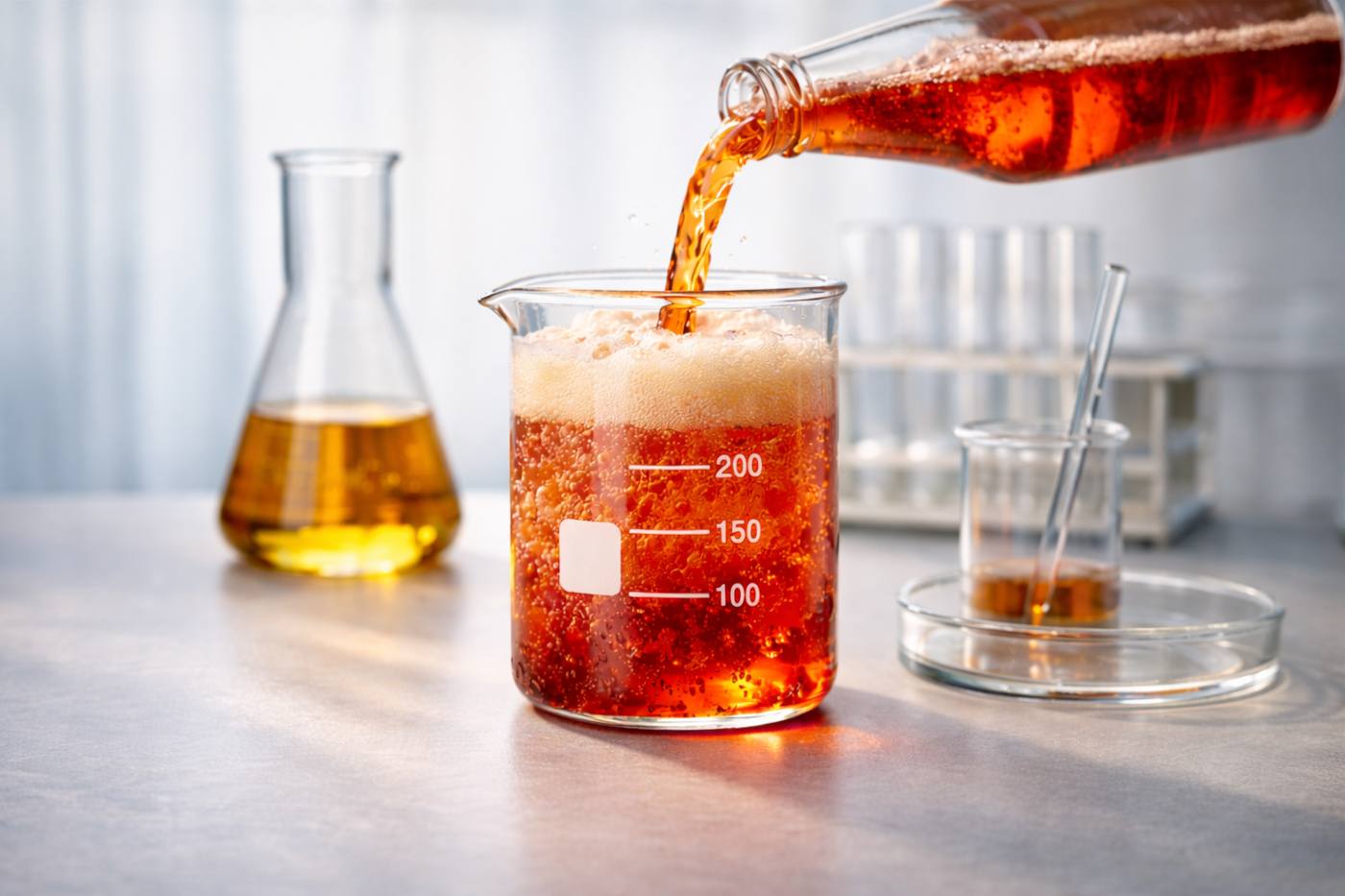
Mouthfeel plays a similar role. Carbonation bite, viscosity, and finish influence how quality is perceived and how flavors register. A thin beverage amplifies bitterness; a well-structured one moderates it. Consumers rarely describe this explicitly, but their purchasing behavior reflects their perception.
Preservation and stability shape consumer trust
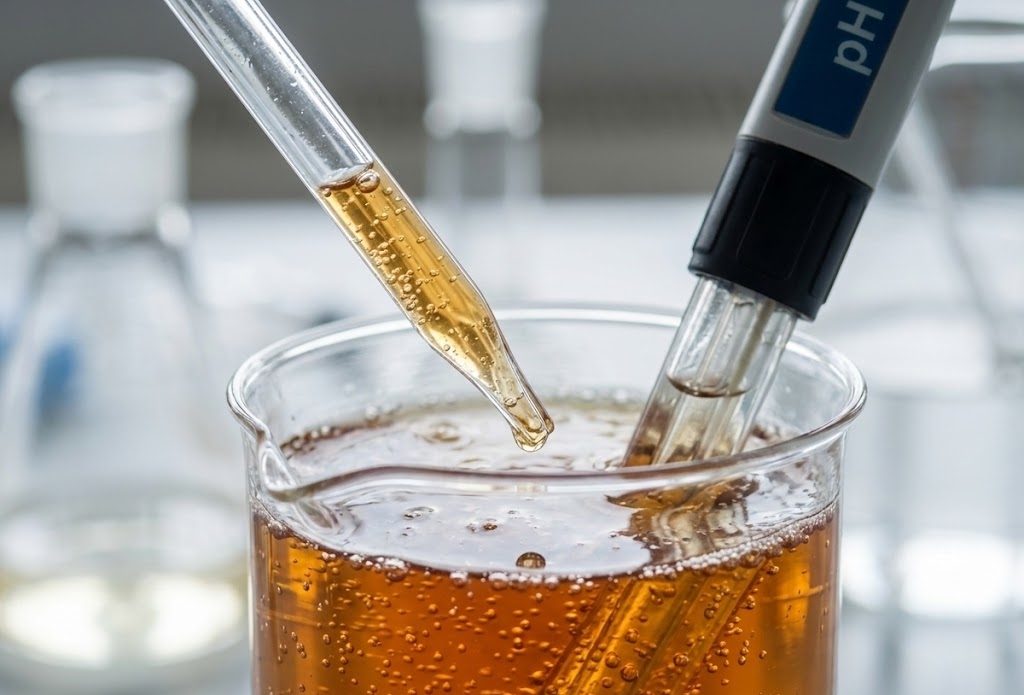
Preservation introduces another quiet failure point. Cannabis beverages often sit in a difficult middle ground: nutritionally rich enough to support microbial growth, not always acidic enough to self-preserve, and filled with compounds that oxidize over time. Without thoughtful preservation strategies that combine pH control, antioxidants, appropriate packaging, and sometimes mild preservatives, products lose potency, develop “off” flavors, or destabilize long before they reach consistent retail velocity.
None of these challenges are novel. The flavor and beverage industries have addressed them for decades through techniques like bitterness modulation, encapsulation timing, textural engineering, and multi-hurdle preservation. The knowledge exists; it simply lives outside the cannabis echo chamber.
Beverage science already solved these problems
The cannabis beverages that perform best reflect beverage industry best practices, even if they do so unintentionally. Their taste is stable warm and cold. They finish cleanly. They don’t rely on extreme sweetness to get through the first sip. And, most importantly, people actually finish an entire serving.
As the category matures, novelty will matter less than reliability. Cannabis drinks aren’t competing only with other cannabis products. They’re also competing with every other beverage consumers already enjoy. The brands that recognize that fact early tend to build quieter, more durable momentum.
In beverages, chemistry gets a product to market. Flavor keeps it there.
Cannabis beverage flavor science: your questions, answered
Why do many cannabis beverages fail despite fast onset?
Many fail because high-tech delivery doesn’t compensate for a poor drinking experience. Consumer retention depends on flavor, mouthfeel, and stability — not just potency.
What makes cannabis beverages harder to formulate than edibles?
Liquids deliver aroma, taste, and texture instantly, leaving no buffer for bitterness or imbalance. Unlike edibles, beverages are judged immediately on flavor and mouthfeel.
Why is bitterness such a challenge in cannabis drinks?
Because cannabinoids are naturally bitter, oil-based compounds. Success requires advanced bitterness masking and flavor modulation to ensure the consumer only tastes the intended profile.
How does mouthfeel affect cannabis beverage quality?
Mouthfeel influences how bitterness is perceived and how “complete” a beverage feels. Thin drinks amplify harshness, while structured textures improve flavor integration.
What can cannabis brands learn from the beverage industry?
The beverage industry has decades of experience managing bitterness, sweetness, stability, and shelf life — knowledge that cannabis brands can apply directly to improve repeat sales.
What are the biggest cannabis beverage consumer trends for 2026?
The most significant trend is the “sober-curious” shift, where consumers swap alcohol for low-dose, fast-acting THC seltzers that offer a social buzz without the hangover. Additionally, there is a surge in demand for “functional” beverages that pair cannabinoids with adaptogens like ashwagandha or L-theanine for targeted wellness effects like stress relief and focus.

Flavor chemist and microbiologist James Stephens is co-founder of Sinful, a cannabis beverage platform focused on translating modern food and beverage science into repeatable, scalable THC experiences.
Related Articles: