








An award-winning communications agency specializing in highly regulated industries including cannabis, hemp, and psychedelics, Maverick Public Relations brings together senior-level communications professionals with decades of combined experience in shaping the narrative. Proudly certified as a minority- and woman-owned business, Maverick employs a strategic blend of media relations, social media management, content creation, marketing support, and performance optimization to educate and engage customers, decision makers, and regulators.
“Relationships matter — with journalists, community leaders, retail partners, and especially customers,” said founder Shawna Seldon McGregor. “Every interaction is an opportunity to build credibility. A strong communications strategy is not just about visibility; it’s about building a durable bank of trust that protects your brand during challenges and accelerates it during opportunities.”

Resetting expectations around public relations
What’s the biggest misconception businesses have about public relations?
The biggest myth about PR is that it’s a quick fix. Many leaders believe a single press release or article will instantly transform sales. In reality, communications is about building credibility and trust over time. To achieve PR success, you need to be committed for at least six months. Daily news and blogs may run content five times a day, but some magazines plan to publish content three months to a year in advance. Patience and persistence are what make PR work.
What’s one simple thing companies can do internally to get more out of their campaigns?
The most essential aspect to get more out of your campaign is to focus on SMART [Specific, Measurable, Achievable, Relevant, Time-bound] strategies. When companies share Google Analytics and sales data with their partners, campaigns can be truly data-driven, making it easier to spot when things are off track and adjust course quickly.
Building authentic brand stories that last
What makes for a strong brand story?
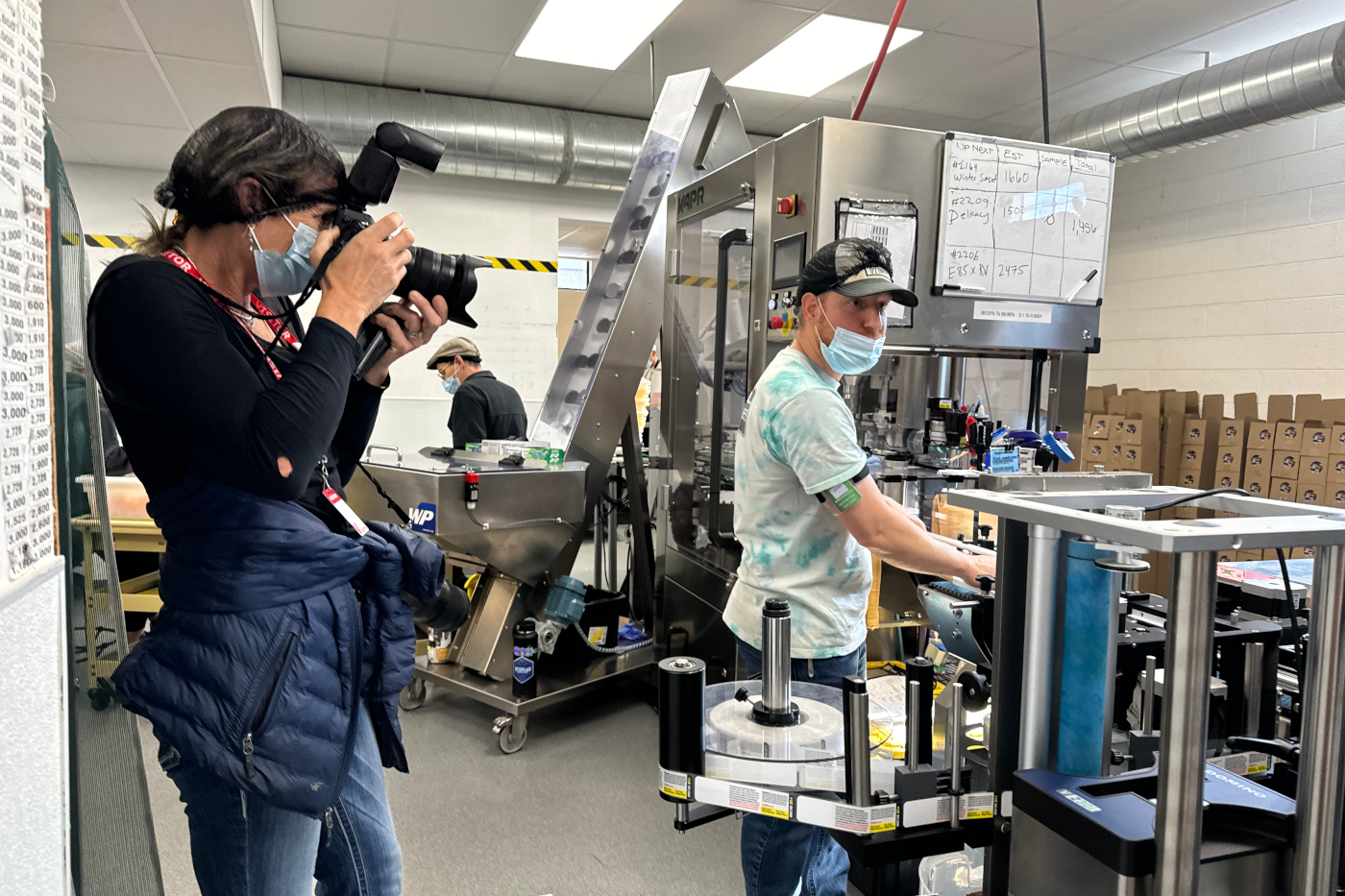
Strong brand stories are rooted in authenticity, consistency, and relatability. The most compelling PR campaigns feature the voices of real people, including founders, staff, patients, and customers, who embody the company’s values and demonstrate the product’s impact in everyday life.
Where opportunity and audience intersect
What’s the most overlooked opportunity brands should be paying attention to right now?
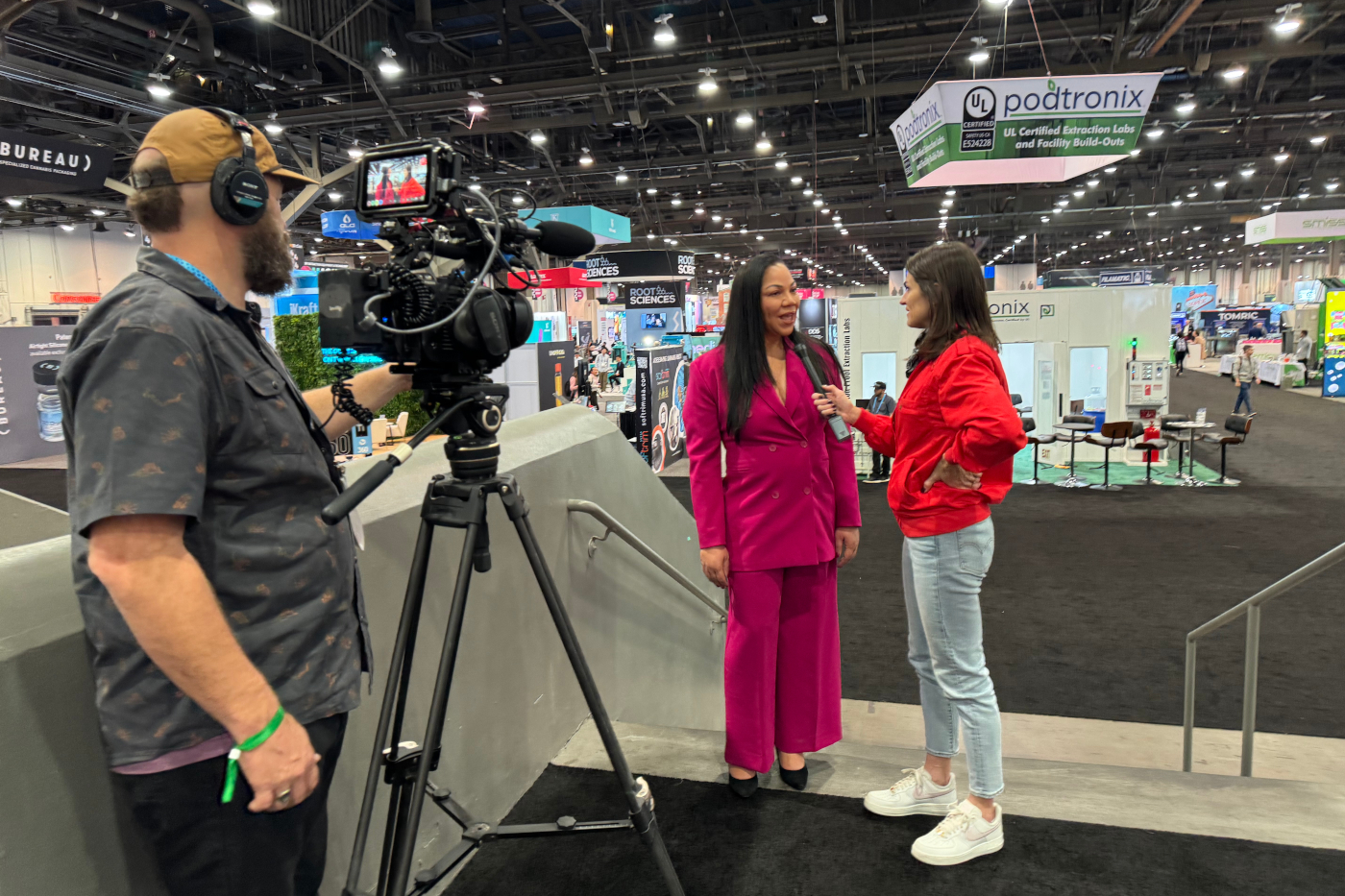
The most overlooked opportunity is optimizing thought leadership. Beyond media coverage, brands can share expert perspectives through outlets such as mg Magazine, apply for speaking roles at key conferences, and use those events strategically, from press interviews to targeted meetings with potential partners, to expand credibility and connections.
What trends in consumer behavior should companies be paying attention to?
Every dispensary serves a specific consumer base, whether it is neighborhood regulars or tourists. Understanding what drives people to a store and why they purchase certain products is crucial. This is where PR comes in: How are you tracking and responding to that data? In addition, consumers are shifting toward wellness-driven, functional products, not just “high THC.” They expect brands to reflect their values, from sustainability to social impact, and they reward transparency.
What’s one channel or tactic that’s delivering surprising results right now?
Niche podcasts and influencer collaborations with micro-communities are delivering surprising results. Big isn’t always better: Shouting to a large audience that doesn’t care is far less effective than being in a room with a couple dozen people who can become your strongest advocates. Smaller audiences often convert more deeply because they feel a sense of trust and shared values.
Connecting PR to measurable outcomes
How can companies connect PR and marketing to business outcomes?
Instituting SMART campaigns is critical to linking PR with business outcomes. That requires client trust: Agencies need access to analytics to see when initiatives are driving web traffic or sales. PR is the top of the sales funnel. It is about education and trust. Companies that share data openly with their partners tend to experience the most tremendous success.
What role does data play in shaping effective campaigns?
Access to data is crucial for the success of campaigns. From establishing a baseline to conducting surveys, data clarifies who the audience really is and what resonates with them. It should guide targeting, messaging, and measurement, so brands can pivot quickly instead of chasing the newest shiny object.
Budget effectiveness and partner selection
What’s the smartest low-budget tactic you’ve seen work in marketing or PR?
Thought leadership is one of the most brilliant low-budget tactics. A well-placed op-ed or speaking opportunity costs little but positions a company as an authority in its field. When paired with strategic conference participation, utilizing the stage and arranging one-on-ones to connect with media and peers, even modest investments can establish credibility, visibility, and long-term trust.
What advice would you give a company choosing an outside PR partner for the first time?
When a company chooses an outside communications partner for the first time, a few key items are essential. Too often, I hear from new clients who invested in agencies without clear deliverables or measurable outcomes. Look for a partner who understands your industry and knows how to tell your story to the right audience. Just as necessary, ask how they track success, communicate progress, and ensure alignment. Transparency and cultural fit matter far more than flashy decks.
Preparing for pressure
What’s one mistake companies often make in PR or marketing?
The biggest mistake companies make in PR is assuming it works like advertising. PR is about building credibility through news, creators, and trusted channels, a process that can take time — from days to years. Another common mistake is chasing every trend without a clear strategy. Both approaches scatter efforts and drain budgets, leaving companies frustrated rather than building a lasting impact.
How should brands prepare for a crisis?
As a member of the Crisis Ready Institute, my first principle is to distinguish between an issue and a true crisis. Having a crisis-ready culture means building a culture that prevents incidents from escalating in the first place. Preparation includes having a plan and templated materials, identifying a spokesperson, defining an approval process, and running scenarios. That way, if a crisis does arise, the team can respond with clarity and speed, rather than scrambling.
How can companies make sure their messaging stands out in a crowded market?
Communications today looks very different than it did even five years ago, with audiences spread across platforms from YouTube and TikTok to news apps and Substack. You don’t need to be everywhere. You need to be where your customers are. If your audience follows influencers and reads trade outlets more than mainstream papers, that is where you should focus. Find your lane and own it. Whether it is product innovation, price point, or cultural connection, brands with a distinct narrative stand out more than those that simply shout louder.
Opportunities, credibility, and trust
How do you see marketing and PR evolving over the next two years?
Legalization continues to expand globally, and that creates very different media landscapes. In newer markets, traditional news outlets are eager to cover the industry, while in mature markets, it takes creativity and a strong news hook to break through shrinking newsrooms. At the same time, mainstream media is opening more to cannabis, which raises the bar for professionalism. The key is understanding the distinction: PR requires a credible hook for coverage, while marketing must connect directly with your target demo or you risk burning resources without return.
What’s the one piece of advice you think every business leader should know?
Trust is a bank account you must consistently deposit into, with your customers, staff, and partners. When challenges inevitably come, that bank of trust is what sustains your business. Ours is a small industry, and trust and integrity will always set the lasting companies apart.
Related Articles: