






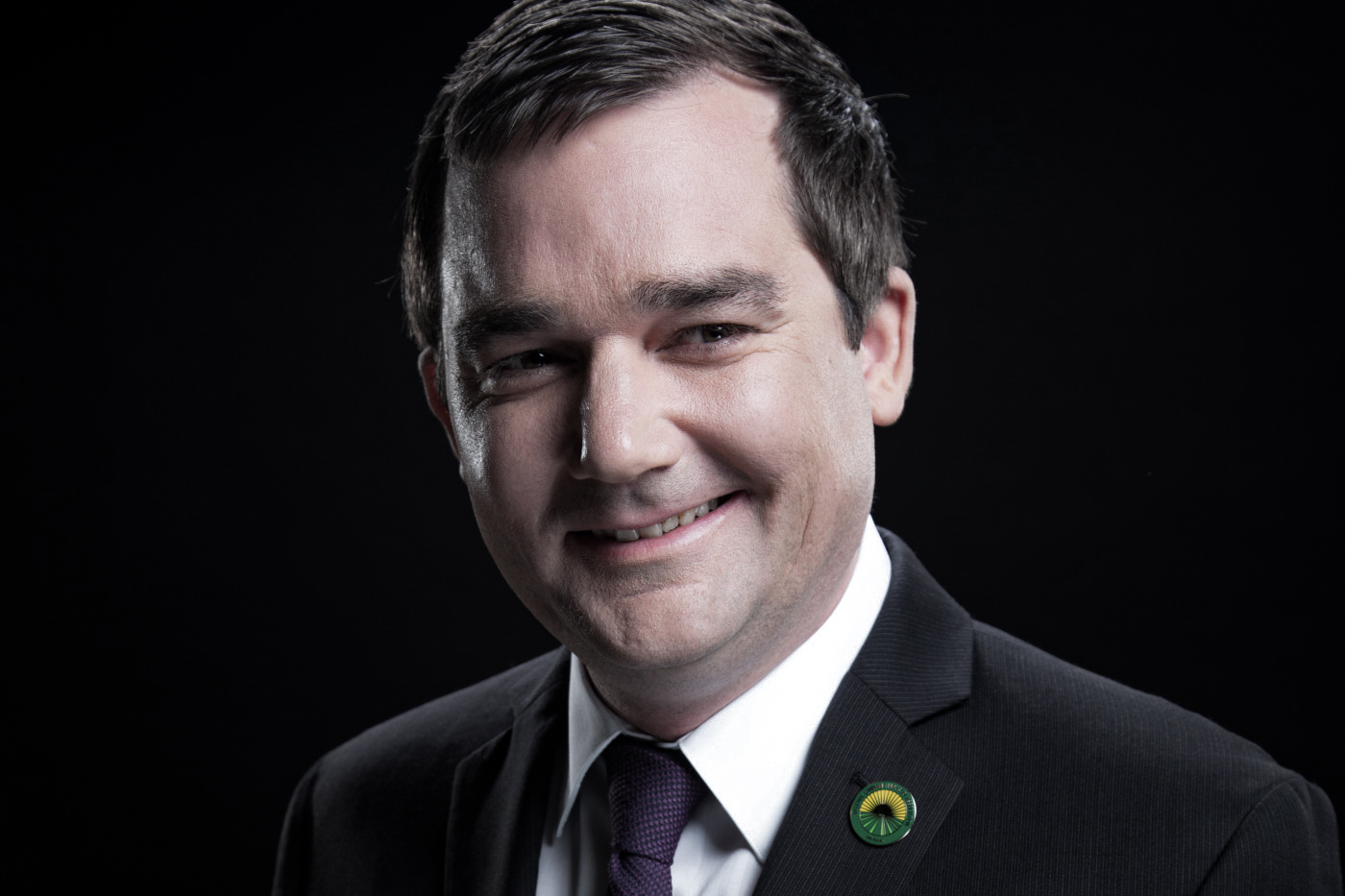
WASHINGTON – The National Cannabis Industry Association (NCIA), the country’s oldest and largest cannabis trade group, is entering a new chapter as its founding chief executive officer, Aaron Smith, prepares to step down on August 15 after fifteen years at the helm.
Smith, who co-founded the organization in 2010 to give cannabis businesses a voice in federal policymaking, will remain on NCIA’s board of directors, helping guide the transition and supporting future initiatives. During his tenure, the association evolved from a grassroots advocacy group into a key force on Capitol Hill, representing thousands of small and mid-sized cannabis businesses.

“It’s been the honor of a lifetime,” Smith said in a prepared statement. “NCIA was founded to give cannabis businesses a seat at the policymaking table. Today, our industry is generating billions in economic activity and is more politically engaged than ever.”
A defining voice in the early push for cannabis industry legitimacy, Smith was featured on the cover of mg Magazine in June 2016, where he outlined the NCIA’s “big-picture agenda” and vision for industry-wide representation. The accompanying profile highlighted his measured leadership style and deep commitment to federal reform — traits that helped establish NCIA as a vital advocacy group during a pivotal era of legalization.

Stepping into a broader leadership structure, the NCIA’s board — chaired by industry veteran Adam Rosenberg of Vlasic Bioscience — will oversee operations while the organization searches for new leadership. In the meantime, Chief Strategy Officer Brooke Gilbert has been promoted to chief operating officer, bringing more than a decade of institutional experience to the transition.
“Aaron built an organization with lasting influence,” Rosenberg said. “We are more committed than ever to delivering coordinated advocacy that reflects the full potential of the cannabis movement.”
Smith’s next chapter will take him to Unite America, where he will serve as political director, focusing on structural electoral reform — work he said complements his longstanding efforts to advance federal cannabis policy.
Related Articles: