






CORVALLIS, Ore. – Researchers have taken a significant step toward creating a standardized language for describing the aromas of cannabis and hemp.
“Aroma plays a key role in how consumers judge cannabis quality, yet until now there’s been no standardized language to describe it,” said Tom Shellhammer, professor of food science and technology at Oregon State University. “This research lays the groundwork for a shared vocabulary that benefits consumers, retailers and growers.”

Why aroma matters in cannabis quality assessment
The study, recently published on PLOS One, also has public health implications. Shellhammer noted that aroma-based quality assessment offers an alternative to relying solely on potency of THC, the compound responsible for the plant’s psychoactive effects. While high THC levels often are perceived as a marker of quality, research suggests they may contribute to negative health outcomes in some populations.
Shellhammer, known for his research on hops and beer flavor, compared the cannabis industry’s focus on THC to judging beer or wine solely by alcohol content. He pointed out that after Prohibition, wines often were fortified with extra alcohol, and early India pale ales featured higher alcohol levels. As those industries matured, aroma and ingredients origin became central to quality assessment.
Both cannabis and hemp are classified as Cannabis sativa L., a single species in the Cannabaceae family. In the U.S., the distinction is based on THC concentration: hemp contains 0.3 percent or less THC, while anything above that must be sold in state-regulated cannabis markets.
How the study was conducted
For the study, a panel of 24 individuals aged 21–70 (median age 32; 14 females, 10 males) evaluated aroma profiles. Most had prior experience with sensory analysis of food and beverages. They were asked about their familiarity with cannabis and hemp, and were fairly equally split between slightly, moderately, and extremely familiar.
The panel analyzed the hemp samples at Oregon State and, to ensure legal and state-compliant handling, the cannabis sample evaluation was carried out in a space owned by a local cannabis dispensary. The panelists examined aroma of only the plant material, not aroma from smoked cannabis or hemp.
Researchers developed a descriptive aroma lexicon of 25 terms, building on earlier work published in 2023 by a team including Jeremy Plumb and Adie Rae, a neurobiologist who also co-authored the current study with Shellhammer. The terms originated from data collected in Portland’s Cultivation Classic cannabis competitions from 2018 to 2020.
In the new study, researchers found hemp and cannabis exhibited overlapping sensory profiles, though cannabis was more frequently described as skunky, musty, and animalic (savory), whereas hemp had higher frequencies of citrus, fruity, and candy-like aromas.
What researchers discovered about aroma profiles
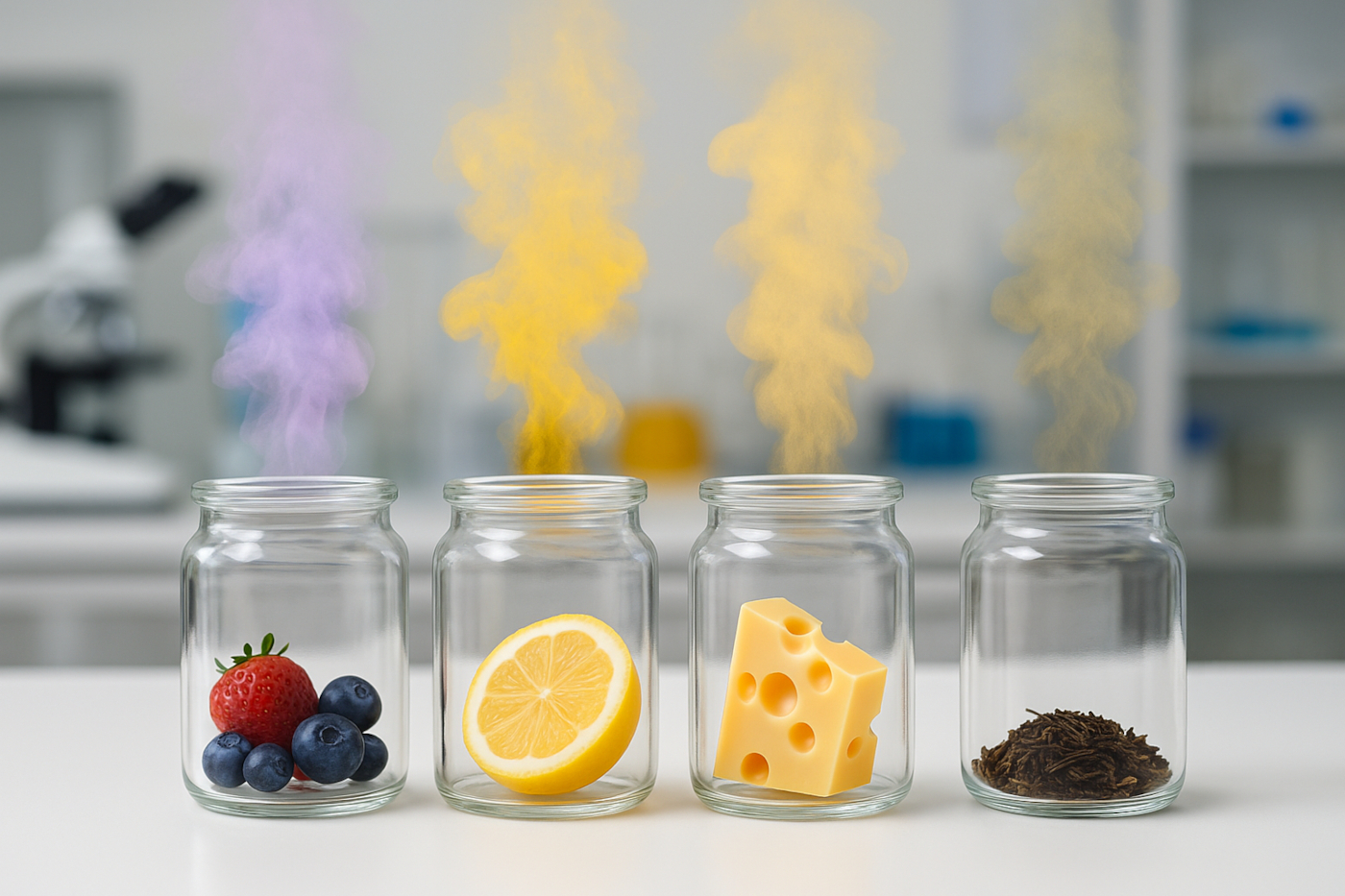
Additionally, four distinct aroma profiles emerged from the research:
- Fruit, berry, candy.
- Citrus and chemical.
- Cheesy and vomit/fecal.
- Funky, earthy, musty, straw, fuel, black tea, woody, and nutty/toasted.
The first three predominately were associated with hemp samples and the fourth was mostly related to cannabis. The scientists believe the profiles will evolve with more research.
How standardized aroma language could reshape the industry
The researchers also studied terpenes and volatile sulfur compounds in hemp and cannabis and found neither strongly predicted sensory perception. This is important, the researchers noted, because in the hemp and cannabis industry specific aromas often are mistakenly associated with specific terpenes.
“As the cannabis industry transitions from unregulated to legal frameworks, it’s critical to offer consumers tools for assessing product quality beyond terpenes and THC,” Shellhammer said. “This work begins to lay the foundation for that.”
Related Articles: