


“I think we’re bleeding money.” I was sitting in a meeting with one of our executives when I said those words.
The response came quickly: “The business is healthy.”
We weren’t having the same conversation. They were talking about the profit-and-loss statements. I was talking about people.
For nearly 20 years, I’ve worked in human resources (HR) across multiple industries. Somewhere along the way, I realized HR professionals are trained to see businesses differently. We see patterns. We see bottlenecks. We see leadership gaps. We see talented employees spending time fixing preventable problems instead of creating value.
Most of those things never appear on a financial statement. But every single one of them costs the business money. When a manager spends half their day answering questions because expectations were never made clear, that’s a cost. When three people touch the same task because no one truly owns it, that’s a cost. When a high performer spends more time correcting mistakes than doing the work they were hired to do, that’s a cost. When turnover becomes “just part of the business,” that’s a cost. When poor communication creates rework, delays, frustration, or customer issues, that’s also a cost.
The interesting part is that every department gives these problems a different name. HR calls them engagement. Operations calls them inefficiency. Finance sees rising costs. Leaders call them growing pains. They’re all describing the same thing: people systems.
That’s why I’ve never understood the idea that HR is simply a support function. HR is a business function. Not because we administer payroll or write policies, but because businesses run through people.
Every operational decision eventually lands on someone’s desk. Every strategy depends on someone executing it. Every customer experience is delivered by someone. Every process succeeds or fails because people either understand it, own it, or don’t.
When those systems break down, the symptoms show up everywhere. Missed deadlines. Turnover. Poor customer experiences. Lower productivity. Frustrated leaders. Declining performance.
Too often, organizations respond by treating the symptom. Another meeting, another policy, another training, another layer of approval. But if HR doesn’t understand the business well enough to identify why those problems exist in the first place, we’re not solving business problems. We’re treating symptoms.
I believe that’s where the future of HR is headed. Not away from people. Toward business. Not because HR should become less human, but because the better we understand how businesses actually operate, the better we can design solutions that work for both the organization and the people inside it.
The best HR professionals understand that what’s best for employees and what’s best for the business won’t always align neatly. They know the business deeply enough to look for solutions that serve both. That requires business acumen. It requires curiosity. It requires asking operational questions instead of only HR questions. Because once you understand how the business actually works, something interesting happens.
You stop seeing HR issues. You start seeing business problems that happen to involve people. That’s what I was trying to explain in that meeting. We weren’t bleeding money because the financials were bad. We were bleeding opportunities through the way work was happening.
The financial statements just hadn’t caught up yet.
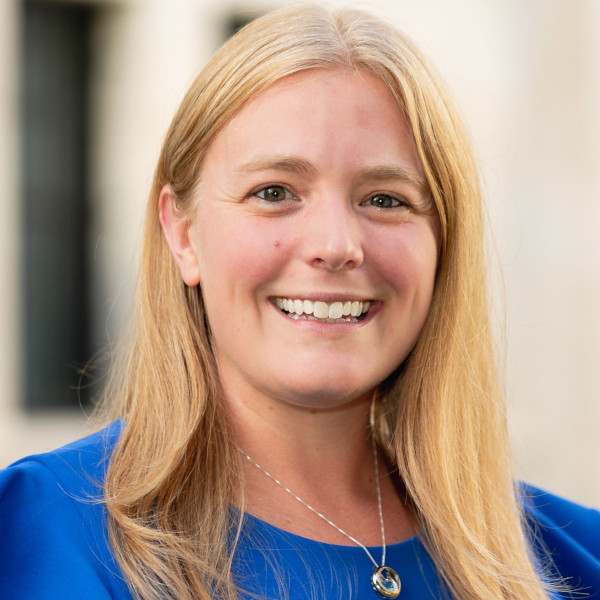
Claire Lizear is an SHRM-SCP-certified human resources executive with nearly 20 years of experience helping organizations navigate growth, build strong foundations, and create cultures rooted in accountability. After leading HR across several industries at companies including Mars United Commerce, Kaya, Earnest, and Vectorform, she now serves as human resources director at Mango Cannabis Co.