
Key takeaways
- Traditional 60/60 drying often creates environmental swings because HVAC systems “chase” setpoints.
- Water activity (aw), not just relative humidity, is the controllable target for stability.
- Vapor pressure stability helps reduce over-drying, preserving sellable weight and consistency across batches.
- Trichomes are fragile; fewer fluctuations supports terpene retention and shelf appeal.
- Scalable workflows separate curing from long-term storage to protect quality while increasing throughput.
Cultivators obsess over genetics, nutrients, and environmental controls throughout the growing cycle. But for years, the industry treated post-harvest processes as an afterthought, relying on inherited techniques like the “60/60” drying method or advice passed down from mentors and legacy growers. According to Cannatrol Executive Vice President of Marketing Chris Mapson, that disconnect has cost growers more than they realize.
“You can spend all the time you want growing amazing cannabis, but if you don’t dry and cure correctly, you waste a lot of that effort,” he said.
Cannatrol focuses on bringing scientific rigor to one of the most fragile stages of production. The company’s approach reframes drying, curing, and storage not as an arcane art but as a controlled, repeatable process rooted in vapor pressure control. A technology that has already proven effective in food production for aging meat and cheese.
Why 60/60 struggles at commercial scale
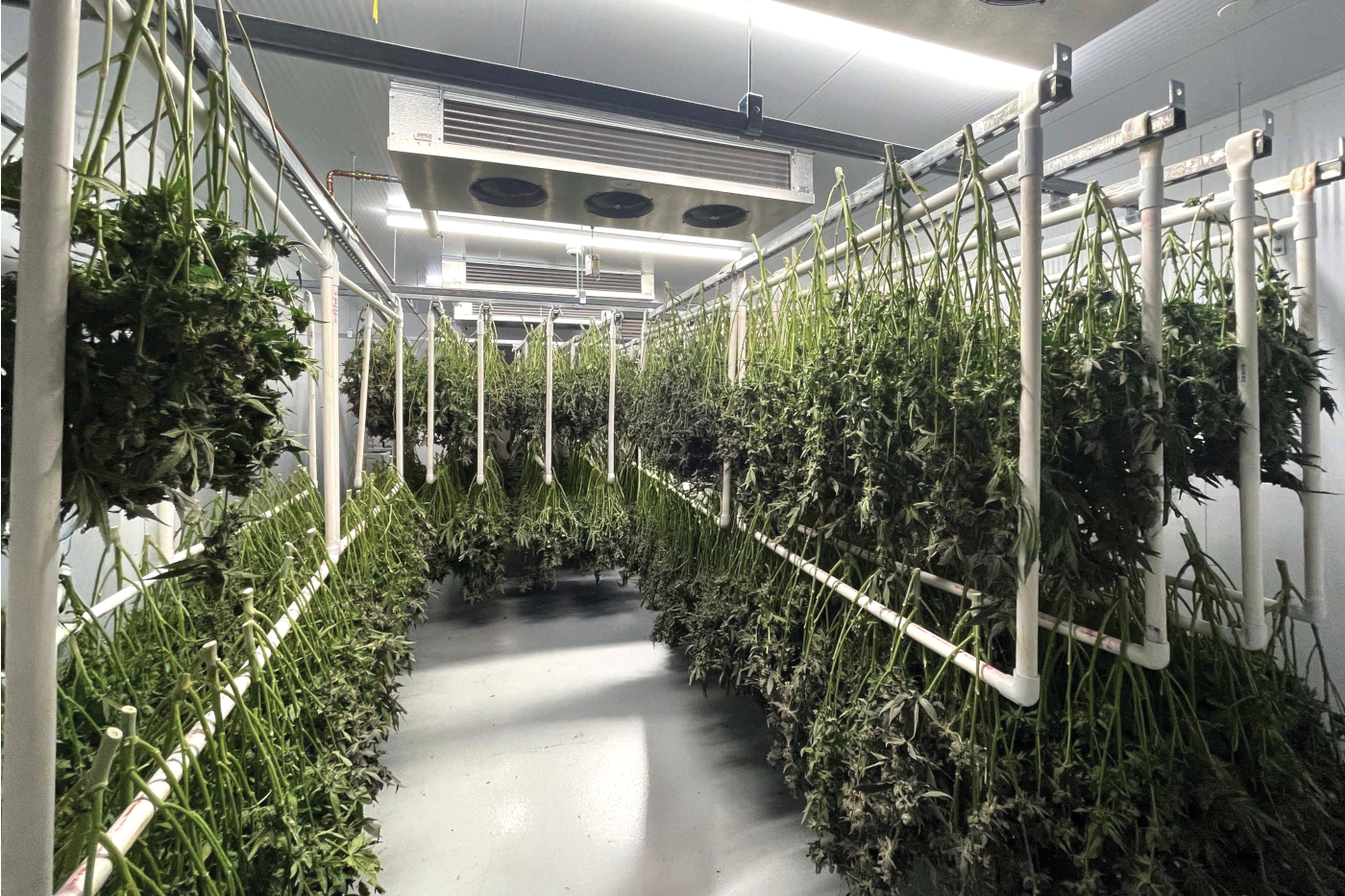
In an attempt to control relative humidity, traditional drying rooms rely on a constantly cycling system of air conditioning, humidifiers, and dehumidifiers, resulting in environmental fluctuations. While the swings may seem minor, they can have outsized effects on plant material at the cellular level.
Instead of chasing relative humidity (RH), Cannatrol’s patented Vaportrol® technology focuses on controlling water activity (aw) by stabilizing vapor pressure inside the environment.
Beyond RH: stabilize vapor pressure to control water activity
“The use of traditional methods makes stabilizing the environment very difficult,” Mapson said. “Traditional HVAC environmental controls are constantly cycling on and off chasing setpoints. This causes fluctuations in the environment and leads to overdrying whereas Vaportrol stabilizes the internal environment.”
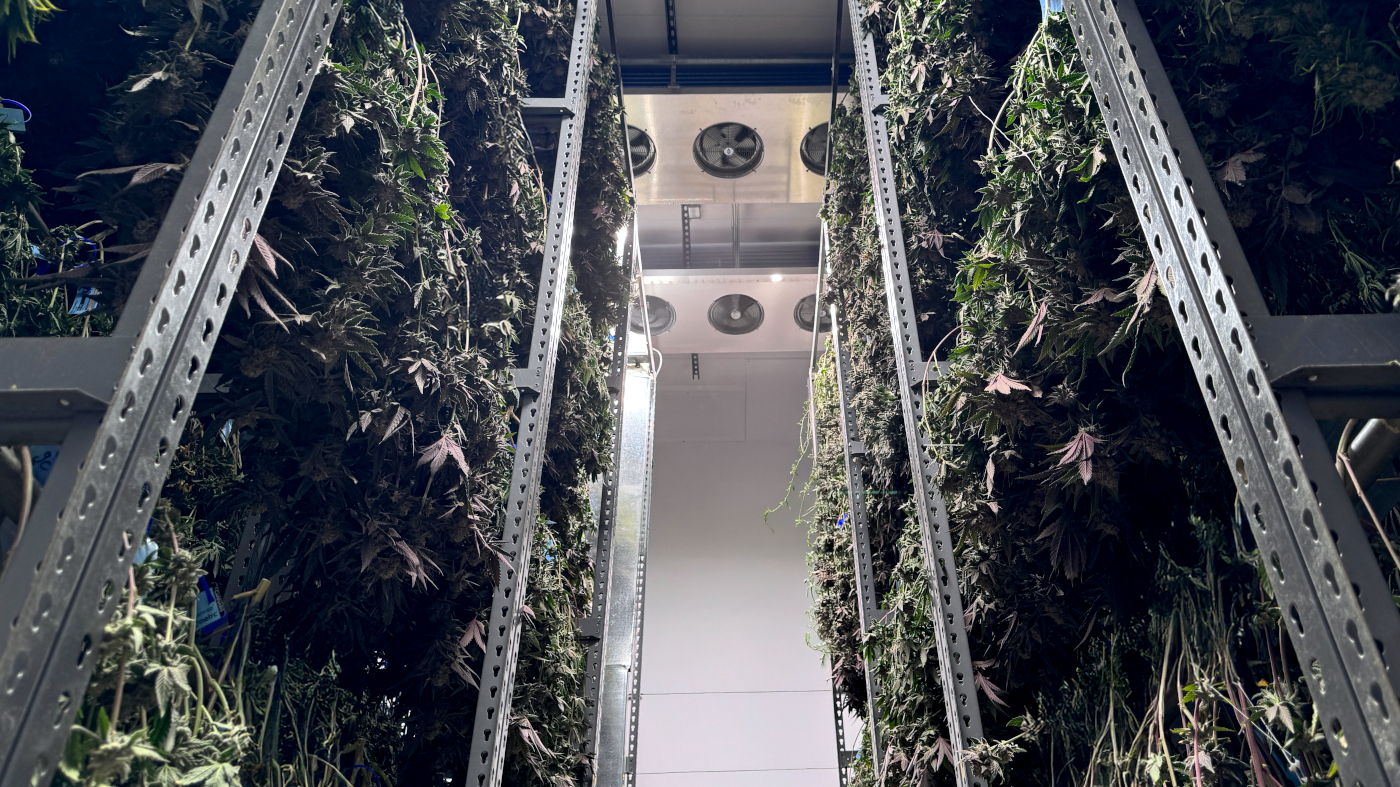
Cannatrol systems help prevent over-drying and unnecessary weight loss by carefully managing the drying and curing process. This lets cultivators keep more sellable product from each harvest. The result is a consistent environment that minimizes stress on the plant material during drying, curing, and storage. This is especially effective at commercial scale, where variability can mean serious losses of product and profitability across batches.
Protecting trichomes means protecting terpenes
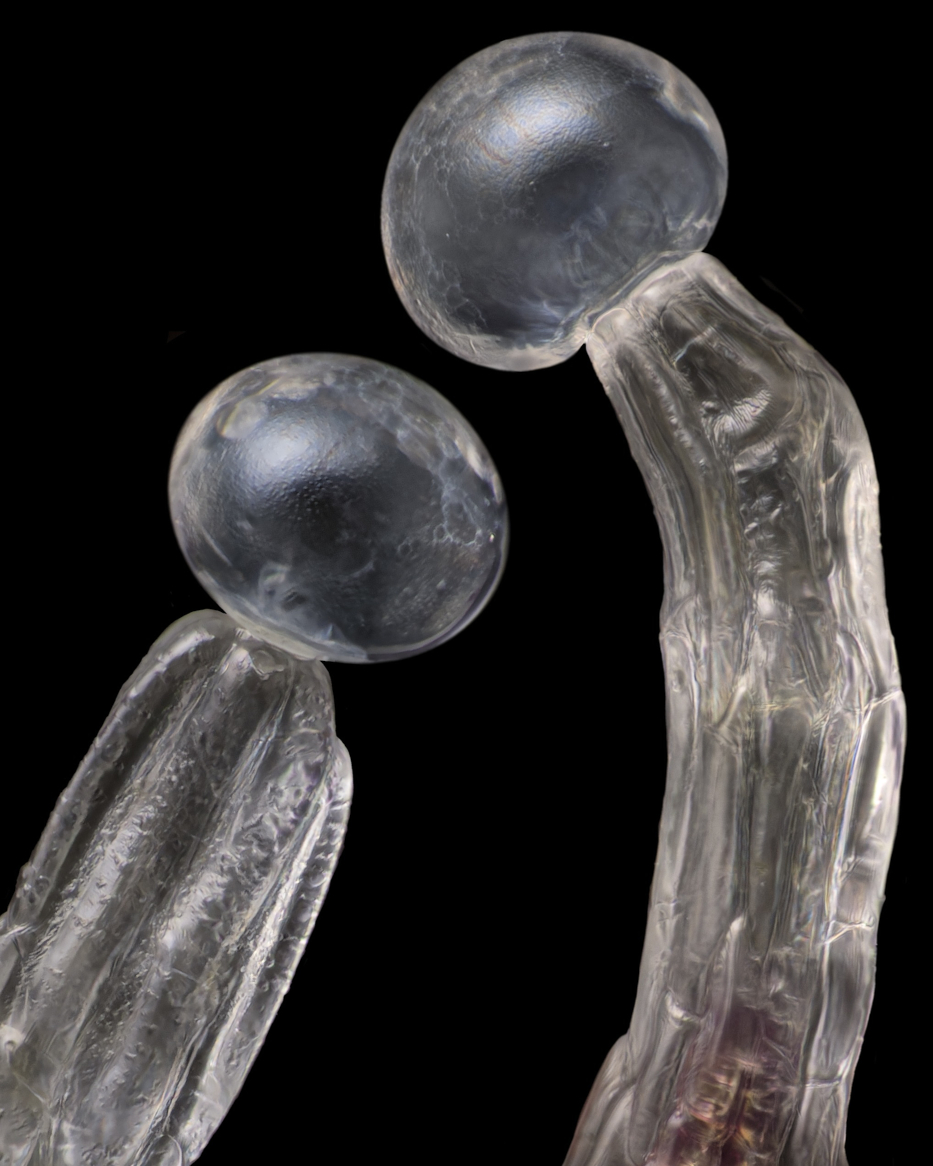
Environmental fluctuations matter, because trichomes are far more delicate than many growers realize. In unstable environments, trichomes repeatedly expand and contract as vapor pressure shifts.
“Think of a rubber band or balloon,” Mapson said. “The more you stretch it, the more likely it is to break. It’s the same with traditional HVAC environments in cannabis where vapor pressure is not controlled. Controlling vapor pressure stabilizes [the environment in the space], so the trichomes have the opportunity to form a cuticle for a hardened, protective shell. Consequently, terpene loss is significantly reduced.”
What lab results suggest about damage and retention
Cannatrol’s Vaportrol-powered systems have been independently validated through lab testing, and scientific review. Tests indicate the technology results in up to 28 percent less trichome damage and on average 16 percent higher terpene retention compared to traditional methods, he added.
The benefits go beyond preservation. Consistency becomes scalable, and for operators supplying demanding wholesale or medical markets, repeatability can be the difference between premium pricing and potential product remediation.
Automation that reduces guesswork and labor
Cannatrol’s systems are designed to be low-maintenance, even while delivering precise control. Burping jars are not required, and there’s no need for constant environmental tinkering or guesswork. Operators can dial in parameters and rely on the system to hold steady.
For commercial facilities, Cannatrol recommends separating curing and long-term storage. This workflow allows facilities to scale without overcrowding systems or compromising quality.
The science of success: bridging the post-harvest educational gap
Mapson is candid about the industry’s biggest hurdle: education. The state-legal industry is still young, and much of its operational knowledge has been inherited informally rather than built on data.
“We’ve been controlling vapor pressure for more than twenty years in other industries,” he said. Cannatrol’s patented Vaportrol Technology was invented by company co-founder David Sandelman and first gained wide acceptance in the meat-aging and cheesemaking industries. “So, applying it to cannabis isn’t about inventing something new. It’s about education. You don’t know what you don’t know.”
That educational gap is especially pronounced in post-harvest processing, where mistakes aren’t always immediately visible but quietly erode product value over time.
For Mapson, the impact of Cannatrol became real during an early commercial installation visit. He watched a grower grasp the science behind vapor pressure control, then returned weeks later to see the results firsthand.
“I was newer to the company at the time, and I remember seeing that ‘aha’ moment in the grower — when education crossed the line into ‘he gets it,’” he said. “I visited a few weeks later, and that was the only product he’d consume now: something that came through the Cannatrol system.”
The future of cultivation: standardizing quality in a regulated market
As conversations around federal rescheduling and medical normalization continue, commercial cannabis is moving toward higher standards, tighter controls, and greater accountability. Post-harvest processing is no longer a place for improvisation.
For operators looking to protect margins, elevate quality, and deliver consistency at scale, vapor pressure control represents a clear evolutionary step. Once growers understand what’s happening at the microscopic level, the decision becomes less about innovation and more about inevitability.
What growers are asking about water activity and vapor pressure control
What is water activity (aw), and why does it matter in curing?
Water activity describes how “available” water is in the flower for reactions and microbial growth. Stabilizing aw helps preserve quality and consistency.
Why isn’t relative humidity enough to control drying outcomes?
Relative humidity (RH) can look “correct” while the environment still swings due to equipment cycling. Those swings can stress plant material and contribute to overdrying.
What’s the problem with traditional 60/60 drying?
In many facilities, maintaining stable conditions is difficult because HVAC, humidifiers, and dehumidifiers cycle on/off chasing setpoints, which creates fluctuations.
How does vapor pressure relate to trichome integrity?
When vapor pressure shifts repeatedly, trichomes can expand/contract. A more stable environment can reduce stress on these delicate structures.
Does post-harvest stability really affect terpene retention?
Stability can reduce avoidable loss during drying/curing by minimizing stress and preserving aromatic compounds tied to trichome condition.
How do you scale curing without sacrificing consistency?
Many facilities separate curing from long-term storage so systems aren’t overcrowded and parameters remain repeatable batch to batch.
Is post-harvest “automation” only for large operators?
Not necessarily. Repeatability and reduced labor/guesswork can benefit smaller teams too, especially when consistency drives brand value.
What’s the biggest post-harvest mistake growers make?
Treating drying and curing like a feel-based craft instead of a controlled process. Problems may not show up immediately but can erode value over time.