

Key takeaways
- Rescheduling will accelerate FDA-style oversight and GMP expectations, making informal, intuition-driven operations far riskier.
- Sensor-driven cultivation environments and automated controls improve consistency, yield, and product quality while generating auditable data trails.
- Digitized post-harvest, processing, and manufacturing workflows reduce recalls, waste, and human error by embedding compliance into daily operations.
- Sales and margin data help operators optimize product portfolios, retiring low-performing SKUs and backing winners with real demand.
- Advanced analytics and integrated systems protect margins by revealing inefficiencies and supporting smarter capital and labor allocation.
- The time to assess tech stacks, close compliance gaps, and invest in scalable, audit-ready platforms is before rescheduling takes effect — not after.
For much of its modern history, the cannabis industry has operated on intuition. Early success was driven by experience, trial and error, and a willingness to improvise around regulatory gray areas and operational constraints. That approach worked when the industry was smaller, less scrutinized, and more forgiving of inconsistency. Today, that era is coming to an end.
As rescheduling moves closer to reality, cannabis is approaching a true maturation moment defined not just by policy change, but also by technology. Rescheduling represents a fundamental shift from intuition-driven operations to infrastructure-driven businesses, where data, control, and compliance are no longer optional but essential.
Rescheduling will change the tech equation
Rescheduling signals far more than a change in tax treatment or federal posture. It points toward increased regulatory oversight, including the likelihood of Food and Drug Administration (FDA) involvement and heightened expectations around Good Manufacturing Practices (GMP). Under those conditions, informal processes like manual recordkeeping and institutional “tribal knowledge” will not survive.
As standards tighten, the cost of inefficiency, inconsistency, and compliance failures rises sharply. Errors that once resulted in minor setbacks quickly can become recalls, enforcement actions, or reputational damage. In this environment, technology is no longer just a growth investment. It becomes a risk-mitigation tool. Operators who continue to rely on spreadsheets, handwritten logs, or disconnected systems will find themselves at a structural disadvantage. Businesses that invest in integrated, auditable systems will be better positioned to scale, comply, and compete. As a bonus, once rescheduling is complete, the cost of capital equipment will be deductible as a business expense over the item’s useful life.
Cultivation technology offers precision over guesswork
Nowhere is this technology shift more apparent than in cultivation. Historically, many grows have relied on the instincts of master cultivators to manage variables like light, nutrients, temperature, humidity, and airflow. While expertise remains important and relevant, rescheduling will demand a higher level of consistency and documentation across every stage of the cultivation life cycle.
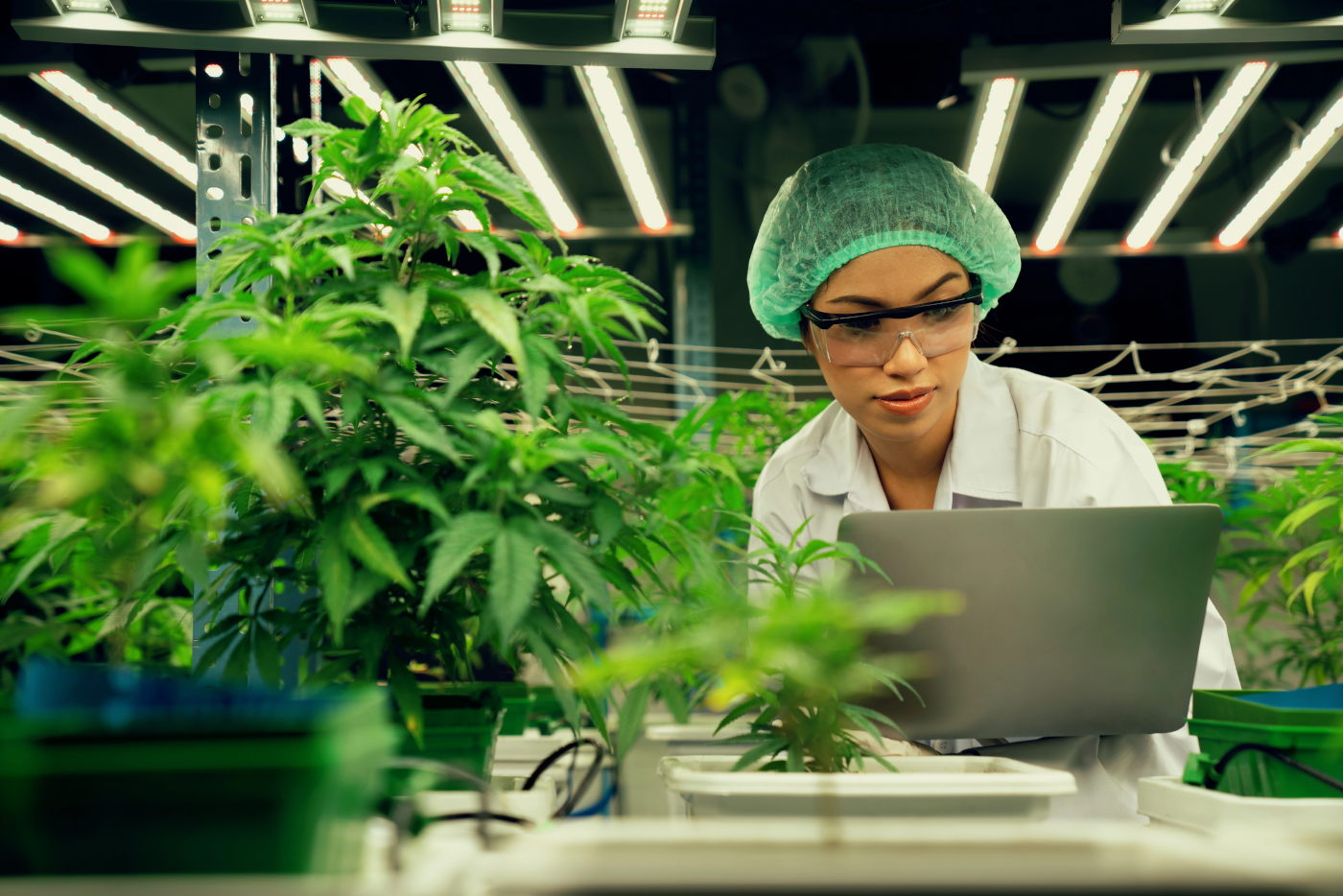
Sensor-driven, data-enabled cultivation environments are becoming the new standard in everything from grow rooms to drying, curing, and storage. Real-time environmental monitoring and automated controls allow operators to fine-tune conditions with a level of precision intuition alone cannot deliver. The payoff in predictable yields, reduced operational risk, and consistent cannabinoid and terpene profiles is significant. Even better, automated systems create repeatable, auditable processes that stand up to regulatory scrutiny.
Cannabis is moving from “craft intuition” to industrial-grade repeatability.
Processing and manufacturing: GMP-ready by design
The shift toward GMP compliance will place even greater pressure on processing and manufacturing operations. Automation and digital systems are becoming foundational to standardized workflows, ensuring every batch follows the same validated procedures. Modern manufacturing platforms enable end-to-end batch tracking, deviation reporting, and documentation readiness. These capabilities are essential under FDA-style oversight. When every step is logged, monitored, and timestamped, operators can identify issues early, respond quickly, and demonstrate control during audits.
Systemization also reduces recalls, waste, and human error. Rather than relying on manual checks and individual judgment, tech-enabled facilities embed compliance into daily operations. The result is not just regulatory readiness, but also improved efficiency and product quality.
Use data to optimize your product portfolio
The benefits of technology extend well beyond compliance. They directly affect product quality and the customer experience. Perfecting cultivation workflows leads to more consistent, repeatable outcomes, which translates into reliable products that meet customer expectations every time.
At the retail level, data from sales, margins, and consumer behavior increasingly is used to refine product portfolios. Operators can identify which strains, formats, and formulations perform best and which drain resources without delivering returns. This data-driven approach allows brands to align innovation with measurable demand. Instead of guessing which SKUs to launch or retire, companies can make informed decisions that improve profitability while delivering products consumers actually want.
Use technology as a margin protector
For cultivators, the financial stakes of rescheduling are particularly high. While tax relief may improve cash flow, new compliance requirements will introduce additional costs. Technology plays a critical role in protecting margins under these conditions.
Automated systems help reduce labor dependency, minimize waste, and improve yield efficiency. Advanced analytics enable operators to pinpoint inefficiencies and correct them before they impact the bottom line. In an increasingly competitive market, data-driven decision-making becomes a core competitive advantage.
The gap between tech-enabled and tech-resistant growers is already widening. As rescheduling accelerates industry consolidation, those without modern infrastructure may struggle to survive, let alone scale.
What operators should do now
The worst possible response to potential rescheduling is waiting until a decision is made. Operators should be assessing their current technology stacks and operational maturity today, well before mandates turn into enforcement actions. Key priorities include identifying compliance gaps, integrating disconnected systems, and investing in platforms that support scalability and audit readiness. Building an organization that can withstand regulatory scrutiny requires proactive planning rather than reactive fixes. Those who invest early will have more flexibility, better data, and stronger negotiating positions as the industry evolves.
Rescheduling represents the final push toward operational adulthood for the cannabis industry. Guesswork, workarounds, and informal systems are giving way to control, transparency, and accountability. Cannabis is entering a phase where technology is no longer just a tool, but foundational infrastructure. The future belongs to operators who recognize this reality — and act on it.
Answers to growers’ biggest rescheduling questions
How will federal rescheduling change life for cannabis cultivators?
Rescheduling is likely to bring FDA-style oversight, tighter GMP expectations, and far more scrutiny of records and processes. That means intuition, handwritten logs, and scattered spreadsheets won’t be enough. Growers will need repeatable, documented workflows and systems that can stand up to audits and enforcement actions.
Why is technology so important in a post-rescheduling environment?
Technology turns compliance from a manual chore into a built-in feature of daily operations. Integrated platforms can track batches, monitor environments, log deviations, and generate reports automatically. This reduces human error, speeds investigations when something goes wrong, and shows regulators that you’re in control of your facility and your product.
What cultivation tech should growers prioritize first?
Sensor-driven environmental controls are a high-impact starting point. Systems that monitor temperature, humidity, airflow, and other variables in real time — and automatically adjust them — deliver more consistent yields and cannabinoid/terpene profiles. They also create a data record that proves you’re managing critical control points rather than “winging it.”
How can data improve our product portfolio and margins?
Sales and margin data reveal which strains, product formats, and formulations actually perform. Instead of guessing which SKUs to retire or expand, you can make decisions based on contribution margin, velocity, and customer preferences. Over time, a data-driven portfolio trims underperformers, backs winners, and protects profitability in a more competitive, consolidated market.
What should operators be doing now to prepare for rescheduling?
Don’t wait for a final rule. Start with a tech and process audit: Where are the compliance gaps? Which records are still manual? Where are systems disconnected? Then prioritize investments in platforms that unify data, support GMP-style workflows, and make audits less painful. Early movers will be better positioned to negotiate, scale, and survive industry consolidation.

David Sandelman is co-founder, chief operating officer, and chief technology officer at Cannatrol, a drying, curing, and post-harvest storage system. He invented and patented Vaportrol® technology, a system that controls water loss by regulating vapor pressure to ensure the correct final water activity, which is crucial for terpene preservation, maximized potency, increased yield, and premium quality.