

There was a time when I did not tell people what I did for a living. I especially did not want my kids to have to explain it. If I smelled like cannabis, I felt the judgment. I felt the hesitation. I felt the questions that did not get asked out loud. That kind of weight stays with you.
And when you are a mom, it hits differently. You are not just thinking about yourself. You are also thinking about your kids. What they will hear. What they will carry. What they will say when someone asks what their parents do.
The weight of hidden worlds
For a long time, I tried to keep those worlds separate. Work over here. Family over there.
That does not work.
At some point, you realize everything is connected. Your work, your home, your community. You cannot show up one way in one place and differently somewhere else and expect it to hold.
So I made a different decision. I stopped hiding.
That meant having real conversations with my kids. It meant being honest about what cannabis is and what it is not. It meant being willing to stand for my beliefs and my profession, even when it was uncomfortable.
That decision changed how I think about this industry.
For a lot of women, especially mothers, cannabis is not just a business story. It is a story of stigma. For many, it is a story of harm. We cannot ignore that.
The legacy of prohibition on mothers
Since the 1980s, the number of incarcerated women in the United States has increased by more than 600 percent. Much of that growth has been tied to nonviolent drug offenses. More than half of those women are mothers. Many were the primary caregivers before they were jailed. According to the Bureau of Justice Statistics and The Sentencing Project, mothers are two to three times more likely than fathers to be the primary caregiver before incarceration.
When a woman is pulled into the system, it does not affect just her. It also affects her children, her household, and her future. That is where the shame runs deeper.
Women are judged differently — especially mothers.
A man working in cannabis might be seen as taking a risk. A woman, especially a mother, often is seen as making a bad decision. That double standard has been reinforced for decades through policy and perception. We have seen laws that criminalize substance use during pregnancy. Systems that separate mothers from their children. Barriers to housing, employment, and stability that follow women long after a conviction.
Even now, those consequences do not disappear just because cannabis is legal in many states.
This industry is growing. It is creating opportunity. But it is also built on top of a system that harmed a lot of women. If we ignore that history, we are not building a new industry. We are repeating an old one with better margins.

So the question becomes “What we do with that?”
For me, this is not abstract. It is personal.
I think about the women who never had the chance to be part of this industry because of past convictions. I think about mothers who lost time with their kids because of policies that treated addiction as a crime instead of a health issue. I think about what it means for my kids to grow up watching me build a company in this space.
What do I want them to take from that?
I do not want them to feel shame. I want them to understand responsibility. Responsibility to do things the right way. Responsibility to be transparent. Responsibility to acknowledge where this industry came from.
Replacing secrecy with responsibility
Early on, we made a decision to bring people in instead of hiding what we were doing. We invited our community into our facilities. We showed them how we grow, how we operate and how the product is made from start to finish.
That matters.
When people understand something, it becomes less abstract. Less stigmatized. More real. But transparency alone is not enough.
There also has to be repair.
That means supporting expungement. Creating real access for people who were excluded. Investing in communities that were most impacted by prohibition. It also means being honest about where the industry still falls short.
Inside our own companies, culture plays a role here too. The way we lead. The way we treat people. The standards we set. If we say we are building something better, that has to show up in how we operate every day.
For me, it comes back to something simple: Do what you say you are going to do. Show people who you are through your actions.
That is how I try to lead. It is how I try to parent.
A new standard for the next generation
This Mother’s Day, I think about how far this industry has come, but I also think about the women who carried the weight of it before it was accepted. We owe them more than acknowledgment. We owe them a better system.
Because this is not just about building companies. It is about building something our kids do not have to feel conflicted about. It is about making sure the next generation does not inherit the same stigma.
And for me, as a mom, that is the standard we should be building toward.
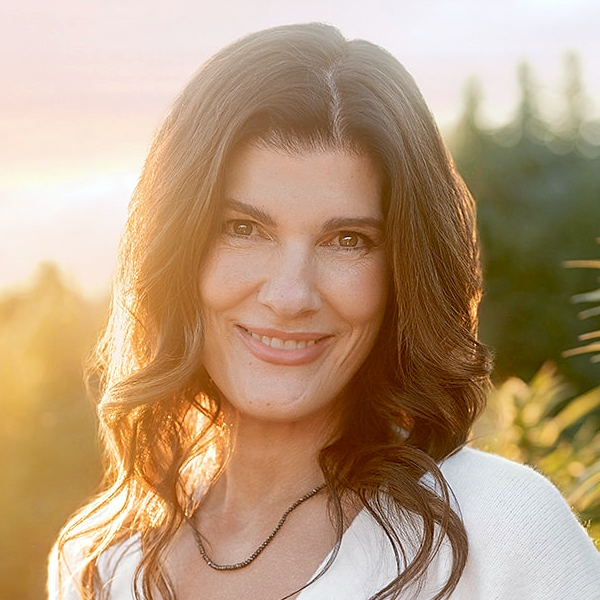
Sarah Strickler is co-founder and chief community officer of Grown Rogue International Inc., a publicly traded, flower-focused cannabis company headquartered in Oregon. Since co-founding the company in 2016, she has helped scale the business into a multistate platform built on disciplined execution, strong culture, and consistent product quality. She focuses on team development, community integration, and maintaining operational standards in complex markets.