

WASHINGTON – A new lawsuit is the clearest test yet of how durable federal cannabis rescheduling will be.
- Operational status: Medical marijuana products and FDA-approved cannabis remain on Schedule III unless a court issues a formal stay.
- The legal hook: Challengers are targeting the Administrative Procedure Act, claiming the Trump administration bypassed required statutory steps.
- Immediate risk: Low. The lawsuit is a “warning shot” that creates uncertainty but doesn’t immediately reverse the current tax and research benefits for medical operators.
- The timing risk: Moderate. Litigation may spook banks and ancillary services and could delay the rollout of broader federal relief.
- Critical dates: Watch for a potential court injunction, which could affect the June 29 DEA hearing on adult-use rescheduling.
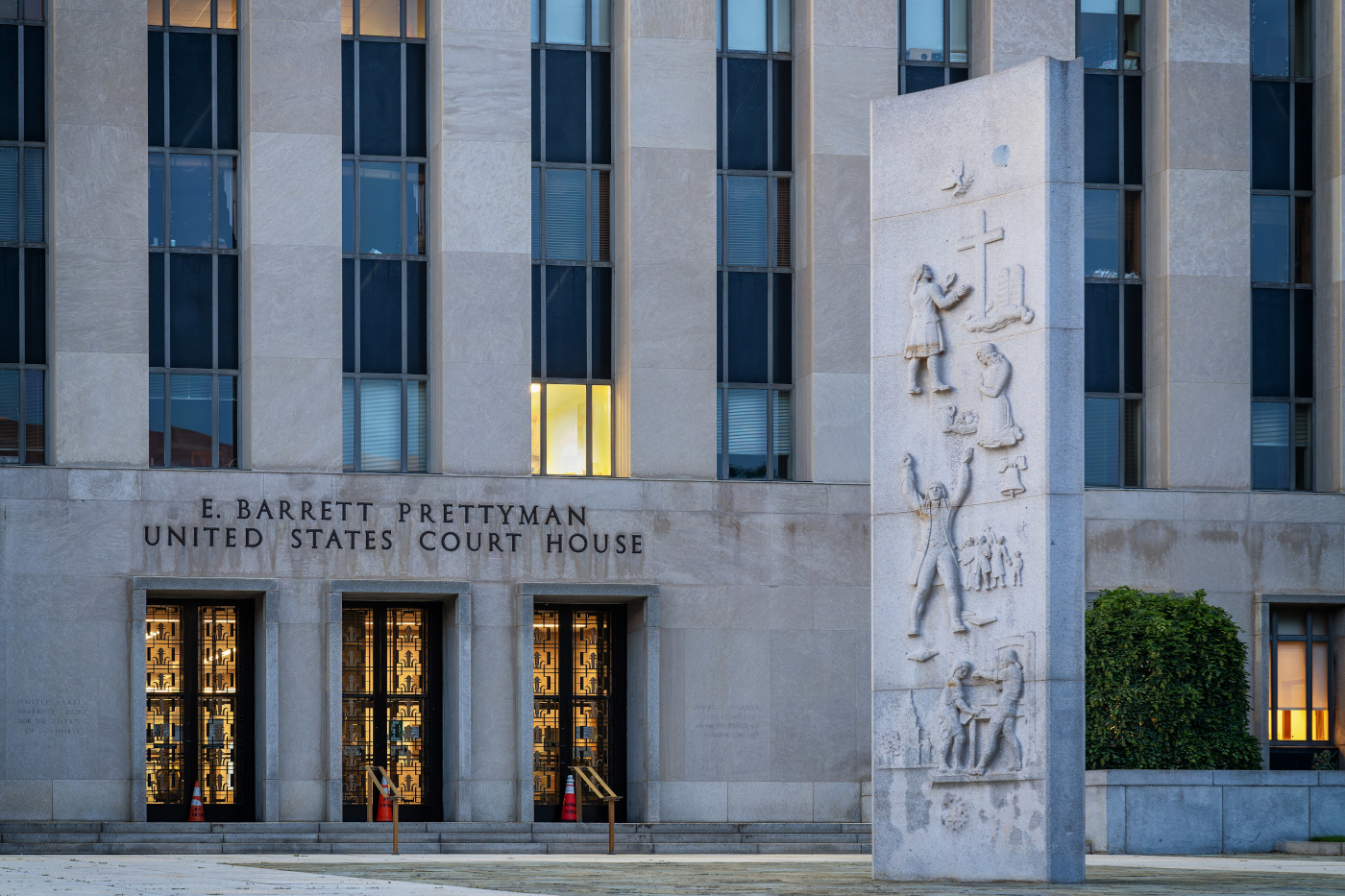
On May 5, prohibitionist group Smart Approaches to Marijuana (SAM) and the National Drug and Alcohol Screening Association (NDASA) asked the U.S. Court of Appeals for the D.C. Circuit to review and set aside the Trump administration’s rescheduling order. That order, issued by Acting Attorney General Todd Blanche on April 23 and published in the Federal Register on April 28, immediately moved marijuana products approved by the Food and Drug Administration and products subject to state medical marijuana licenses from Schedule I to Schedule III.
The challengers’ core argument, put forth in a brief, two-page petition, is procedural and statutory.
“The AG Rescheduling Order violates the rulemaking requirements of the Administrative Procedure Act, 5 U.S.C. §§ 551 to 559, and section 201 of the CSA [Controlled Substances Act], 21 U.S.C. § 811, exceeds the statutory authority of the Attorney General under the CSA, and is otherwise arbitrary and capricious and not in accordance with law,” the petition claims.
The suit names the Department of Justice, the Drug Enforcement Administration, Blanche, and DEA Administrator Terrance Cole as respondents. SAM and NDASA ask the court to “review and set aside the order in whole.”
The lawsuit is not the first time SAM has attempted to interfere with the legal cannabis industry. In 2017, during the first Trump administration, the organization issued a report urging then-Attorney General Jeff Sessions to take action against licensed businesses. “This industry — starting from the top — should be systematically shut down,” SAM President and Chief Executive Officer Kevin Sabet said at the time.
Then, in mid-2024, SAM attempted to delay the rescheduling process already in progress while the organization gathered evidence to support its allegation that the Department of Health and Human Services “ignored” scientific evidence of cannabis harm when the department recommended cannabis be rescheduled. The organization also pledged to file legal challenges if cannabis were moved any lower on the CSA scale than Schedule II.
Medical vs. adult-use: diverging impact of the challenge
For dispensaries, brands, and multi-state operators, the first practical takeaway is what the lawsuit does not do. Filing a petition for review does not erase the April 23 order. Unless the court separately enjoins the order or grants other emergency relief, the rescheduling rule remains in effect while the case moves forward. In other words, the suit creates uncertainty, but not an instant reset.
That distinction is important, because the federal government’s April action was already narrower than many operators hoped it would be. The final rule did not broadly legalize cannabis, or even move all cannabis products from Schedule I (the most restrictive category) to Schedule III. Adult-use products remain classified on Schedule I beside “hard drugs” like heroin, LSD, and ecstasy. However, hope remains that DEA may reconsider adult-use cannabis’s status. As part of the April 23 order, Blanche also ordered DEA to conduct a separate expedited administrative hearing process for broader rescheduling. That hearing is scheduled to begin June 29.
For medical operators, the April rule matters now because it is already effective and because Schedule III treatment impacts tax, research, and federal registration. But even there, companies should be cautious. The order did not authorize interstate cannabis commerce and did not clarify how DEA registration, Treasury tax administration, and state licensing rules will interact in practice.
For adult-use dispensaries and brands, the immediate effect is even more limited. The broader move of marijuana from Schedule I to Schedule III is still in a separate rulemaking track. DEA’s new hearing notice makes clear that broader rescheduling remains pending, with the agency reopening the hearing process after withdrawing the proceeding begun in 2024 under the Biden administration. That means many adult-use operators are still waiting on a later federal step before any broader benefit becomes real.
The credibility gap: how litigation stalls ancillary support
The lawsuit, then, creates two different kinds of risk.
The first is immediate legal risk, which for now appears limited. The case asks the D.C. Circuit to set aside the April 23 order, but operators should watch for any stay or early court action that would suspend the rule before the merits are decided. Absent that, the filing is more of a warning shot than an operational issue.
The second is timing risk, which is more significant. Even if the April order survives the first round of litigation, the challenge could slow confidence, complicate agency follow-through, and make banks, tax advisers, landlords, and counterparties more cautious about treating rescheduling benefits as settled. It could also further blur the timeline for when broader, non-medical cannabis businesses might see meaningful federal relief.
Strategic watchlist: court injunctions and the June 29 hearing
For now, realistic operator expectations should stay modest.
Medical-license holders should treat the April order as legally meaningful but still operationally incomplete. Adult-use operators should not assume the lawsuit suddenly changes their status, but they also should not book near-term federal upside as if litigation were a nonissue. And everyone in the sector should watch for two things: Whether the D.C. Circuit stays the rescheduling order and whether DEA’s June 29 hearing stays on schedule.