

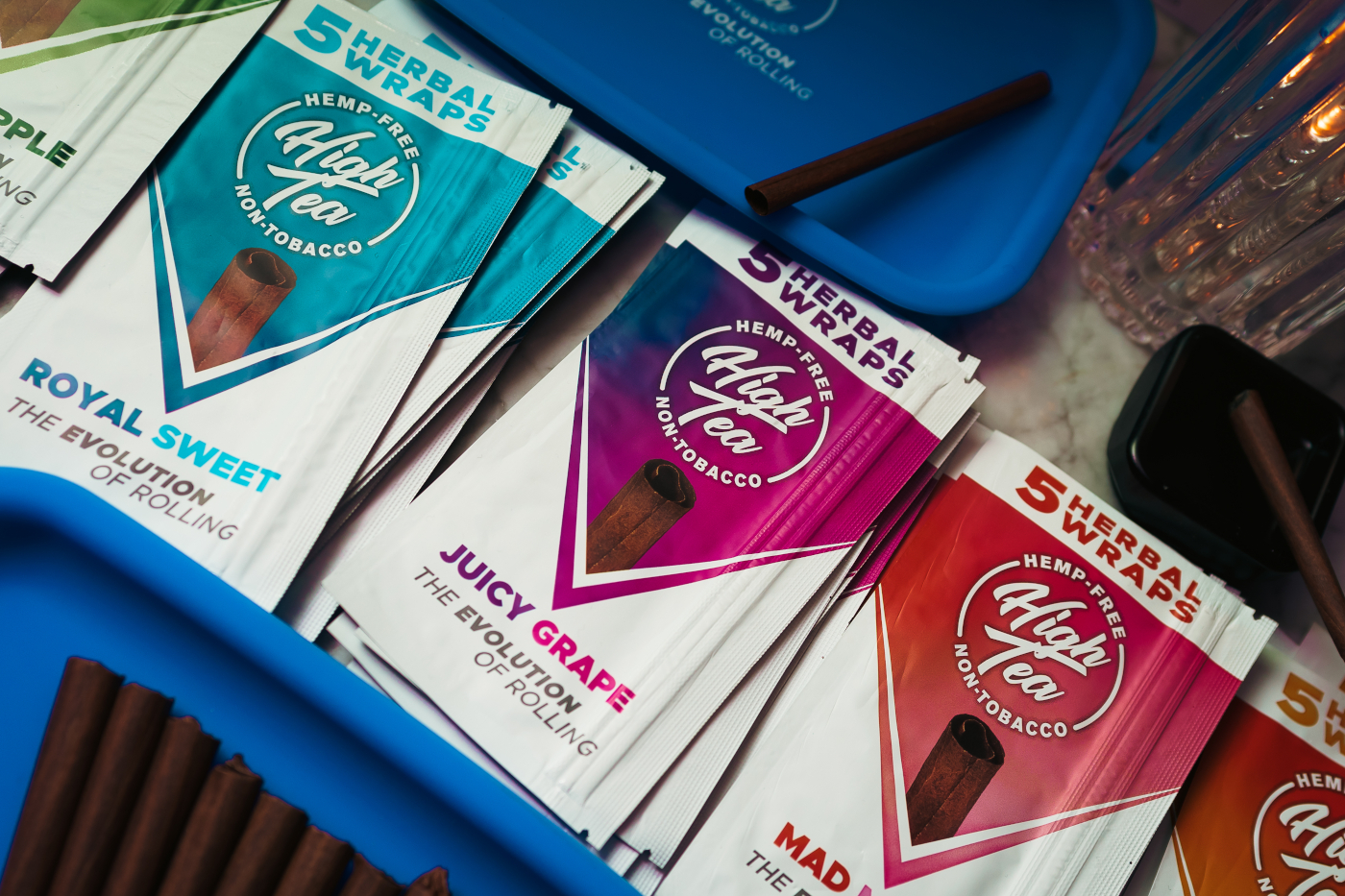
Not long ago, the blunt wrap was essentially a disguise. Cannabis had a reputation — skunky, pungent, an acquired taste — and wraps soaked in syrup and tobacco were how you made it palatable to the uninitiated. Your uncle’s grape wrap from the 1990s wasn’t about flavor. It was about cover.
That calculus has flipped entirely.
- Accessory friction is a loyalty leak: When customers have to leave to buy wraps and papers, you risk losing the rest of the basket—and the repeat visit.
- Tobacco licensing rules can block easy add-on revenue: In many markets, selling tobacco wraps is a separate compliance headache that keeps dispensaries out of a high-demand category.
- Today’s consumer wants terpene-compatible rituals: Shoppers increasingly reject tobacco and “candy” flavors that mask flower, preferring lighter, complementary options.
- Wraps can be a high-margin, low-lift add-on: Accessories often deliver strong margins and predictable attachment when merchandised near flower and pre-rolls.
- Merchandising and staff scripting drive conversion: Pairing cues (“match the wrap to the strain”) and quick budtender talking points outperform a passive shelf display.
Today’s cannabis consumer is intentional, educated, and increasingly particular. Growers now produce plants with remarkable terpene complexity — citrus, pine, vanilla, earth — and consumers pursue those profiles the way wine lovers chase appellations. The last thing they want is to light up a beautifully curated eighth and taste… artificial grape. Or tobacco. Or nicotine they never asked for.
That gap between what the flower has become and what most wraps still are is precisely where Kretek International placed its bet. The product they built to close the gap is High Tea.
From tobacco expertise to tobacco-free innovation
Kretek isn’t a cannabis startup. The California-based company has spent more than four decades importing premium tobacco products from around the world, which gave its team an unusually clear view of where consumer preferences — and regulators — were heading.
“We saw the writing on the wall for years when it came to flavored tobacco products,” said Brand Manager Benjamin Winokur. Bans on flavored tobacco have proliferated across the country, and alongside them, a growing consumer awareness: tobacco and nicotine don’t just carry health concerns. They actually overpower everything around them.
“[Traditional wraps] really just cover up a lot of what you want to enjoy with flower and terpenes,” he added.
Rather than defend a legacy product in a shrinking market, Kretek looked ahead. In 2018, through subsidiary company Phillips & King, the team launched its first non-tobacco alternative wraps and papers — becoming, by Winokur’s account, the first mover in that space.
Then something unexpected happened. Or rather, something expected didn’t happen.
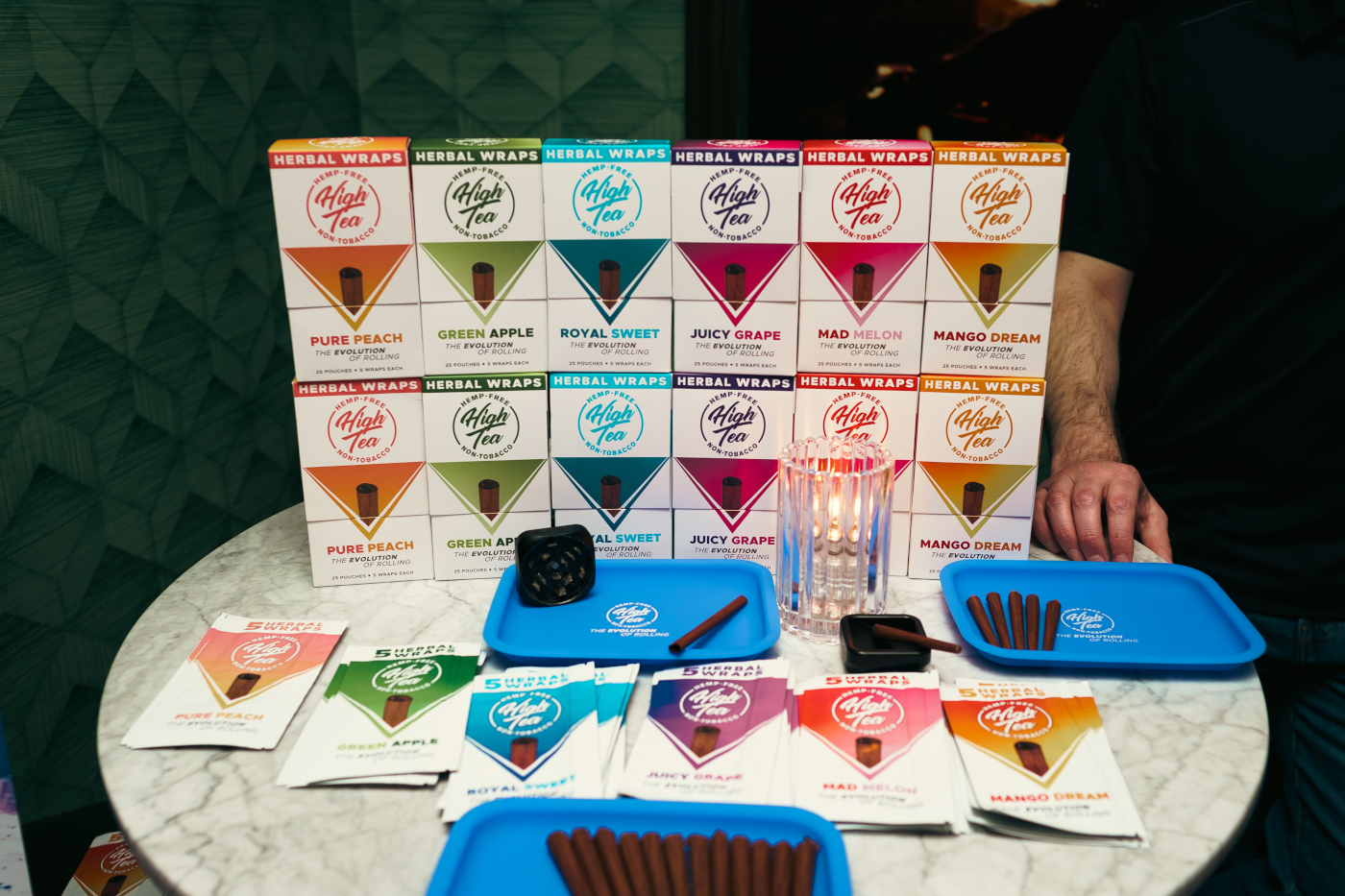
Combustibles didn’t die. They evolved.
The conventional wisdom has long held that combustibles are a declining category, ceding ground to vapes, edibles, and tinctures. The long-arc trend data supports that view: Traditional combustibles have fallen roughly 9.5 to 10 percent across the board over the past decade, according to Kretek’s industry tracking.
But the category didn’t collapse. It transformed. Rolling papers, wraps, and blunt alternatives have seen consistent gains even as cigarette-style consumption dropped. COVID-19 briefly reversed everything — “suddenly everyone was at home smoking everything they could get their hands on,” Winokur noted, chuckling — and when the pandemic ended, traditional combustibles fell sharply again. The alternative segment kept climbing.
Consumers weren’t walking away from the ritual of rolling and smoking. They were walking away from tobacco.
The regulatory tangle — and the elegant end-run
For dispensaries, capitalizing on this shift has been maddeningly complicated. In markets like California, operators cannot hold licenses for both tobacco and cannabis, which means the wraps and papers their customers want must be sold next door, through a smoke shop with separate staff and separate inventory, leading to a fractured consumer experience.
“You’ve got the same owners, two doors apart, running everything through different channels,” Winokur said. “It creates confusion, and it locks dispensaries out of accessories their customers actually want.”
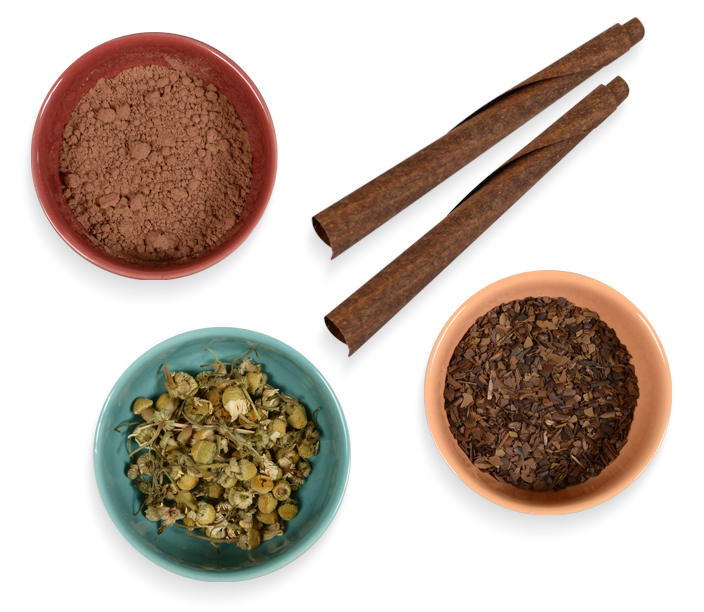
High Tea sidesteps this entirely. Made from cacao, yerba mate, and tea, the wraps contain no tobacco, nicotine, or hemp. Regulatorily speaking, they’re simply rolling papers. Dispensaries can carry them without a tobacco license, without a separate storefront, and without the compliance headache.
From the consumer’s perspective, they smoke like a wrap, feel like a blunt, and get out of the flower’s way.
Flavor as enhancement, not disguise
High Tea’s profiles are designed to complement terpene expression rather than compete with it. Where a traditional flavored wrap coats everything in artificial sweetness, High Tea leans aromatic, lighter, more intentional.
Winokur talks about it the way a sommelier might talk about food pairings. “You can mix wrap flavors with different strains,” he said. “Depending on the terps, it can contrast beautifully or complement them. I love helping people think in pairings. If you’re drinking this and smoking that, wrap it in this and you get a whole different situation.”
That sensibility resonates in a market that has genuinely matured. Consumers pursuing today’s flower aren’t hiding schwag. They’re making deliberate, informed choices, and they want every element of the experience to reflect that.
The retail case: margins, loyalty, and the dispensary of the future
For dispensary operators, High Tea isn’t just a consumer story. It’s also a margin story.
Accessories have become an increasingly strategic category as dispensaries look for revenue beyond flower, vapes, and edibles. Wraps carry strong margins — Winokur estimates 50 to 60 percent — on customers already in the store. High Tea’s compliance-friendly status means more operators can access that upside.
There’s also a loyalty dimension. Every time a customer has to make an extra stop for accessories, that’s a friction point and a potential defection. Dispensaries that can serve the full session — flower to wrap to lighter — build the kind of habitual destination loyalty that compounds over time.
Winokur sees this as part of a much larger evolution in what a dispensary can be. “Dispensaries, if they do it right, have the opportunity to become the convenience stores of the twenty-first and twenty-second centuries,” he said.
As restrictions loosen around general merchandise in various jurisdictions, he envisions spaces where cannabis sits alongside drinks, snacks, merchandise, and accessories — not just a transaction point, but a place where people actually spend time.
Proof of concept, hand-rolled in kief
The vision has a proof point. At JAD’s, a high-end consumption lounge in Denver, High Tea wraps are used exclusively for the house pre-rolls — hand-rolled in kief and finished to order. They’ve become the most requested item on the menu.
“Everyone we turn on to High Tea tries them and says they’re not going back to tobacco,” Winokur said.
That kind of conversion loyalty is exactly what Kretek is looking to scale. The company plans a national rollout of High Tea-branded pre-rolls in dispensaries over the next year, backed by retail integration support — loyalty program tie-ins, in-store education, and promotional infrastructure — to help operators build the category with confidence.
New formats are in development as well, including cone variations with glass tips and thinner, automation-compatible options designed specifically for multistate operators. On the flavor side, Kretek is planning limited-edition seasonal releases — fall, spring, summer profiles — to tap into the growing appetite for scarcity and discovery.
“Flavors are very strange,” Winokur said. “There are always a few standbys that everyone is looking for, but there are also viral flavor trends that really capture attention. People like that chase, trying to find something new and finite.”
Rolling toward what comes next
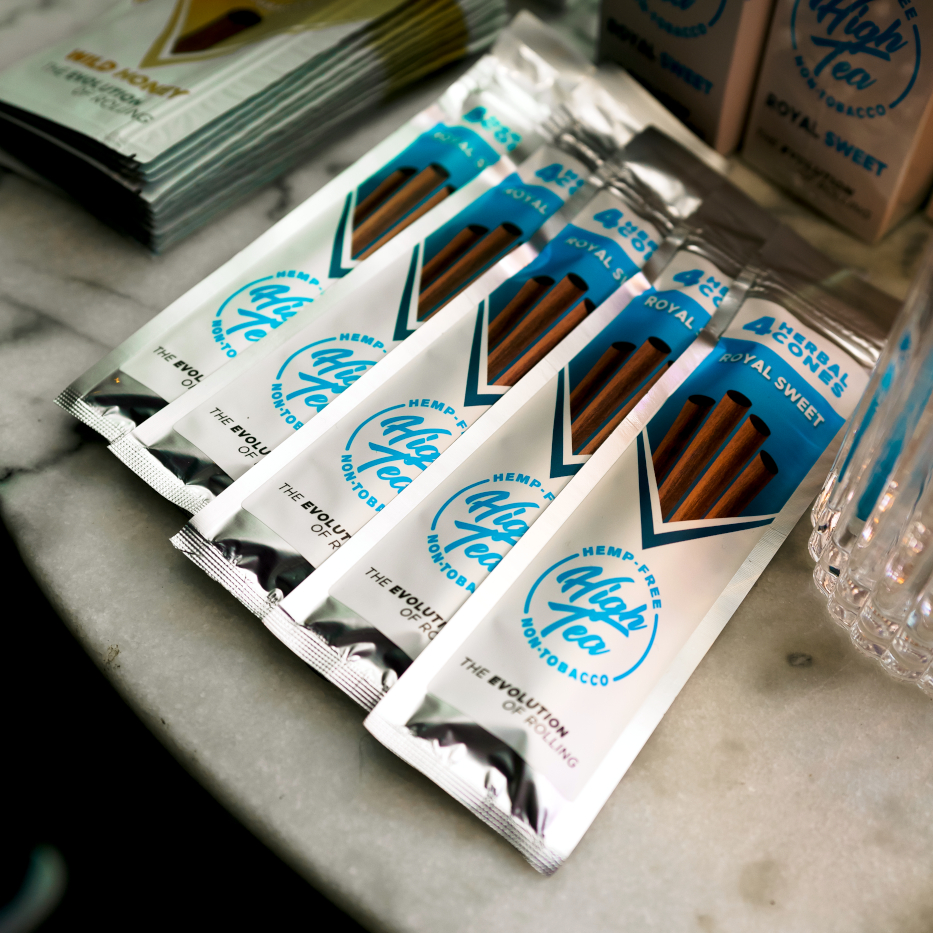
Underlying everything is a philosophical stance Winokur returns to often: The cannabis industry has an opportunity — and a responsibility — to self-regulate, to present itself as clean and intentional as it moves toward full normalization.
“If we help write the rules, we’re in a much better position,” he said.
High Tea is, in that sense, more than a product line. It’s an argument about what cannabis culture looks like when it grows up; when it stops hiding behind sweetness and tobacco and starts standing confidently in its own flavor.
The wrap, finally, has caught up with the flower.
Expert answers
What makes High Tea different from traditional blunt wraps?
High Tea is designed to deliver a blunt-style rolling experience without tobacco, nicotine, or hemp. Instead of masking flower with syrupy sweetness or tobacco bite, the wraps are made with cacao, yerba mate, and tea — intended to complement terpene profiles rather than overpower them.
Why does ‘no tobacco’ matter for dispensary operators?
In many markets, tobacco products trigger separate licensing, merchandising rules, and compliance complexity. In some cases, wraps can’t be sold under the same license structure as cannabis. High Tea is positioned as a tobacco-free wrap that can be treated more like rolling papers, helping dispensaries keep accessory purchases in-house instead of sending customers next door.
Are wraps really worth the shelf space from a margin standpoint?
Often, yes. Accessories can carry strong margins while increasing basket size — and they’re bought by customers who are already in the store. The advertorial cites estimated wrap margins in the 50–60-percent range (company estimate), making the category a potentially meaningful add-on for retailers looking to diversify revenue beyond core product sales.
How should retailers merchandise wraps to drive trial and repeat purchase?
Think “pairing plus discovery.” Merchandise by flavor family and intended pairing (e.g., fruit-forward strains with fruit-leaning wrap flavors) and use budtender scripting that frames wraps as a “terpene companion” rather than a disguise. Limited releases and seasonal flavors can also be positioned as scarcity-driven discovery — an easy hook for repeat visits.