

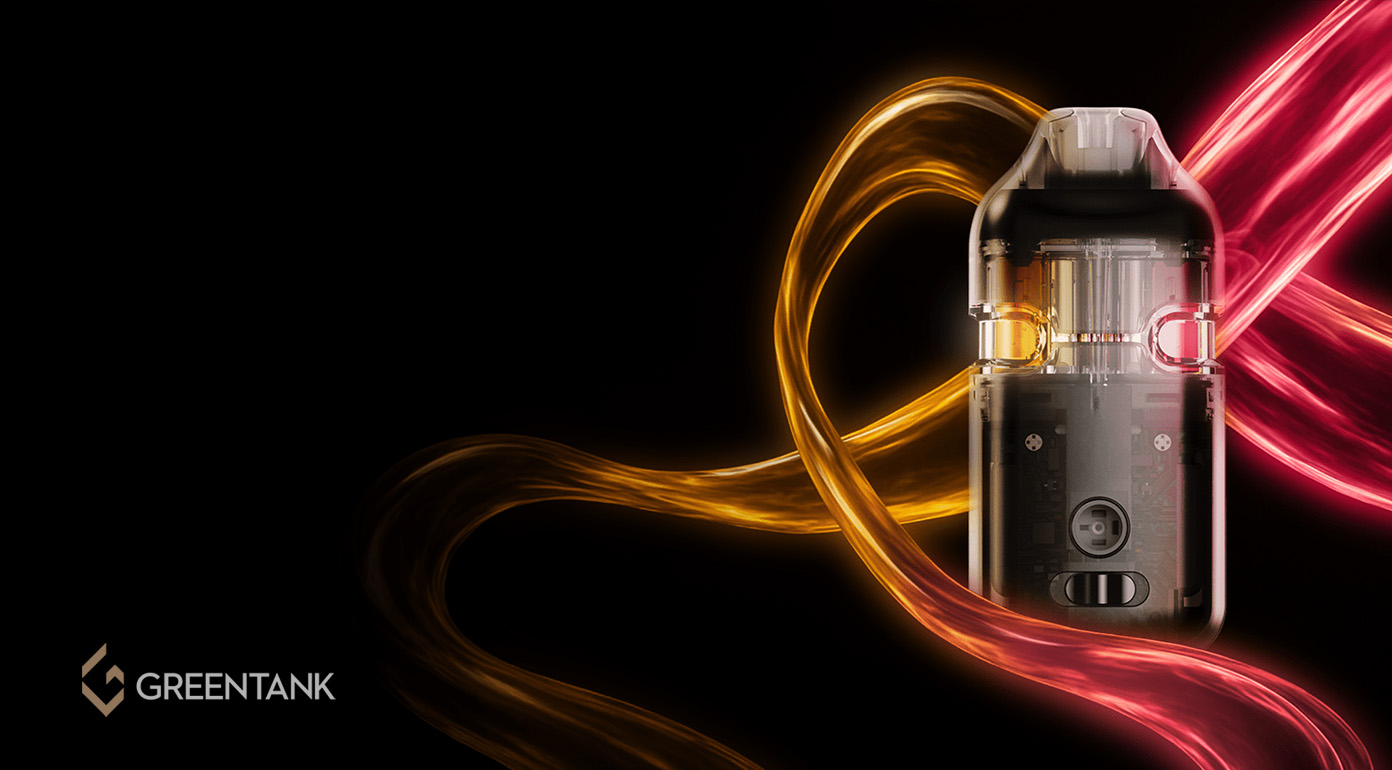
Not long ago, the cannabis vape market was defined by simplicity. One-gram cartridges dominated dispensary shelves, distillate was king, and consumers largely viewed hardware as interchangeable. Price often drove purchasing decisions, while device technology remained in the background.
That equation is changing.
The vape market is evolving
Across the United States, sales data indicates consumers are gravitating toward larger-capacity devices and premium cannabis extracts, signaling a shift in how people experience vapor products. As the market matures, convenience, flavor, and overall performance are becoming just as important as potency. The shift is creating new opportunities — and new performance expectations — for product brands.
One of the most significant changes identified in Greentank Technologies’ 2026 U.S. Vape Market Report: What’s Driving the Industry Now is the rapid growth of 2mL devices. The hardware manufacturer tracks vape sales trends across North America.
During the past twelve months, sales of 2mL devices nearly doubled across many of the U.S. markets included in Greentank’s analysis, making the format one of the vape category’s fastest-growing segments. During the same period, traditional 1mL cartridges remained the category leader but declined by approximately 10 percent in the analyzed markets.
The shift doesn’t necessarily mean consumers are abandoning smaller-capacity products. Rather, it’s a sign that purchasing habits are evolving.
“Consumers are getting more savvy and mature with their purchasing decisions,” said Derek Champoux, vice president of marketing at Greentank. “They know how devices work, how to handle them, and are looking for more value out of their products.”
Larger-capacity devices reduce the need for frequent repurchases, offering greater convenience for frequent consumers. At the same time, improvements in hardware technology have made larger formats increasingly practical.
“Advances in coil technology and airflow design allow for greater product longevity and higher-capacity formats,” Champoux said.
The trend follows a broader evolution within cannabis. As consumers become more experienced, they evaluate products less on novelty and more on overall experience. Reliability, consistency, and hardware performance increasingly influence purchasing decisions alongside strains, terpenes, potency, and other aspects of the plant.
Premium extracts gain ground
While larger hardware formats represent one aspect of the market’s evolution, extract formulations represent another.
Greentank’s market tracking shows growing demand for specialty extracts such as live resin, rosin, and liquid diamonds, which many consumers perceive as more flavorful and distinctive than traditional distillates.
For many consumers, the appeal goes beyond potency.
“Consumers are looking for varied sensory experiences,” Champoux said. “Extraction methods like solventless formulations have gained in popularity because they offer something different than highly refined distillate: higher flavor concentration, more true-to-plant taste, and unique effects.”
As premium extracts gain market share, manufacturers face new engineering challenges. Different formulations place different demands on vape hardware, requiring devices to be capable of delivering a consistent experience across a wider range of extracts. That change is influencing hardware development throughout the industry.
Rather than viewing hardware as a commodity, many product brands are beginning to see it as an extension of the extract. As formulations become more specialized, selecting the right device becomes even more important for preserving flavor, performance, and consumer satisfaction.
Preparing for what’s next
For hardware manufacturers, identifying trends is only valuable if they can respond before the market fully shifts.
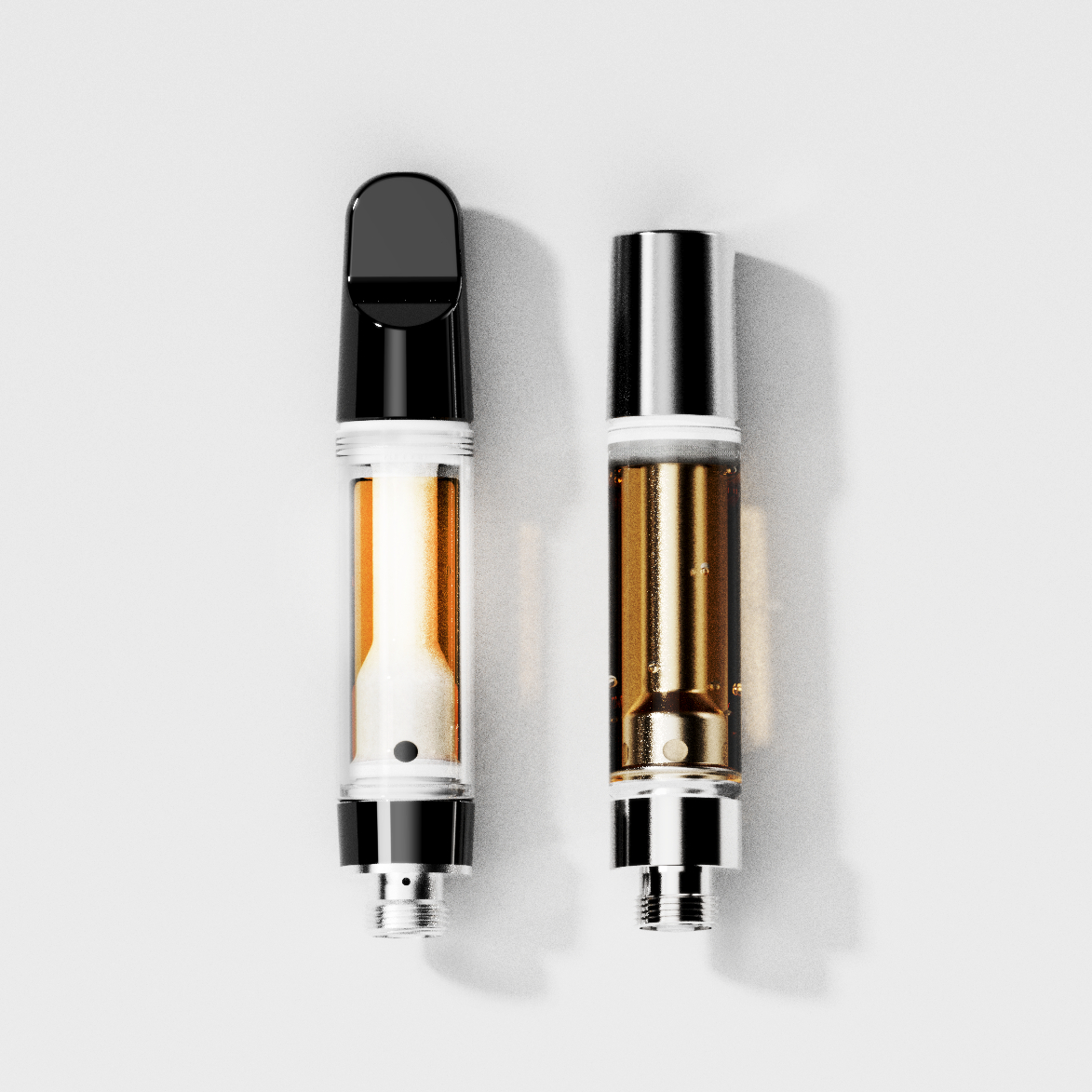
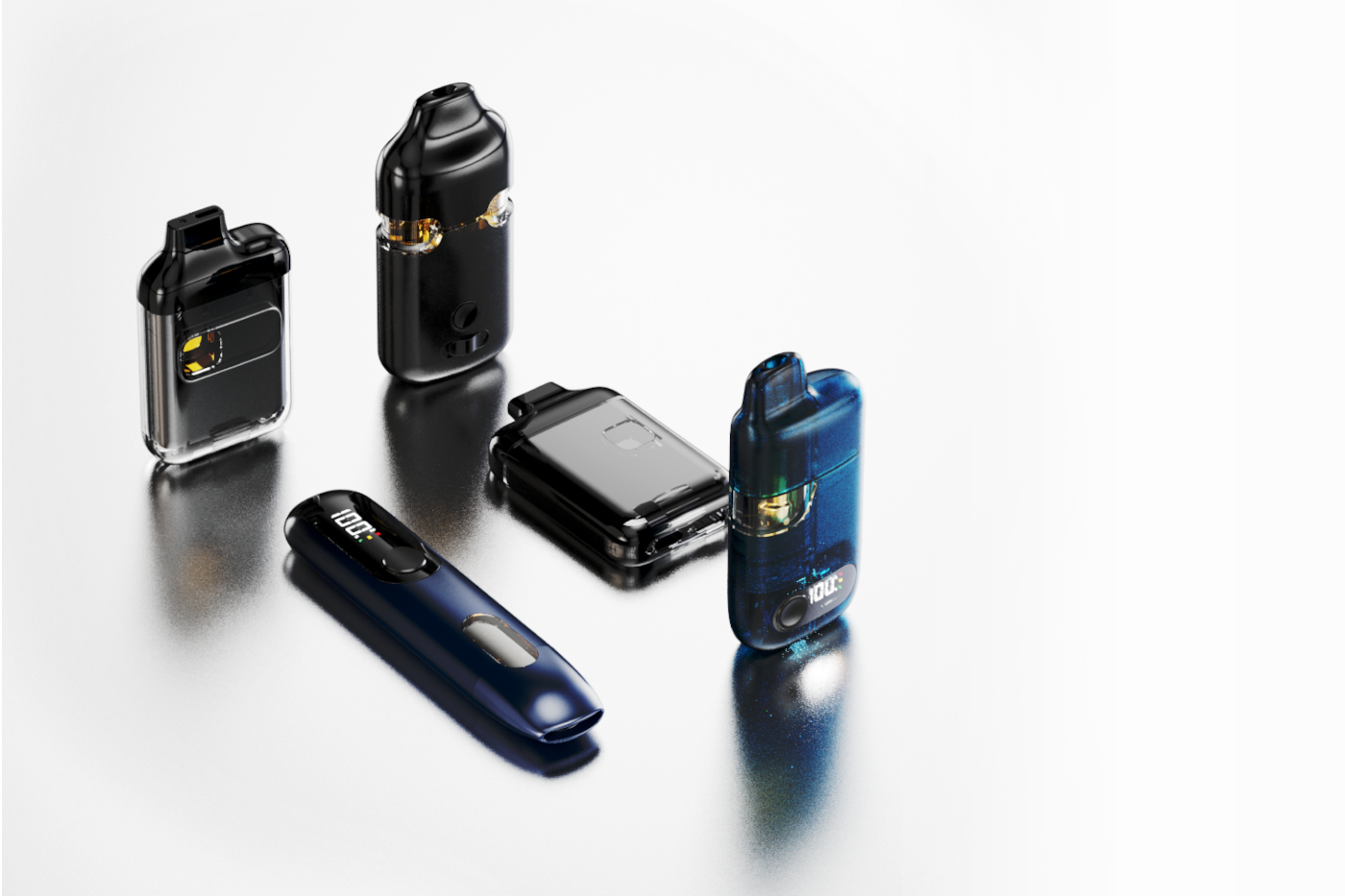
Greentank regularly analyzes sales data to help guide product development and ensure its hardware portfolio evolves alongside consumer demand. Larger-capacity options include the GT Palm Pro, built for more user control; the GT A20 Max, designed with a postless, gravity-fed reservoir; and the GT Fuse, which offers dual chambers for mixing and matching flavors. For specialty extracts, the company offers the GT A7 Mini, GT GO, and GT AC, each engineered to accommodate a range of high-performance extracts.
The company expects the momentum behind larger formats to continue.
“The 1mL format is still the sales king,” Champoux said. “Despite its decline in sales numbers, it is still a staple in most, if not all, brand portfolios — as it should be. However, as technology evolves and gets more sophisticated, the category is certainly going to fluctuate.”
He believes there is still considerable room for growth.
“I do think there is still room to grow on the larger-format side of the market, and I predict a continued trend with 2mL products over the next 12 months,” he said.
Looking farther ahead, he expects all-in-one devices to remain a major driver of innovation, but he’s keeping an eye on another possibility.
“No one can deny the rise of all-in-one devices over the previous two years, and I believe that will continue to grow, especially larger-format products with 2mL and even 3mL-plus capacities,” he said. “I’m curious, however, whether the market will eventually adapt to pod-based platforms if universal configurations can create more flexibility and product diversity.”
As vapor products become more specialized, hardware companies will need to do more than respond to current demand. Their challenge will be anticipating which formats and formulations consumers will embrace next.