





In the cannabis industry, where startup energy meets regulatory complexity and rapid growth, competition for skilled, mission-driven talent is fierce. For founders and operators, this creates a crucial question: What makes someone want to work for your company?
An even more pertinent question is “How much are you investing in branding your workplace?”

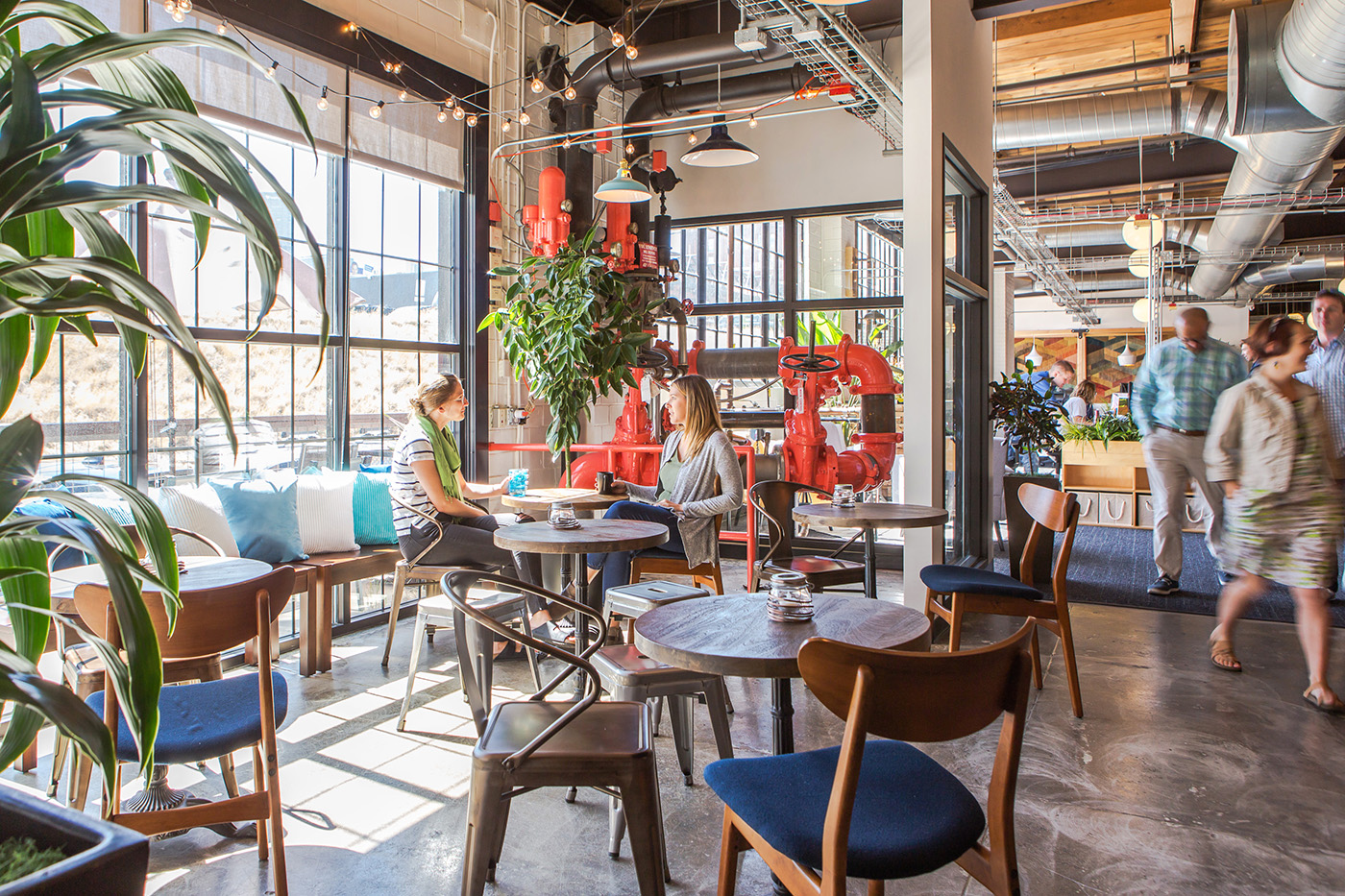
The pandemic permanently shifted how people experience work. With remote and hybrid environments becoming the norm, employer branding is no longer about cool office spaces or stocked fridges. In fact, building a company people want to work for today often means crafting experiences that have little to do with a physical location.
It’s no longer about the place; it’s about the people. Culture is defined not by amenities, but by the relationships, communication, and energy your team brings to each other every day. If your team feels comfortable being themselves, sharing ideas, and connecting authentically (yes, even across Zoom calls or Slack channels), you’re already building a strong employer brand.
Authenticity is key. It can’t be manufactured, and it definitely can’t be faked. The more real your company culture feels, the more attractive it becomes to potential hires.
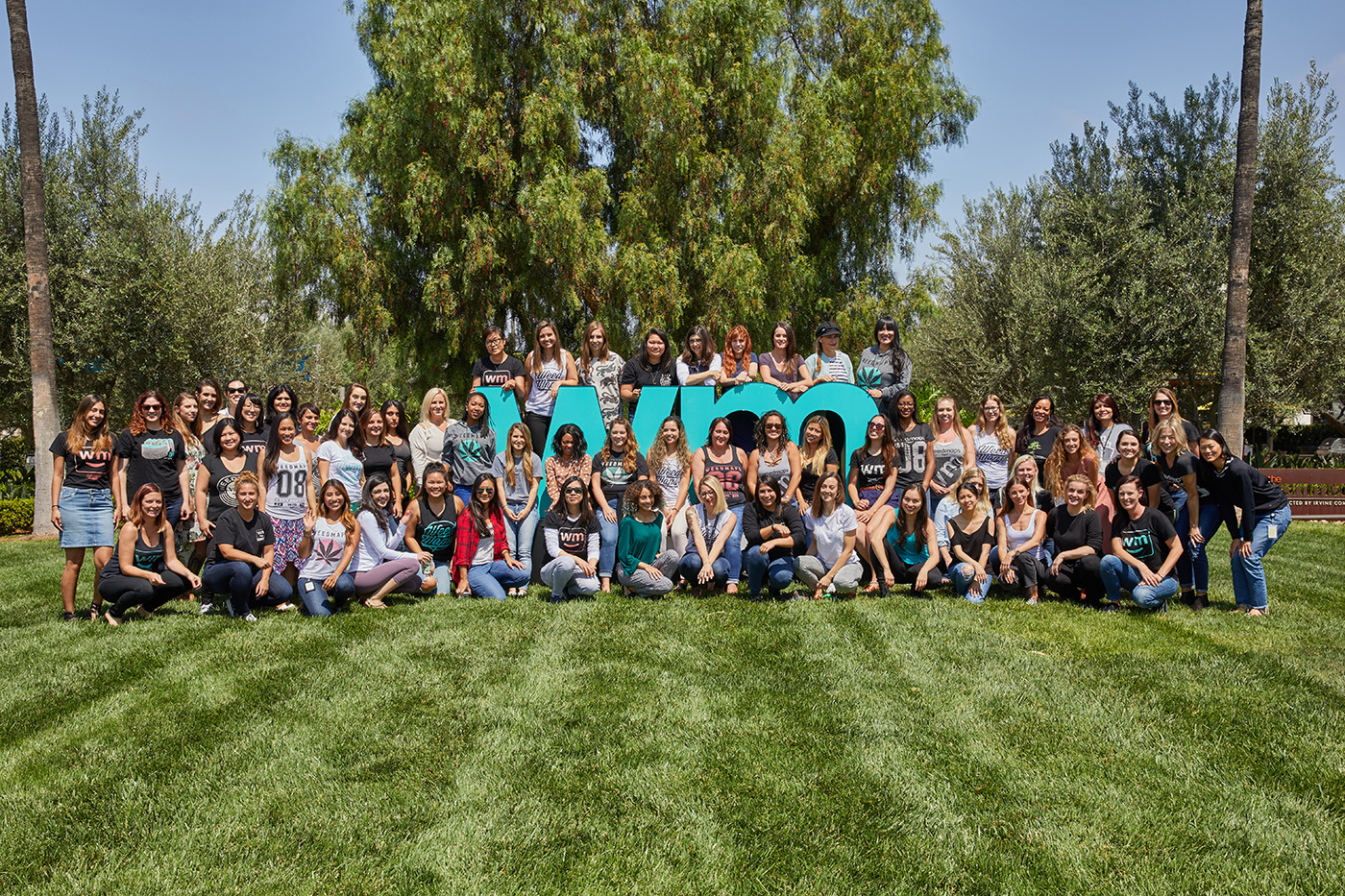
Some may dismiss culture-building as soft or secondary to business operations. But your employer brand directly impacts recruitment, retention, and productivity. When people enjoy where they work and feel valued, they stay longer, collaborate better, and often become advocates for the company.
And let’s be real: Hiring is expensive. Onboarding takes time. Training takes energy. When someone leaves, you lose more than just a role; you also lose momentum. That’s why a strong employer brand is a strategic asset. When employees feel aligned with your values and leadership, the ripple effects are real: better work, stronger client relationships, and long-term, sustainable growth.
If you’re in a leadership position, your behavior sets the tone. When you lead with empathy and authenticity, your team feels it. And when your employees are energized and engaged, they pass that energy on to clients, partners, and each other.
Culture isn’t about being performative. It’s about consistently showing up. Messaging that reflects who you really are as a company (i.e. human, transparent, creative) creates a magnetic effect. People want to be part of something real. They want to believe in where they work.
That’s why everything from your careers page to your social media presence contributes to how your company is perceived as an employer. The tone of your job descriptions, the transparency in your messaging, and even the visual design of your website tell a story. Are you using that opportunity to stand out?
A flat, corporate tone can deter great candidates. On the other hand, a voice that feels personal and authentic can signal your culture is different and you value people, not just productivity.
Don’t forget about the power of visual identity and messaging. Both can signal innovation, openness, and trustworthiness before a candidate even clicks “apply.”
So what is top talent in the cannabis space really looking for?
More and more, people are drawn to companies not because “weed is cool” but because they want to work in a dynamic, emerging space full of novel challenges. These are self-motivated, growth-oriented individuals who aspire to solve problems in an industry that’s still taking shape.
One of the strongest signals of a healthy employer brand is internal mobility. If employees see a real path to grow, whether that means learning new skills, stepping into leadership, or even switching departments, they’re far more likely to stay and engage. Empty promises of growth often backfire. If you want people to believe in the future of your company, make sure you’re creating a future they can be part of.
But challenge alone won’t keep them. If you want to attract and retain top-tier talent, you need to provide security as well as advancement opportunities. That starts with offering real benefits. I’m talking about healthcare, paid leave, and other perks. These investments may stretch your budget, especially early on, but they demonstrate you care about the people helping your business grow.
This brings me to my last point: the pizza party purpose. There was a time I thought team-building exercises were corny. And sure, a pizza party won’t fix a toxic workplace. But shared meals, casual hangs, and inside jokes over Slack channels? Honestly, these moments matter more than you’d think. They build trust. They create space for people to exhale. And sometimes, as a business owner, watching your team laugh over slices is the moment you realize you’re doing something right.
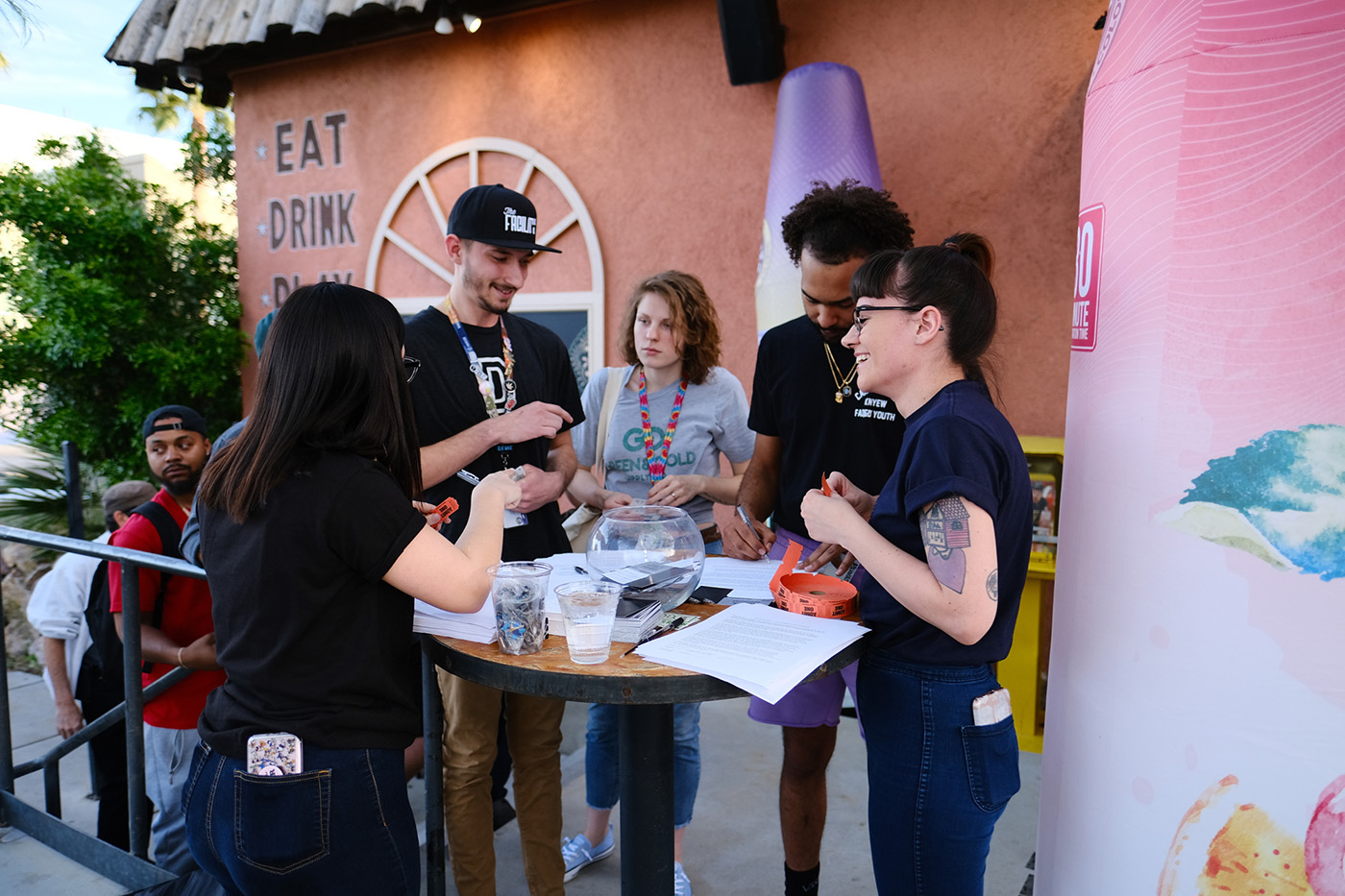
The goal isn’t to check off boxes on a “culture to-do list.” The goal is to create real, human moments. Sometimes, yes, a slice of pizza helps.
In cannabis, employer branding isn’t just a recruitment tool. It’s a survival strategy. It’s what sets apart the companies that last from the ones that burn out. Because in the end, people don’t want just a job. They want to believe in where they work.
If you get that part right — if you build a place that’s real, supportive, and driven by something deeper — you won’t just attract talent. You’ll also keep the top performers you hire.
Employer Branding: Key Questions
Why is employer branding important in cannabis?
Employer branding helps cannabis companies attract and retain top talent, reducing costly turnover.
How can cannabis companies build a strong culture?
Foster authenticity, empathy, and trust through communication, benefits, and real growth opportunities.
What do cannabis employees want most?
Beyond perks, they want authentic culture, internal mobility, and real benefits like healthcare and paid leave.
How does culture affect business growth?
Strong culture improves retention, productivity, and client relationships, driving long-term sustainable growth.

As founder and CEO of CannaPlanners, Will Read brings a no-nonsense approach to disrupting the industry. His background is as dynamic as his leadership style, spanning music, tech, and entrepreneurship. After sharpening his business-development skills at Apple, he launched CannaPlanners in 2016 to normalize cannabis through bold design and next-level digital marketing.
Related Articles: