





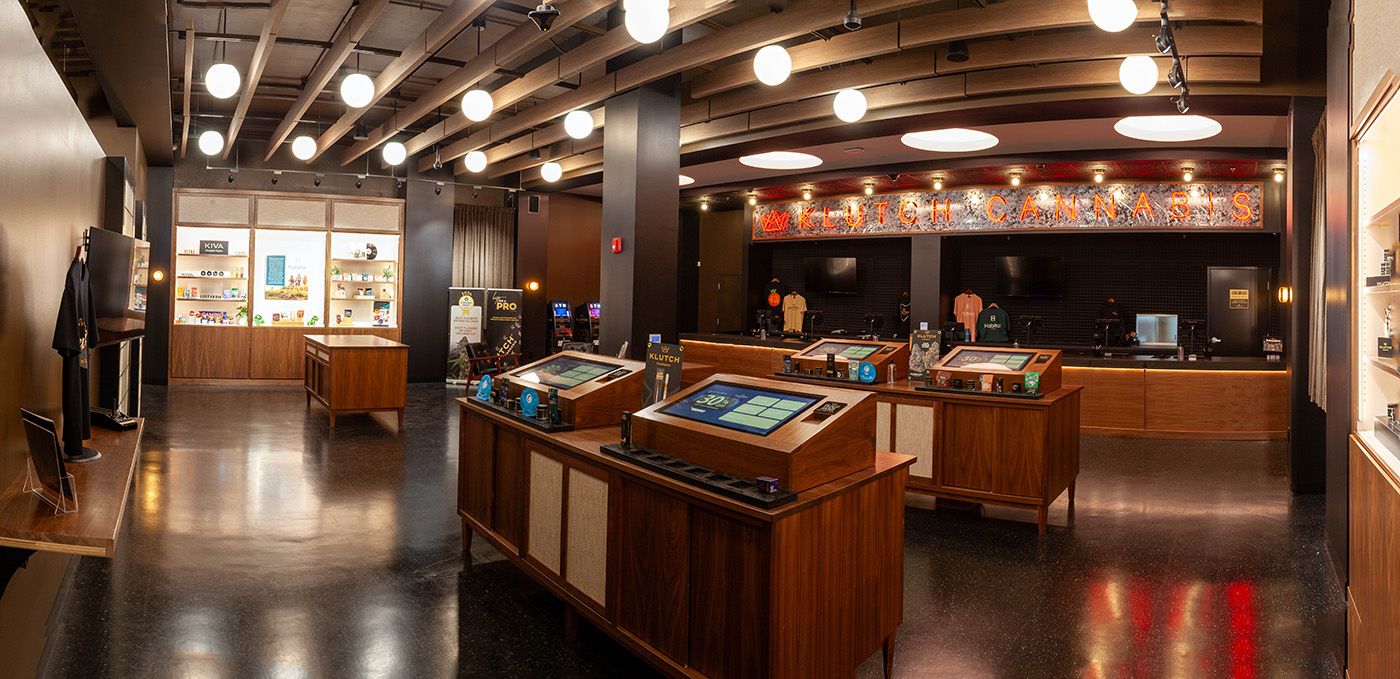
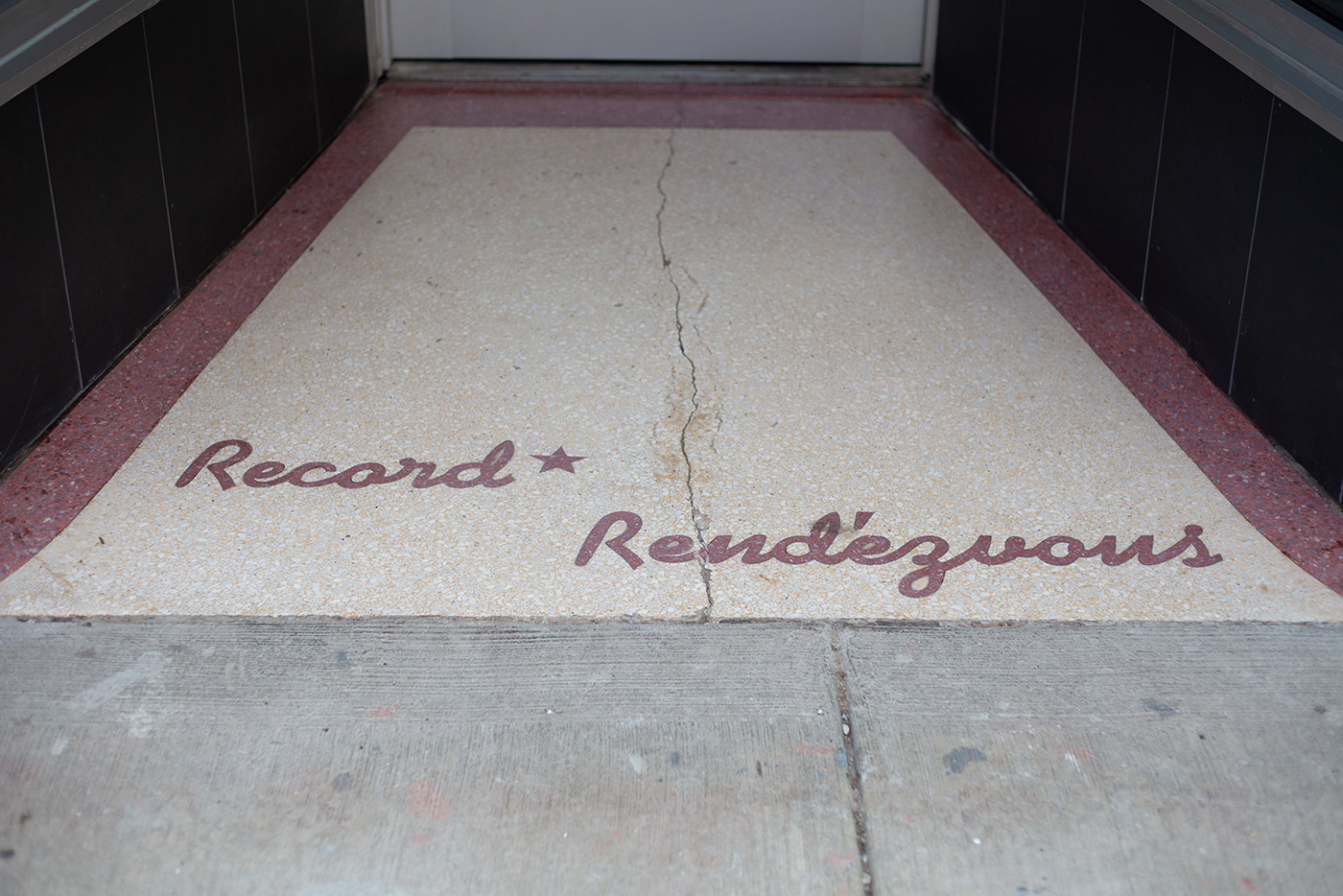
In the heart of downtown Cleveland’s entertainment district, where neon signs and live music pulse through the city’s veins, Klutch Cannabis has opened what may be Ohio’s most culturally rich dispensary. The store sits inside the historic Record Rendezvous building, a landmark as deeply entwined with American rock and roll as the genre’s first guitar chord.
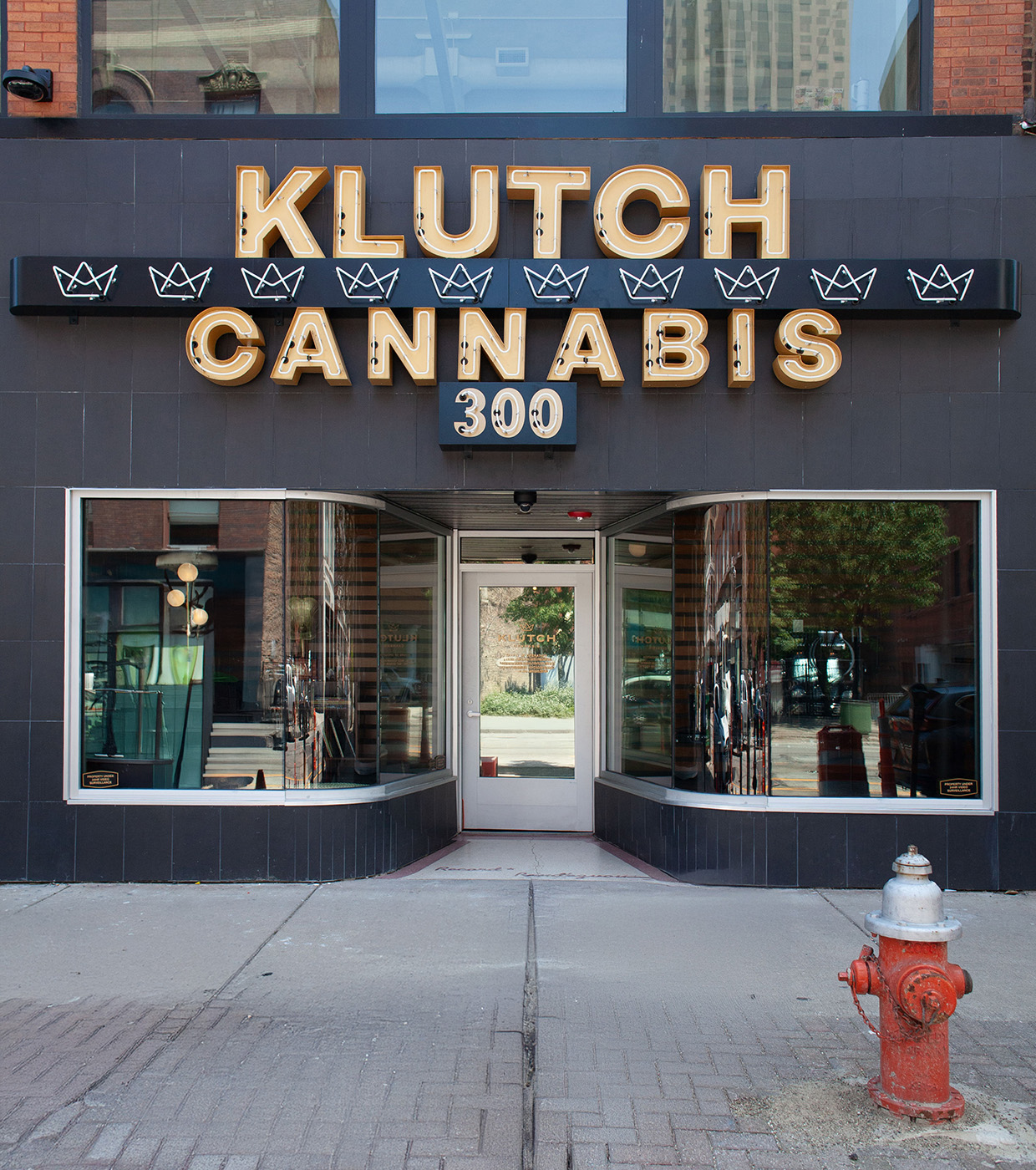
Cleveland knows how to hold history. It’s a city of grit, artistic genius, and deep creative soul. And now, at 300 Prospect Avenue East, that legacy finds new expression through Klutch’s flagship dispensary, a space that feels less like retail and more like reverence.

Where rock and roll was born
To understand the dispensary’s design, one must understand the building’s historical context. Record Rendezvous was much more than just a music store. It was a cultural lightning rod. Under the vision of founder Leo Mintz, young Clevelanders came together across racial and class divides to indulge their common love of music in shared listening booths.
“Leo was an innovator, and his store was a place where Black and white people came together and stood shoulder to shoulder listening to music together,” said Pete Nischt, Klutch’s vice president of compliance and communications. “He noticed that a certain genre of music was causing patrons to literally ‘rock and roll’ as they listened.”
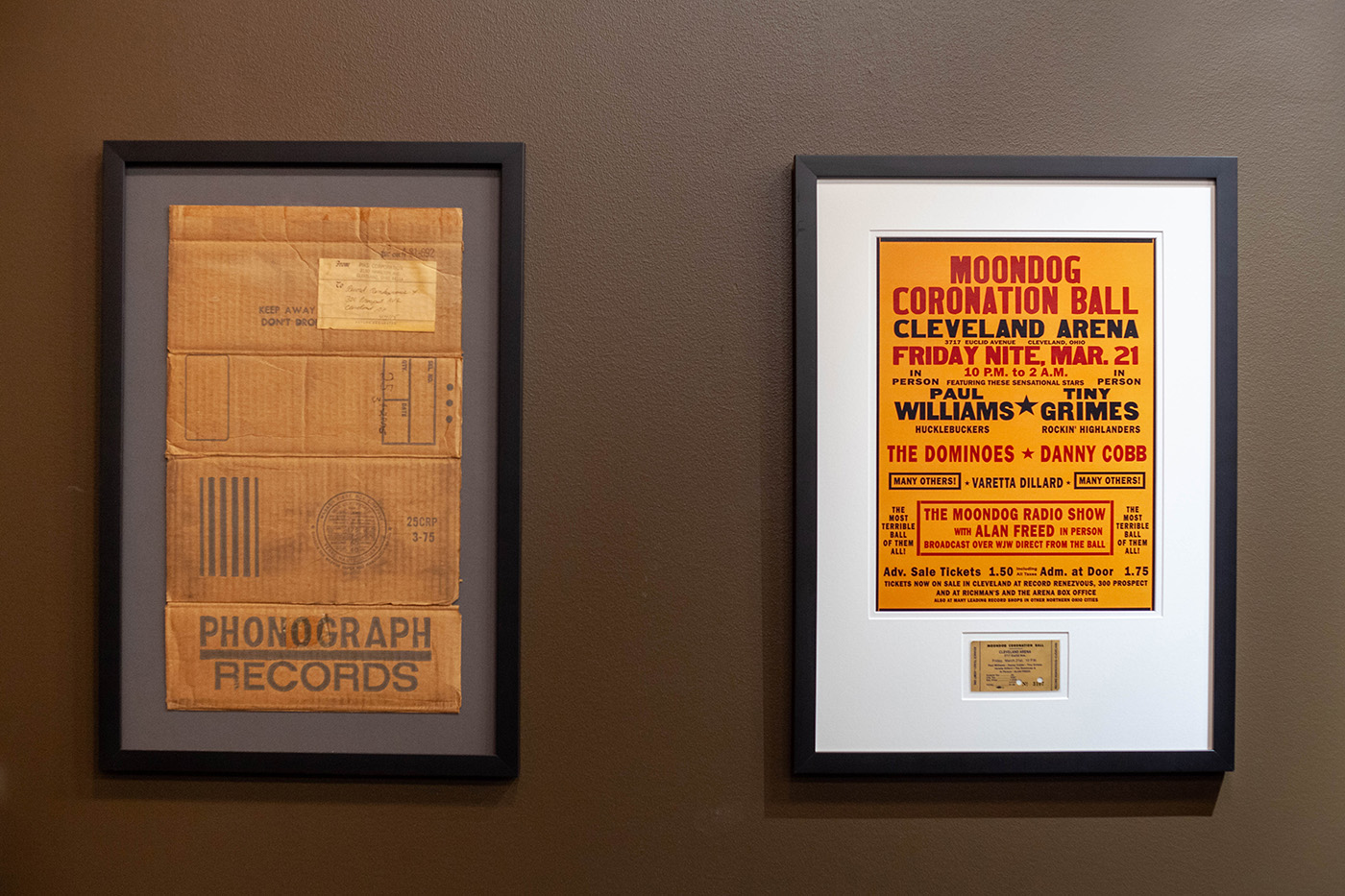
Mintz coined the now-iconic phrase, helped launch legendary disc jockey Alan Freed’s career, and planted the seed for the Moondog Coronation Ball — generally acknowledged as the world’s first rock-and-roll concert. Although the inaugural event at the Cleveland Arena in 1952 ended in chaos, rock and roll was unstoppable.
Mintz, Freed, and local concert promoter Lew Platt “underestimated the cultural impact,” Nischt said. “They decided to plan the ball. They brought in some bands, printed tickets in the store, and sold them all the first night. Then they went back to schedule a second night but forgot to change the date when they printed the tickets.” With twice as many attendees as the arena could hold, not everyone could get inside. Ticketholders “were banging down the door to get in,” Nischt said. (In fact, contemporary reports described the scene as a riot.) “The guys were caught off guard by how popular the music really was and what they’d done together.”
Mintz owned Record Rendezvous from its founding in 1938 until it closed in 1987. When the Klutch team stepped into the crumbling remains of yesteryear — long vacant and condemned more than once — they knew they wouldn’t be just renovating a building. They would be restoring a legend.
“Retail is going through a hard time right now, but the cannabis industry provides a unique opportunity where it’s still brick-and-mortar retail dominant,” Nischt said. “And that’s what made a dispensary the perfect thing for this building. We would have been excited about it even without the history, but when you’re working with that kind of story, it’s not like we were just going to sell marijuana. We’ve taken on something of greater importance to the community: We are stewards of a historic asset. That was the impetus for this entire project and its design process.”
A space that sings
The design journey wasn’t easy. The building was erected in 1905, and the structure was decrepit when Klutch came across it. But thanks to historic preservation tax credits and sheer determination, the team brought the venerable edifice back to life — not as an exact replica, but a charming remix.
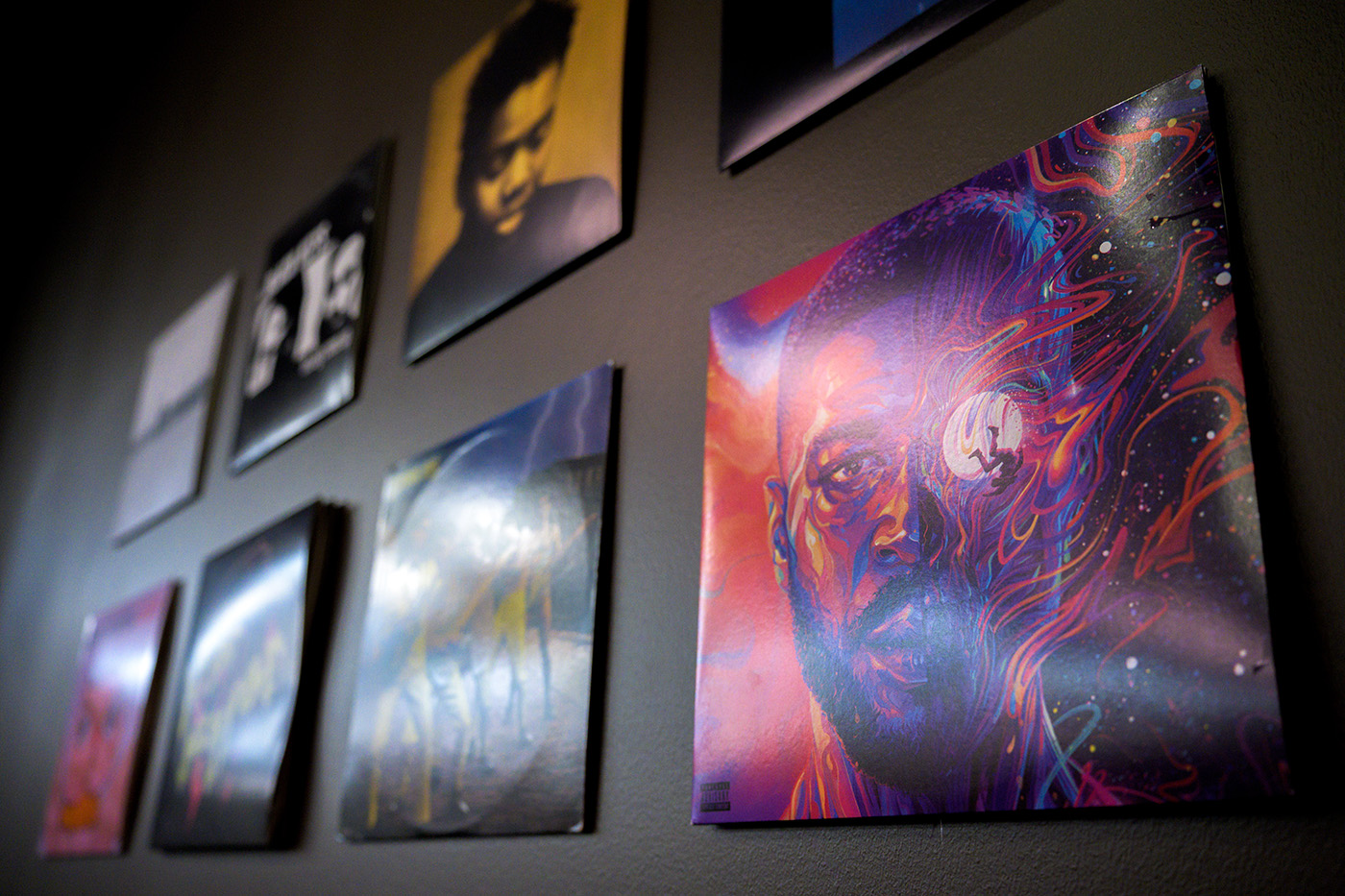
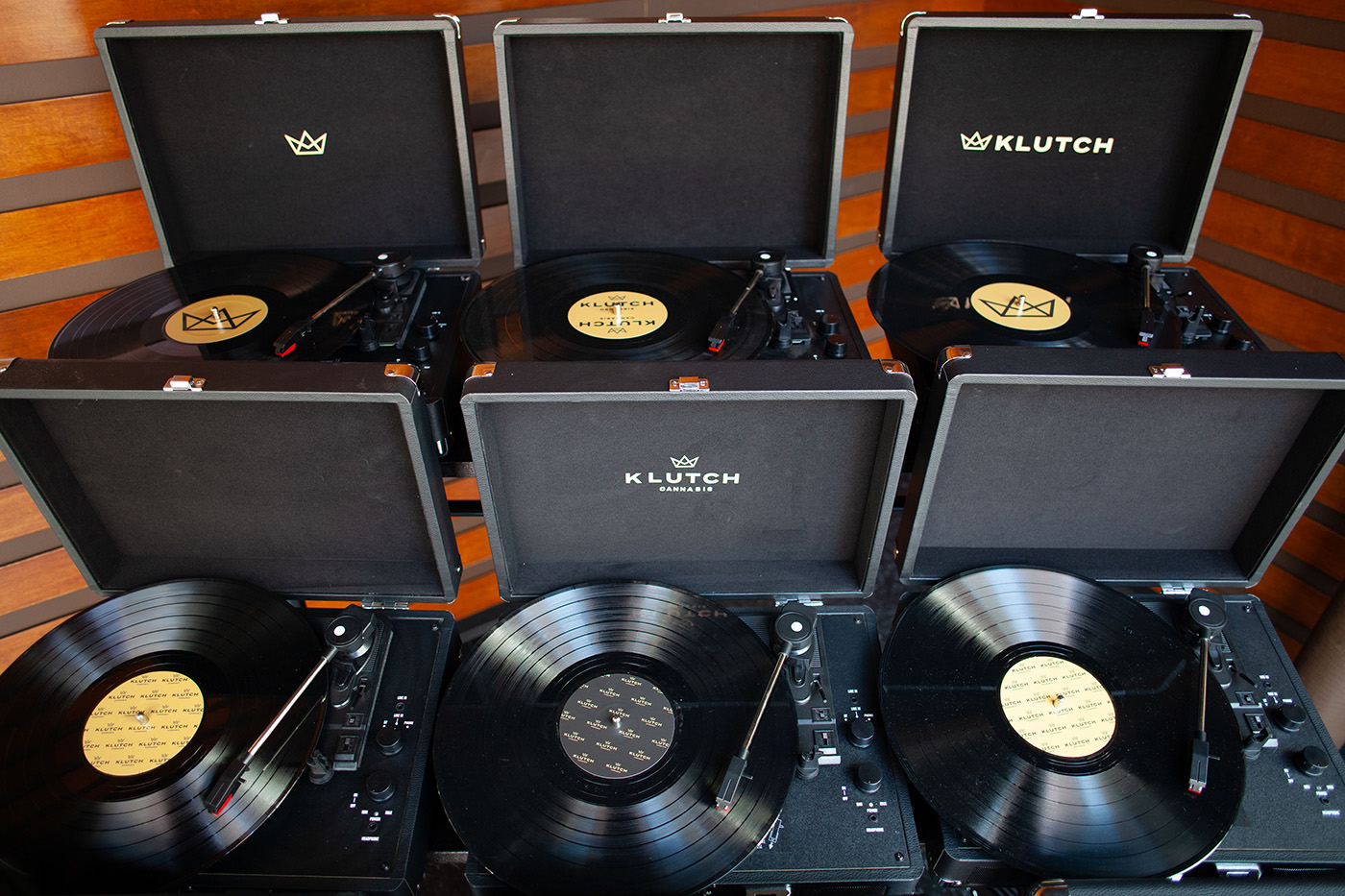
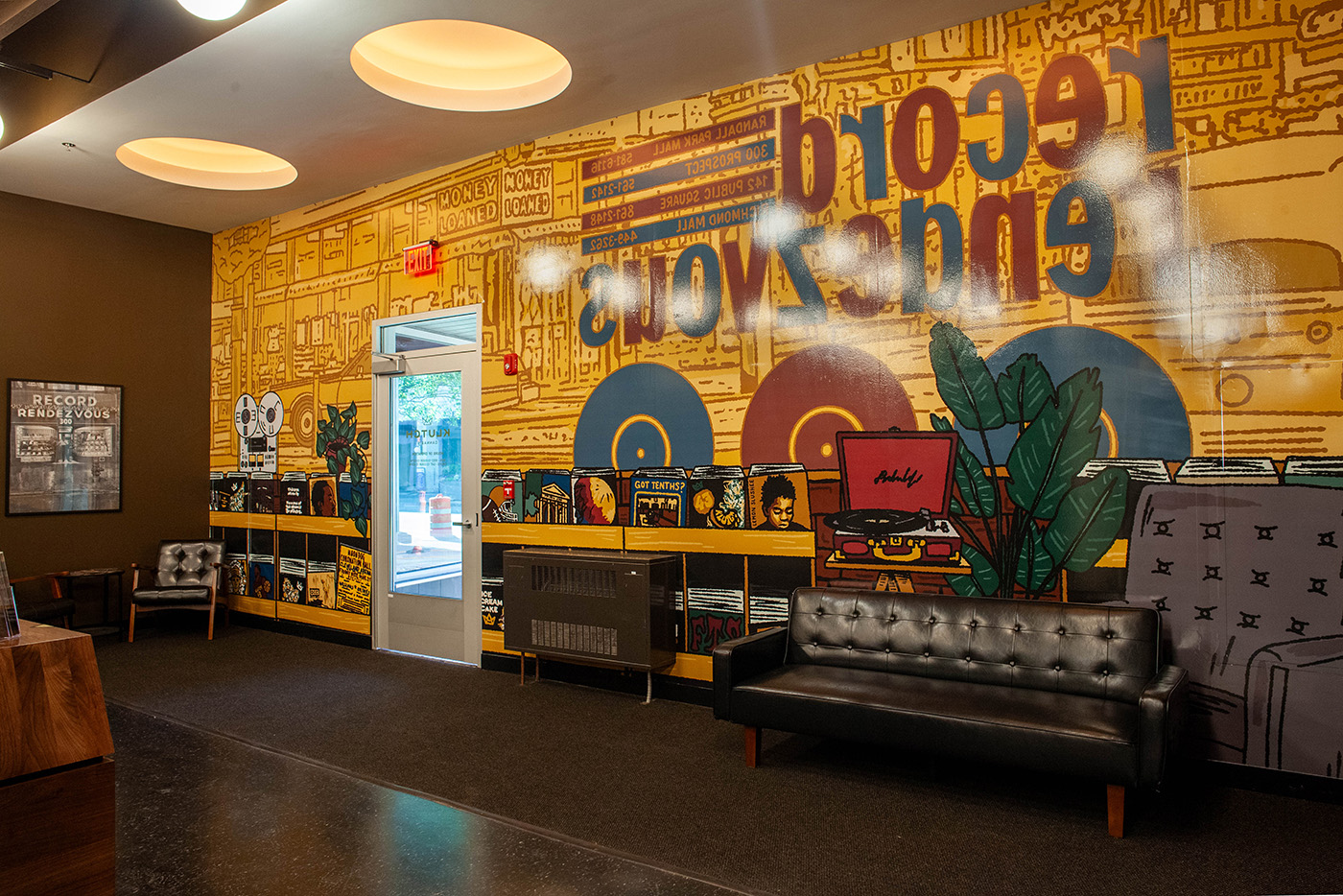
Inside, the dispensary balances modern retail with mid-century nostalgia. Floor-to-ceiling murals mimic the view from inside a 1950s record store. Listening-room-style displays in the front windows feature curated Cleveland-linked vinyl from modern indie students at Case Western University to rare Iggy Pop and David Bowie recordings from the Agora in 1977.
“Instead of blacking out the windows, which would have violated historic preservation rules, we recreated the original record displays from back in the day, and we also tried to recreate a Mid-Century Modern listening room,” Nischt said. “All of the records we have on display, we submitted lengthy explanations of why we felt each one was important to include, and they were all selected due to their connections to Cleveland and/or northeast Ohio.”
Nothing about the design was left to chance. Even the empty product displays are intentional, designed to be compliant while staying on theme.
“The city wanted us to restore the building as close to its original aesthetic as possible, and that was on top of the [Division of] Cannabis Control restrictions we already had to keep in mind,” Nischt said. “But our North Star was paying homage to Record Rendezvous. Whenever we came across a hurdle, we relied on that to guide us, to stay true to the vision.”
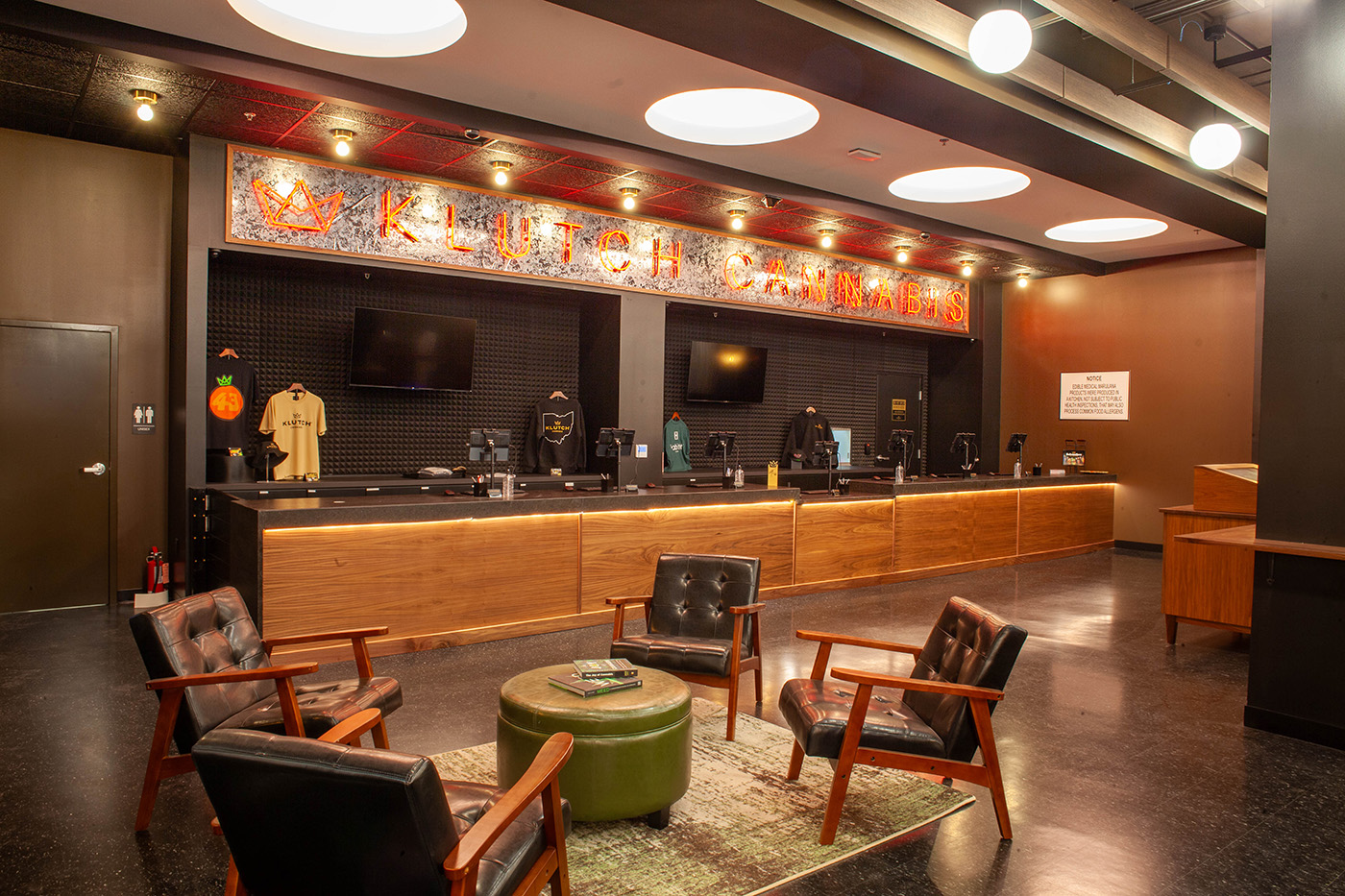
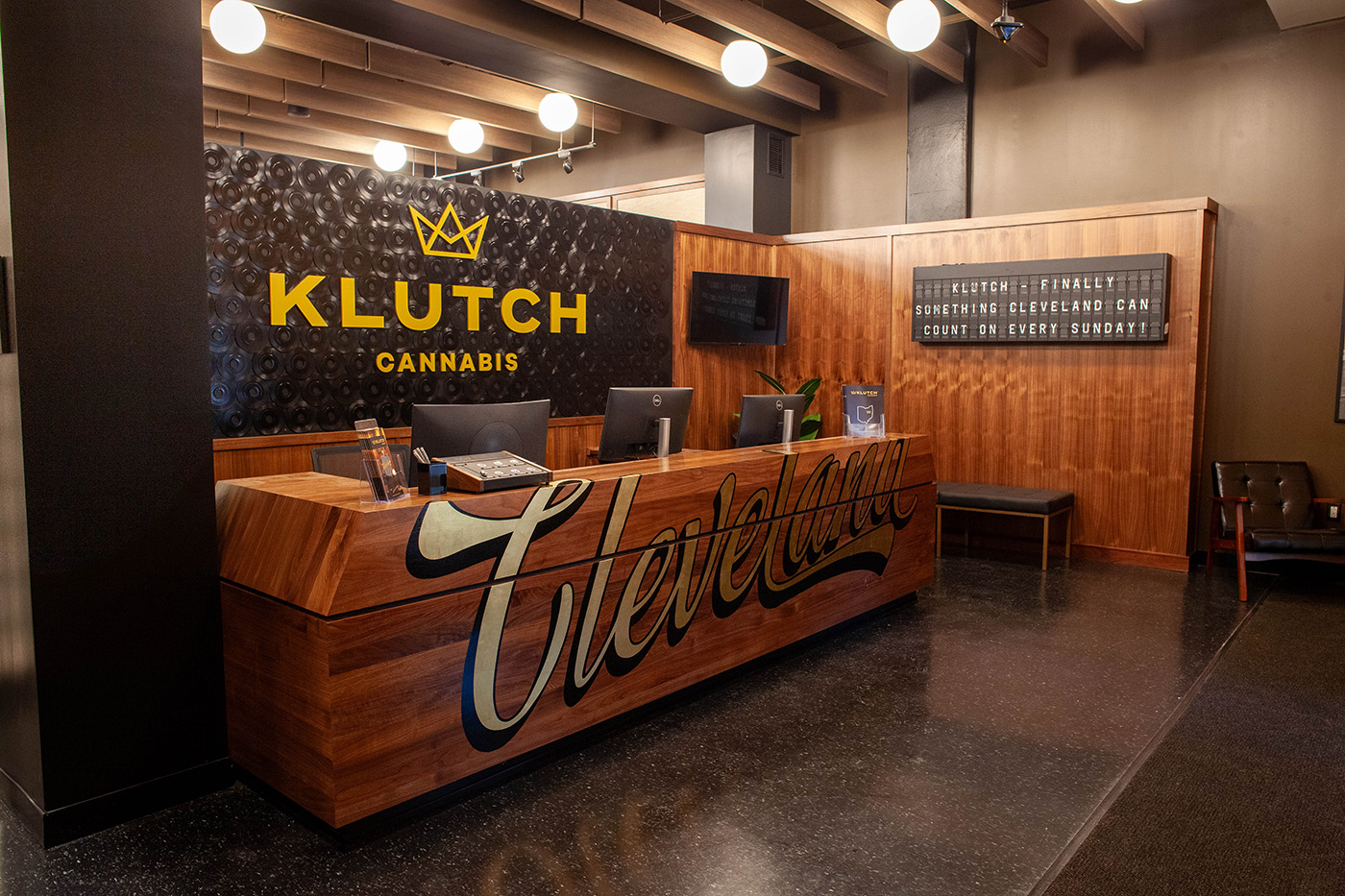
The result is a dispensary where the curious and connoisseurs alike are greeted by guitars, original posters, Klutch-branded record sleeves, and a deep sense of place. The energy is welcoming, open, and effortlessly cool. Kiosks make the ordering experience seamless, while roaming budtenders help customers explore the menu and find what they seek.
“I think if you’re a tourist coming to Cleveland and spending some time downtown, this is a cool place to come and see just because of what happened here years ago,” Nischt said.

A dispensary worth the detour
While the façade may draw in curious pedestrians, the thoughtful, lived-in vibe keeps them talking. This isn’t just a sleek showroom or trendy wellness space. It’s a love letter to Cleveland history.
On any given day, a mix of regulars and visitors stream in: fans headed to a concert, folks grabbing dinner on East 4th Street, sports fans fresh from a Guardians game. They might not even know what the building used to be until they step inside.
“When people walk in, they’re met with a full-floor mural that makes it feel like you’re standing inside a record store window looking out at 1950s Cleveland,” Nischt said. “There are artifacts hanging everywhere — Moondog Ball tickets, vintage posters, old guitars — and upstairs, even our offices have Klutch-branded record sleeves on the walls. Wherever we could lean into the theme, we did.”
So far, reactions from both customers and culture buffs have been overwhelmingly positive.
“We’ve had people from other cannabis companies stop in and tell us it’s one of the nicest stores they’ve seen,” Nischt said. “And we’re lucky. It’s a dense neighborhood, with more foot traffic than most folks expect. People come in before concerts or after grabbing dinner. It’s really special to be able to share the space with so many people.”
More than a storefront
The Cleveland location is just one note in Klutch’s expanding symphony. With Ohio’s cannabis program still in flux and operating under a patchwork of medical and partial adult-use rules, retail buildouts aren’t simple.
“Our state’s program is in a transition period, but Klutch always does best when we focus on ourselves,” Nischt said. “We are taking this time to build out infrastructure, launch new brands and products, and expand our fleet of retail licenses. This month we’ll be opening a new store near MGM Northfield Park, and more stores are on the way. We don’t like to rest on our laurels.”
Still, no matter how many dispensaries Klutch opens, the Cleveland flagship likely will remain the company’s soul. What started as a tribute to the city’s role in shaping American music is now playing a role in shaping cannabis culture. At a time when retail struggles to reinvent itself, Klutch proves brick-and-mortar can still feel magical.
Related Articles: