
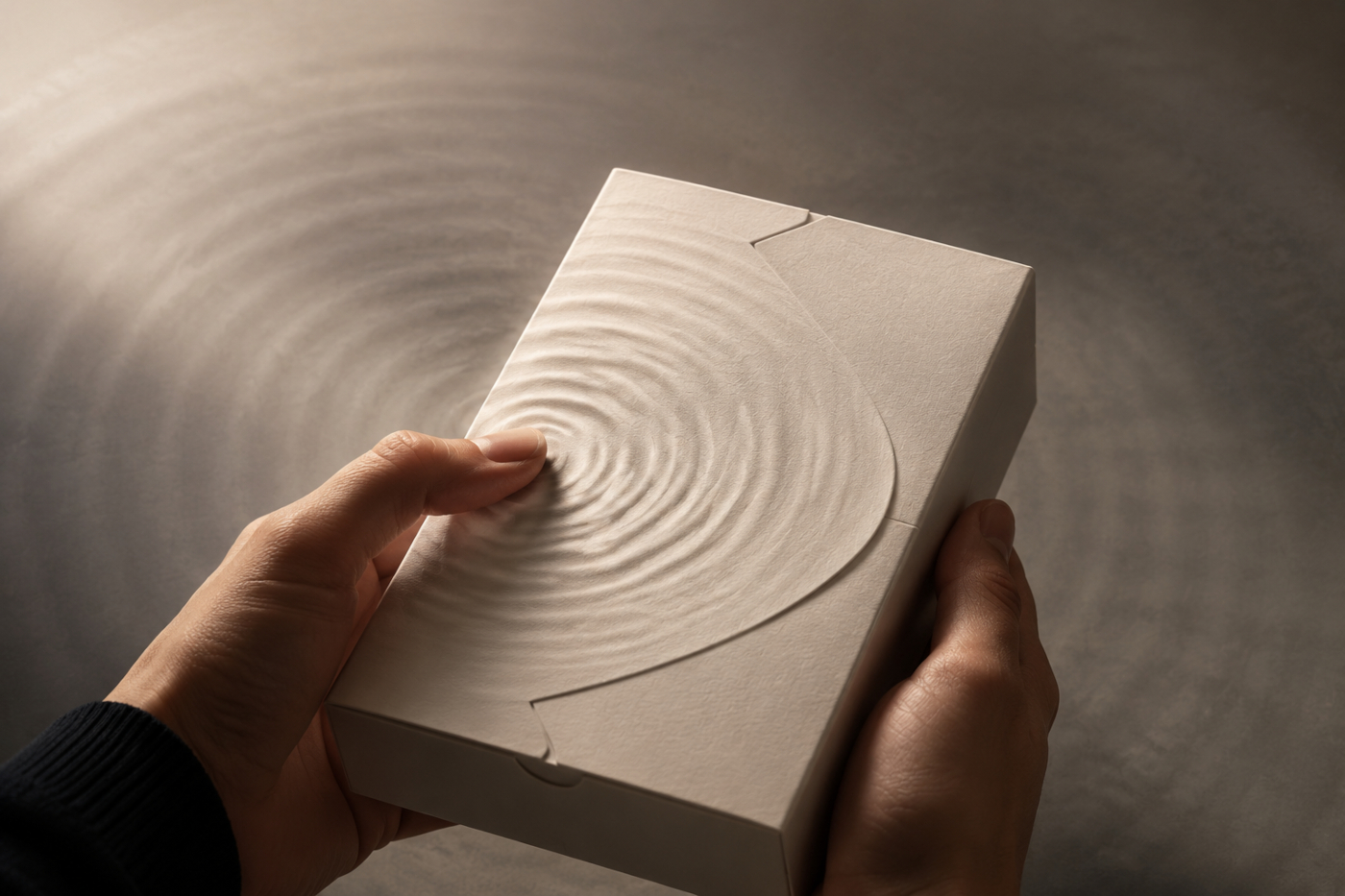
One of my favorite moments in any project happens long before production begins. It’s when a client first holds a prototype in their hands.
Until that moment, the package has existed as sketches, samples, die lines, and conversations. Suddenly, it has weight. Texture. Structure. It feels different than it did on a screen. It opens a certain way. It catches the light differently than anyone imagined.
Almost every client has the same reaction. They turn it over in their hands one more time. They pause. Then they say something remarkably similar: “This is exactly what we wanted people to feel.”
That’s the moment packaging stops being a box, a label, or a container and becomes a consumer’s first experience of the brand.
After years of watching packaging move from concept to production, I’ve come to appreciate how many decisions consumers make before they ever experience the product itself. Consumers rarely separate the package from the product. Long before they discover what’s inside, they’re already deciding what the brand says about quality, care, and credibility.
Think about the last time you discovered a new product. Before you read the ingredients, understood the formulation, or experienced the product itself, you had already started forming opinions. Was the package thoughtfully designed? Did it feel substantial? Did it draw you in? Was the experience intuitive?
Those impressions happen almost instantly. In just a few seconds, consumers begin evaluating whether a product feels credible and worth exploring. Those early impressions create expectations the product inside has to meet.
Packaging communicates long before anyone reads the label. Every material, finish, and structural decision quietly shapes what consumers expect. A 2018 Ipsos poll conducted on behalf of the Paper and Packaging Board found 72 percent of Americans said packaging design often influenced their purchasing decisions, underscoring the importance of those first impressions.
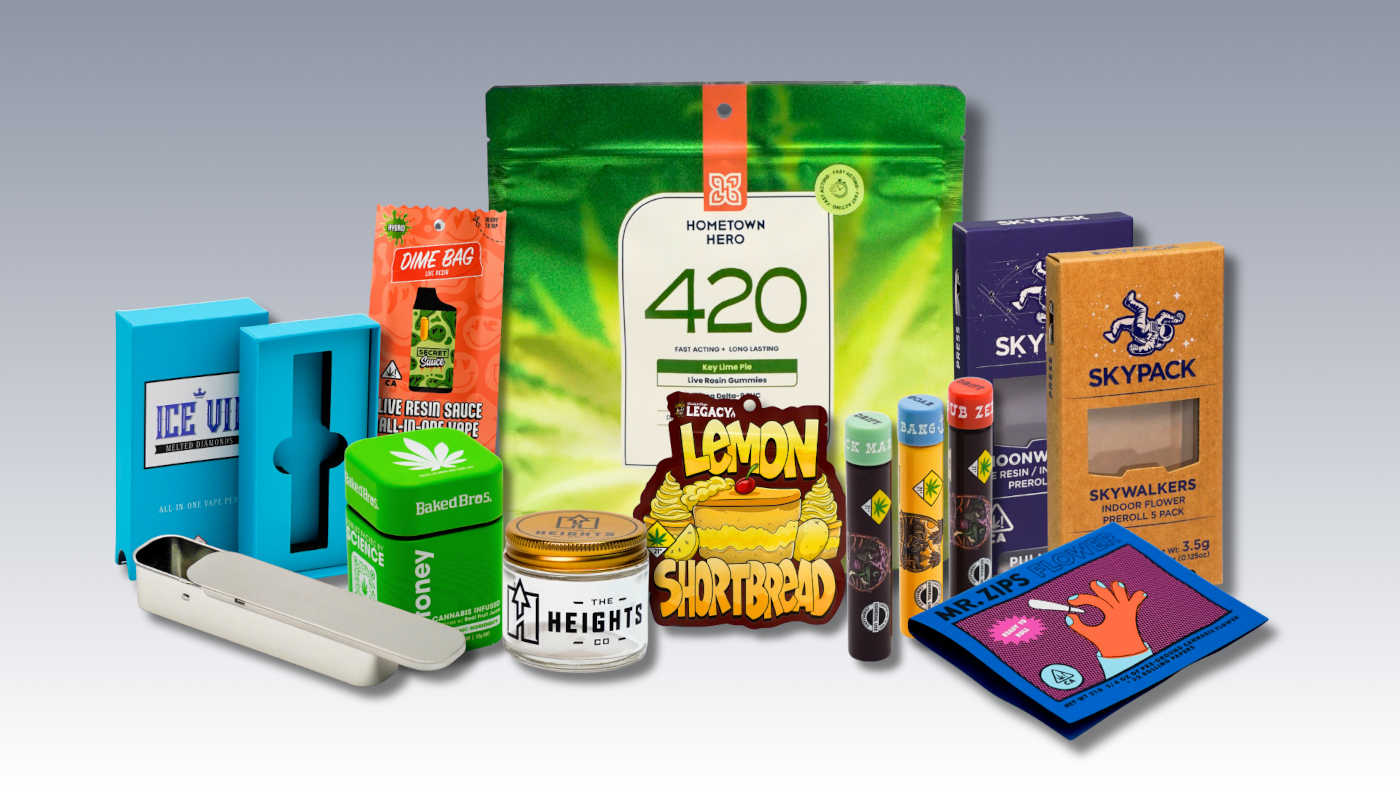
That’s especially true of cannabis product packaging, because consumers often are evaluating unfamiliar brands, new product formats, and increasingly sophisticated retail environments. While the industry has matured dramatically over the past decade, one reality hasn’t changed: Consumers continue looking for signals they can trust. Thoughtful packaging can be one of the strongest signals they receive.
Packaging is brand positioning
Early in my career, I was drawn to the creative side of packaging. I loved bold ideas, interesting structures, and the excitement of seeing something completely new come to life. Over time, though, I realized creativity is only part of what makes packaging successful. The packages that stay with me aren’t necessarily the most elaborate. They’re the ones where every decision supports the same promise.
Many people think packaging’s only job is to attract attention. I don’t see it that way. Packaging is brand positioning.
I’ve watched beautifully designed packages struggle because they created expectations the product couldn’t meet. I’ve also watched simpler packaging succeed because every detail honestly reflected the brand and the experience inside. At its best, packaging isn’t trying to convince someone of something that isn’t true. It’s introducing consumers to what’s already there.
Consumers rarely stop to analyze why one package feels more trustworthy than another. They don’t consciously score the weight of the material, the ease of opening, or the consistency of every design decision. They simply know when an experience feels intentional. Those details may seem small on their own, but together they create confidence.
People may not remember every design decision, but they almost always remember how a product made them feel before they ever used it.
Whether packaging designers are helping a vape brand communicate precision through clean structural design or creating a premium opening experience for an infused gummy product, the goal is the same: Every detail should reinforce what the consumer expects to find inside. When the package and the product tell the same story, consumers notice. When there’s a mismatch, they notice that, too.
Start with the consumer
I’ve also learned that the best packaging conversations begin with questions about the consumer.
Who will buy the product? How should they feel the first time they pick up the package? What should the opening experience communicate? How can every detail reinforce the brand’s promise?
Those conversations shape every decision that follows, from structural design and materials to manufacturing and finishing details. When all those choices support the same promise, the consumer experiences something that feels complete, intentional, and authentic.
As packaging technologies evolve, brands have an opportunity to think differently about the role packaging plays in the customer experience. The conversation shouldn’t begin with what looks impressive on a shelf. It should begin with what builds confidence in someone’s hands.
The product experience doesn’t begin when the package is opened. It begins the moment someone decides the package is worth picking up.
Products earn loyalty by delivering on their promises. Thoughtful packaging simply gives consumers their first reason to believe those promises are worth trusting.

Kary Radestock is executive director of strategy and business development at Treeform Packaging Solutions, bringing more than three decades of experience in high-end printing and packaging manufacturing. She previously founded and led Hippo Packaging and now works with brands to turn creative ideas into thoughtful packaging solutions that balance brand vision, consumer experience, and production realities.