

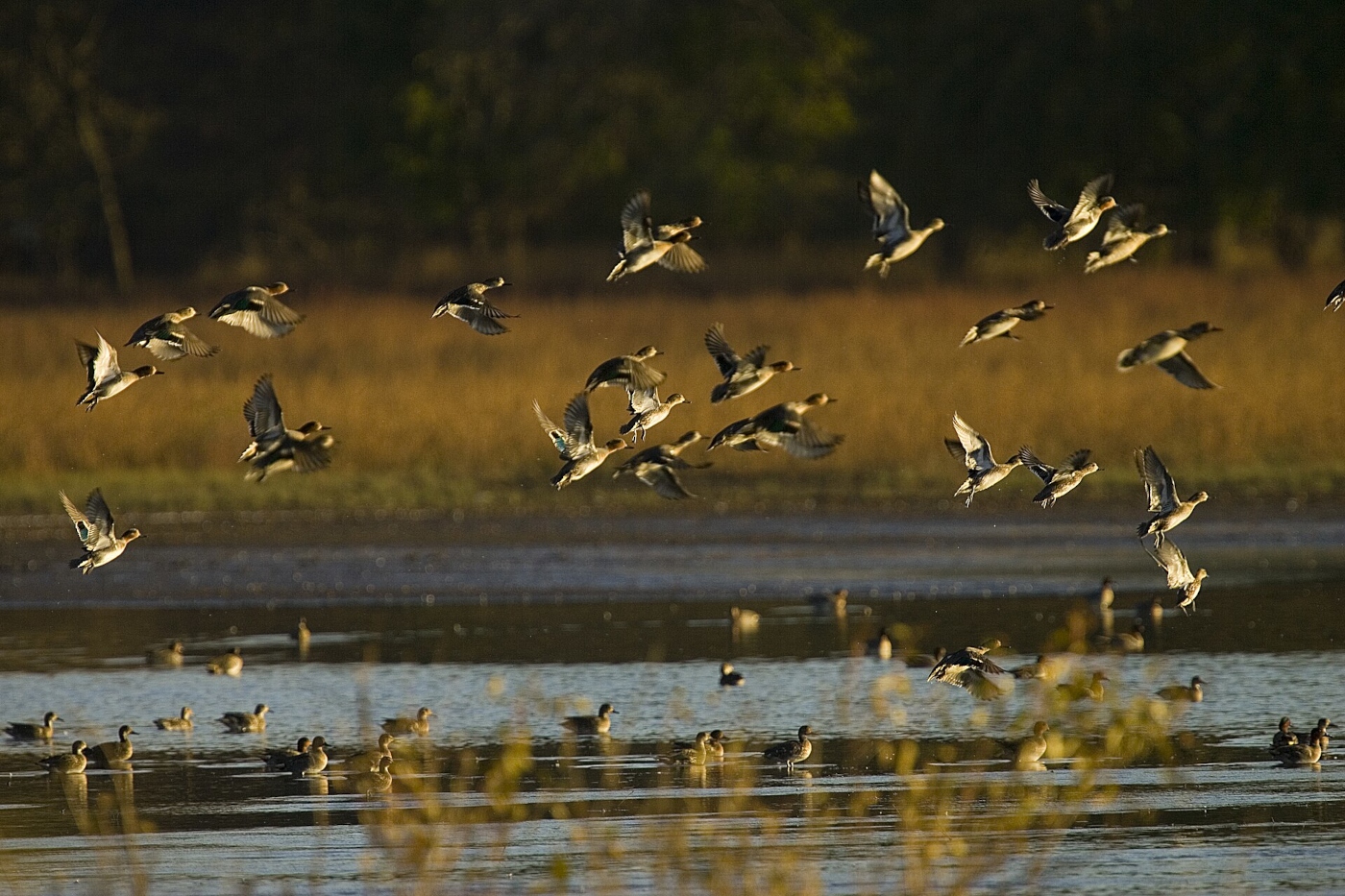
For many cannabis consumers, the outdoors is part of a larger way of life. Hiking, fishing, camping, paddling, hunting, and simply spending time in nature contribute to the quality of life they value.
As the legal cannabis market matures, I believe that connection creates both an opportunity and a responsibility for cannabis businesses. Beyond providing quality products and satisfying customer experiences, cannabis operators can support the communities and natural resources that make those experiences possible.
In an increasingly competitive marketplace, consumers are paying close attention to how businesses engage with their communities. They want to support companies that stand for something beyond sales. For cannabis operators, conservation and environmental stewardship represent an authentic way to demonstrate that commitment while creating meaningful impact close to home.
Why conservation resonates with cannabis consumers
Many industries search for causes that align naturally with their customers. For cannabis, conservation deserves serious consideration.
In a survey of adults in Colorado and California, BDS Analytics, now BDSA, found found cannabis consumers were more likely than people who rejected cannabis to say they enjoyed outdoor recreation. In Colorado, the figures were 50 percent and 36 percent, respectively; in California, they were 57 percent and 26 percent. The data are dated and limited to two states, but they help illustrate an affinity many cannabis businesses see among their customers: Those who enjoy cannabis also value parks, trails, rivers, public lands, and natural spaces, and they understand these resources require ongoing protection and stewardship.
At the same time, today’s consumers increasingly expect businesses to be active participants in their communities. They want to know where companies invest their time, resources, and attention. While product quality and customer service remain essential, many purchasing decisions also are influenced by a company’s values and actions.
The most effective community initiatives are those that feel authentic rather than transactional. Conservation efforts resonate because they create visible benefits for customers, employees, and communities alike. When businesses help preserve local waterways, wildlife habitats, or outdoor spaces, the impact is tangible and long-lasting.
Turning values into action
In Missouri, we have embraced this philosophy through our partnership with Great Rivers Habitat Alliance (GRHA), which works to protect the floodplains, wetlands, and natural habitats that support the health of the Mississippi and Missouri River systems. These environmental resources are not only critical to wildlife and ecosystems; they also help protect communities from flooding and preserve outdoor spaces that generations of Missouri residents and tourists have enjoyed.
The connection is personal for me: My father was a co-founder of GRHA. I grew up witnessing how deeply a prominent local business can become connected to the identity of its community. I also learned that being part of a community requires more than selling products or writing an occasional check.
Current Cannabis’s decision to support the organization was driven by a simple belief: Businesses should contribute to the communities and environments that support them. Like many successful local businesses, Current Cannabis benefits from being part of a vibrant region with strong communities and abundant natural resources. Supporting conservation efforts is one way we can help ensure those resources remain available for future generations.
After we celebrated our first anniversary in August, Current donated $1,000 to GRHA. That contribution was a modest beginning, not evidence of sweeping environmental impact. We intend it to mark the start of a continuing relationship with an organization whose mission aligns with the values of our team, customers, and community. Our team looks forward to supporting GRHA for the long haul.
Avoiding the greenwashing trap
As sustainability and environmental responsibility become more prominent business topics, companies face a growing challenge: how to support meaningful initiatives without appearing performative. Consumers are increasingly sophisticated. They quickly recognize the difference between genuine engagement and marketing-driven greenwashing.
Credible conservation partnerships tend to share several common characteristics.
They are local
Customers are far more likely to connect with initiatives that directly impact the communities where they live, work, and recreate. Local organizations also understand the area’s needs and can direct resources where they will be most useful.
They are long-term
Writing a one-time check may generate publicity, but lasting partnerships create lasting impact. Businesses should think about how they can support organizations over multiple years rather than for a single event or campaign.
They are measurable
Companies should be able to clearly articulate how their support contributes to specific outcomes, whether that involves habitat preservation, restoration projects, volunteer participation, or educational programs.
They are authentic
Businesses should support causes that genuinely align with their values, employees, customers, and communities rather than chasing whatever issue happens to be generating attention at the moment.
The business case for conservation
Some executives view conservation partnerships primarily as charitable initiatives. While the goal should never be to treat conservation as a marketing campaign, there are meaningful business benefits associated with conservation efforts.
Strong community partnerships help build trust and goodwill. They provide opportunities for employee engagement and strengthen company culture. They create meaningful stories that differentiate brands in crowded markets. And they reinforce a company’s commitment to being a responsible member of the community.
In cannabis, where businesses continue to work toward broader public acceptance and legitimacy, these relationships can be especially valuable. Supporting respected local organizations demonstrates that cannabis companies are invested in the long-term success of their communities and committed to making positive contributions beyond their core business operations.
Companies that consistently demonstrate genuine community leadership often earn stronger customer loyalty and deeper community relationships as a result.
Looking ahead
As the cannabis industry evolves, I believe operators have an opportunity to redefine what corporate responsibility looks like within the sector.
That does not mean every company needs to support the same causes. The most impactful initiatives will reflect the unique needs and priorities of each community. For some businesses, that may involve conservation and environmental stewardship. For others, it may mean supporting veterans, education, public health, or economic development initiatives.
What matters is making a meaningful commitment and following through.
For us, supporting conservation efforts through the Great Rivers Habitat Alliance reflects our belief that businesses should contribute to the places they call home. The health of our communities is connected to the health of our natural resources, and protecting both is a responsibility that extends beyond any single industry.
Cannabis companies have spent years working to establish themselves as trusted members of their communities. Conservation partnerships offer an opportunity to reinforce that trust while creating measurable benefits for future generations. That is a responsibility, and an opportunity, worth embracing.

Adolphus A. Busch V is chairman and chief executive officer of Teal Industries, a medical and recreational cannabis company located in St. Louis. He also is the founder of Missouri cannabis brands including Teal Cannabis, High Five Cannabis, ABV Cannabis, and retail dispensary Current Cannabis.