






Cannabis packaging performs many functions. In addition to protecting products, packaging must clearly identify what’s inside, satisfy regulatory requirements, and convey information about safe storage and use.
Packaging also provides opportunities — chief among them, the opportunity to leave a lasting impression on consumers, many of whom now prefer products that fit seamlessly within their lives. Whether it’s a compostable container that aligns with their sustainability focus, a minimalist label that blends into their nightstand aesthetic, or a box that elevates the ritual of consumption itself, packaging has become a strong emotional touchpoint for consumers, and brands are listening.


From wellness-inspired elegance to stealth activism disguised as countertop chic, cannabis brands are rejecting tired stoner tropes in favor of something more refined, and in turn, more real. According to Angela Pih, founder of strategic marketing firm Point Brand, “There’s still a market for the stoner-bro vibe, but when we think about how to grow the industry, it’s about how cannabis fits seamlessly into your everyday lifestyle.”
In an oversaturated market, the loudest voice doesn’t always win. Instead, consumers are gravitating toward clearer, cleaner, and more considered. That’s why a new wave of creators is elevating packaging into a storytelling medium that reflects identity, values, and a deeply personal connection to the plant.
Packaging as experience
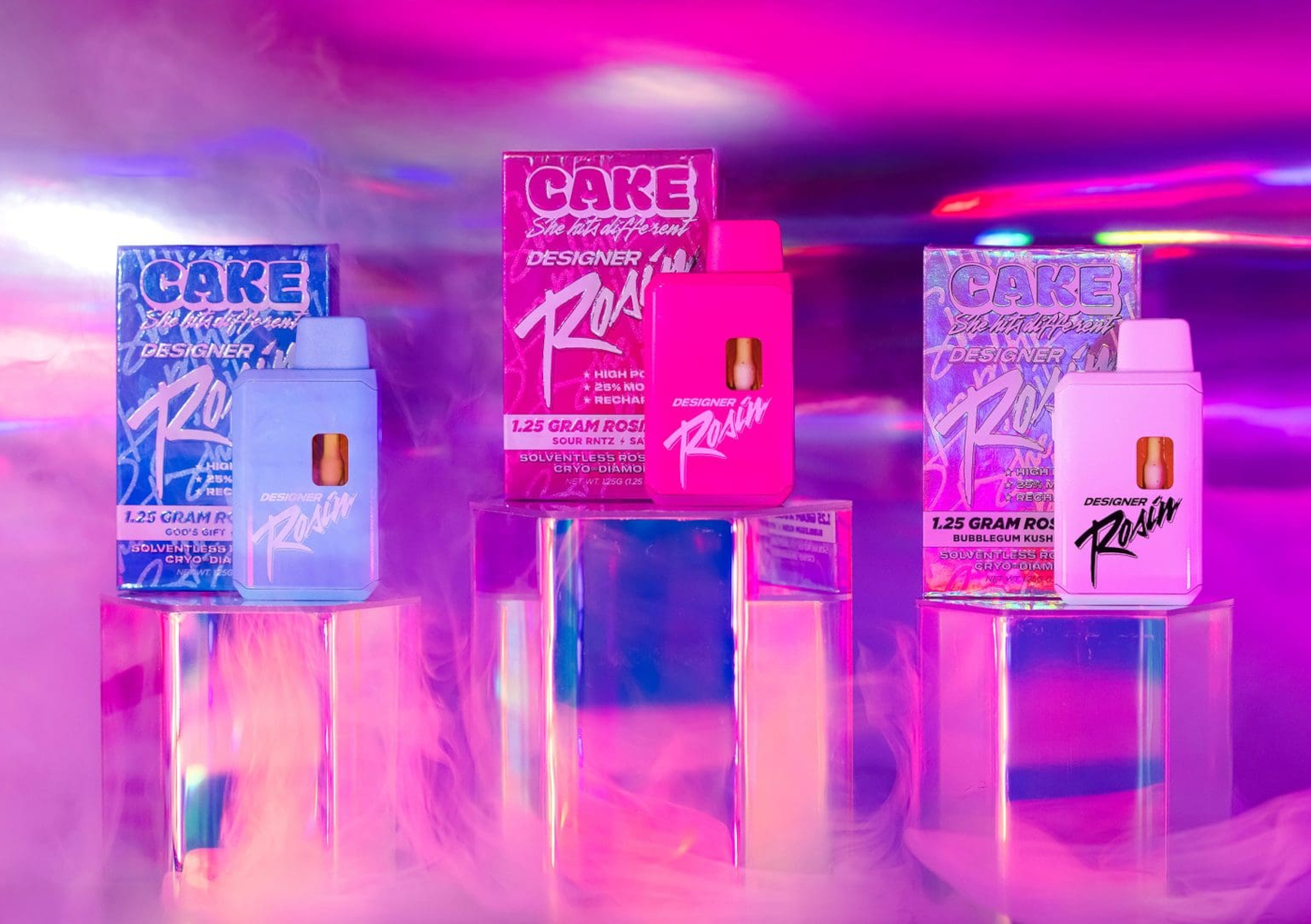
At CAKE She Hits Different, packaging is far more than a product container. Co-founder and Chief Executive Officer Chloe Kaleiokalani considers the exterior trappings the start of the experience. She creates packaging that invites customers into a visually rich, emotionally resonant world. From vibrant colors to playful, space-inspired graphics, CAKE’s branding is crafted to feel cohesive, intentional, and alive.
“I tend to be obsessive about designing a cohesive, high-end look, where every color, format, and artwork is meticulously chosen,” Kaleiokalani said. “For me, packaging is so much more than a container; it’s a statement that sets the tone for the entire CAKE experience. And I want that statement to spark joy, curiosity, even a little thrill before our customers touch the product, making the act of opening a CAKE product feel special, like a moment of connection to something vibrant, premium, and uniquely us.
“Then, some people rip open our boxes like godzilla in Tokyo, and that’s cool too,” she added.
This is design as storytelling: immersive, premium, and unmistakably associated with the brand. CAKE’s visual identity is unapologetically feminine, boldly setting products apart in an industry overrun with masculine cues. Rather than catering to the masses, CAKE embraces a strategy of magnetic authenticity, and the result is an instantly recognizable packaging experience. The brand relentlessly pursues a goal of emotional resonance, and in an industry often devoted to the status quo, this is a strong differentiator.
Lessons from CPG
Cannabis stigma may not be entirely dead, but it’s on its last legs. Today’s consumers don’t hide their products anymore. Instead, they want cannabis displayed, integrated, and celebrated. So, taking cues from skincare, supplements, and craft beverages, consumers gravitate toward cannabis products that feel like they belong out in the open.
Brands that embrace the design standards of high-end consumer packaged goods (CPG) are finding a powerful edge. Well-designed packaging doesn’t just look good; it also communicates quality and care. A brand’s packaging is its ambassador, reflecting the thought put into the product within and subtly reinforcing consumer trust before they’ve even cracked the seal.
“Packaging is part of the marketing mix, especially in cannabis,” said Pih, who has led CPG strategies across industries from cosmetics to cannabis. “Today’s consumers aren’t choosing brands with packaging that looks like weed. Cannabis is a functional plant that can help you live a more vibrant life, so I don’t think to myself, ‘How do I brand a product for weed?’ I think about branding another piece of your wellness routine — something that looks like everything else you pick up at Target for your medicine cabinet or nightstand.”
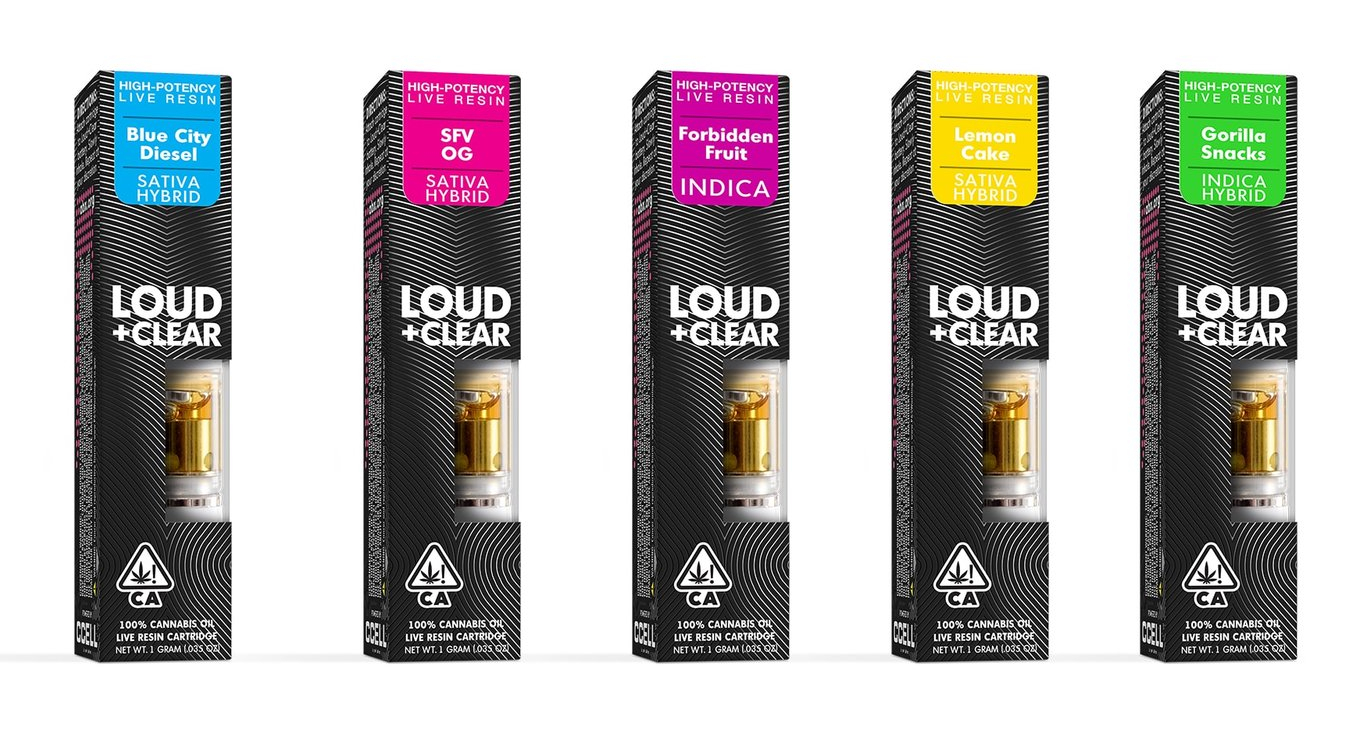
Her work with companies like Autumn Brands, Papa & Barkley, and Loud+Clear demonstrates this lifestyle-driven, wellness-integrated approach resonates not only with longtime consumers but with the canna-curious, too.
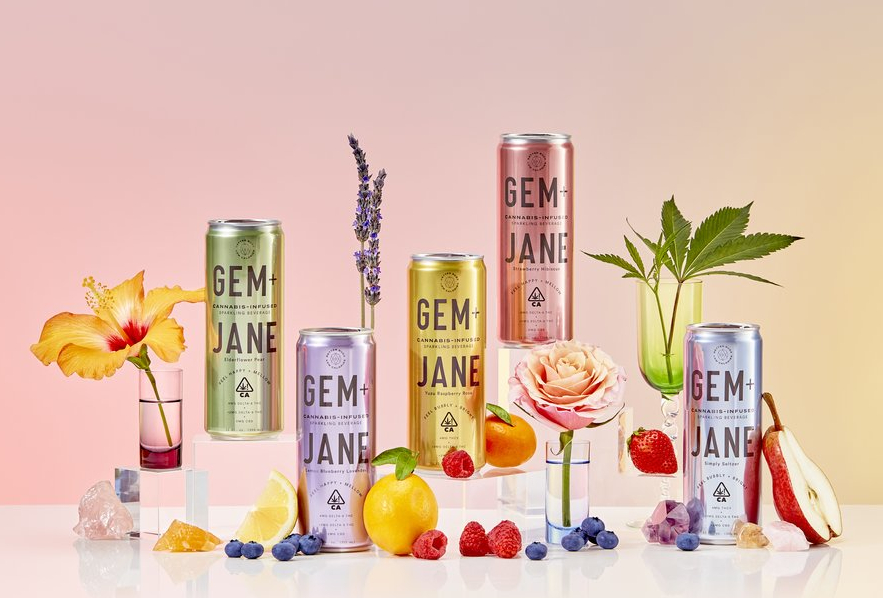
“Gem + Jane, which is created by an all-women team, is another powerful example of packaging that stands out really well at the dispensary,” Pih said. “When you’re drinking a can at brunch, it doesn’t scream ‘weed.’ That’s sort of my stealth activism in creating and building brands within our space, because as we think about destigmatizing, then cannabis should really fit into everything else. Packaging design is a major part of the arsenal.”
Stealth activism
This is what Pih means by “stealth activism”: branding cannabis like it has always belonged. It’s the Trojan horse effect — pulling people in with beauty, intention, and familiarity, then showing them how cannabis should always have been part of the everyday wellness equation.
Pih doesn’t suggest hiding the plant or being deceitful but instead normalizing products through design, storytelling, and thoughtful placement as a means of elevating cannabis from taboo to trusted. For brands targeting Gen Z and canna-curious consumers, education and aesthetic must go hand-in-hand. Those two demographics, in particular, want a lifestyle they recognize, values they align with, and information that empowers their choices.
And when the ritual of consumption is presented with care — from how the box opens to the weight of the bottle to the design of the label — that ritual becomes a moment, a statement, and a story.
“When you walk into a dispensary, you’re faced with a plethora of products, and you don’t know which is credible or which is just there,” Pih said. “That being said, I’ve heard a lot of consumers gravitate toward brands they respect — that look intentional in what they do.
“And when you think about the top three reasons consumers turn to cannabis — sleep, anxiety, and pain — well, that’s all part of living well,” she continued. “I see it less as medical-versus-recreational and more ‘does it help you feel better? Does it help you chill out and have fun? Does it help you connect with other people because you’re less anxious and more at peace?’ Try to think about it from the context of who your consumer is and what they’re looking to solve when they’re shopping. Then, you can position your brand as one that really understands them and their needs.”
Sustainable sells
Sustainability is a core pillar for many cannabis brands. HoneyProjects CEO Jeffrey Miller understands why.
“In New Jersey, we’re seeing sustainability and values-based choices gain traction with customers,” he said. “People are starting to ask about recyclable packaging and are drawn to compelling stories around environmentally sensitive practices. Production methods like living soil and organic cultivation are taking root at the product level, with sustainable packaging close behind. We believe the next chapter of cannabis in New Jersey will see deeper engagement with brands that tell authentic, values-driven stories that not only resonate with customers but also elevate the quality of their cannabis experience in meaningful ways.”
In a market that’s still defining itself, details like sustainability from seed to after-sale matter.
“It can be incredibly challenging to achieve sustainability in the cannabis vape market due to the strict [California Department of Cannabis Control] regulations, but we don’t let that stop us from taking steps in the right direction,” CAKE’s Kaleiokalani said. “We’re proud to be making meaningful moves. Our updated Designer Distillate packaging decreased paper use by about 70 percent and decreased plastic use by about 50 percent. Other initiatives we’re pursuing include developing recycling programs that work within state regulations, exploring innovative sustainable materials, and expanding product lines that naturally require less packaging, like flower.”
Story-first merchandising
At HoneyProjects, shelf impact and emotional connection are inseparable, and the brand philosophy centers on connecting independent producers who care deeply about their craft with consumers discovering how that impacts the consumer experience.
“We often introduce smaller brands without big marketing budgets or widespread recognition, which adds responsibility to how we curate our shelves, screens, and spaces,” Miller said. “That way, we create visual and physical merchandising that tells stories. We’re committed to evolving storytelling content, positioning merchandising in harmony with brand narratives to help these brands build passionate communities and advocates, even on modest budgets.”
A portal to the brand
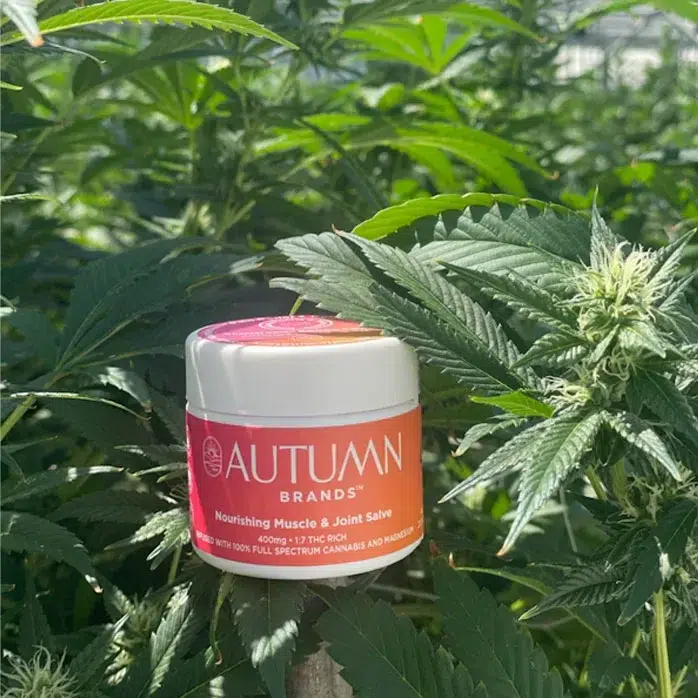
In many ways, packaging has become a portal: a tactile invitation into a brand’s world and a reflection of the energy behind the product. Whether reflecting sleek minimalism, radiant femininity, or earth-first materials, great design makes consumers feel seen, inspired, and connected.
“People are craving fresh energy in the cannabis space — something soulful, intentional, and infused with a feminine touch,” Kaleiokalani said. “Up until now, the industry has been dominated by a masculine aesthetic. CAKE is the antidote. I believe we are delivering the right vibe at the right time, and I feel that is a major factor in CAKE’s success.”
For all the innovation happening in cultivation and formulation, it’s often the packaging that sparks trust. As unboxing culture continues to thrive, so does the importance of creating a moment, not just a product. Today’s cannabis consumers are curating their lives with intention: seeking brands that echo their values, elevate their rituals, and bring a little beauty to the everyday.
Now is the moment for cannabis brands to view packaging not as a cost center, but as a creative opportunity — a vehicle for storytelling, sustainability, and soul. When done well, packaging becomes a quiet form of advocacy for the plant, the planet, and the people who experience cannabis with purpose.
Unboxing the Big Questions
Today’s cannabis packaging does a lot more than hold product. Here’s what’s driving the shift — and why it matters.
Why is cannabis packaging important for brands?
Cannabis packaging is more than just protection. It’s also a key branding tool that helps companies stand out, convey values, and connect emotionally with consumers.
How is cannabis packaging evolving?
Modern cannabis packaging focuses on sleek design, sustainability, and storytelling. Brands are moving away from outdated stoner tropes in favor of aesthetics that align with wellness, lifestyle, and trust.
What role does packaging play in cannabis marketing?
Packaging is a silent brand ambassador. It communicates quality, builds credibility, and shapes first impressions — often before a consumer even tries the product.
Why is sustainability important in cannabis packaging?
Consumers increasingly prioritize eco-conscious choices. Brands using recyclable materials and minimal packaging can appeal to environmentally aware shoppers and differentiate in a competitive market.
How are cannabis brands using design to reduce stigma?
Many brands adopt minimalist or wellness-inspired packaging that blends in with everyday products. This “stealth activism” approach helps normalize cannabis as part of a modern, healthy lifestyle.
Related Articles:



[…] Packaging: The Trojan Horse of Cannabis Branding – mg Magazine – https://mgmagazine.com/business/marketing-promo/packaging-the-trojan-horse-of-cannabis-branding/ […]