
When the Future Nutra Foundation released its independent testing report on hemp-derived THC beverages, the results understandably generated headlines. Of the 21 products tested, only four — 19 percent — contained THC within 90–110 percent of their labeled potency. More than half delivered less than 80 percent of the advertised dose.
For a consumer buying a 10mg beverage, those findings are concerning. Consumers should be able to trust the product they’re purchasing will deliver the experience they expect.
But the report also exposes a larger problem with how our industry approaches testing, and it extends well beyond hemp beverages: We’re playing a game without referees.
Where did the THC go?
Future Nutra purchased finished products at retail and tested the liquid inside the cans. That’s an entirely reasonable approach to evaluating what consumers actually receive.
What the results cannot establish is where the missing THC went.
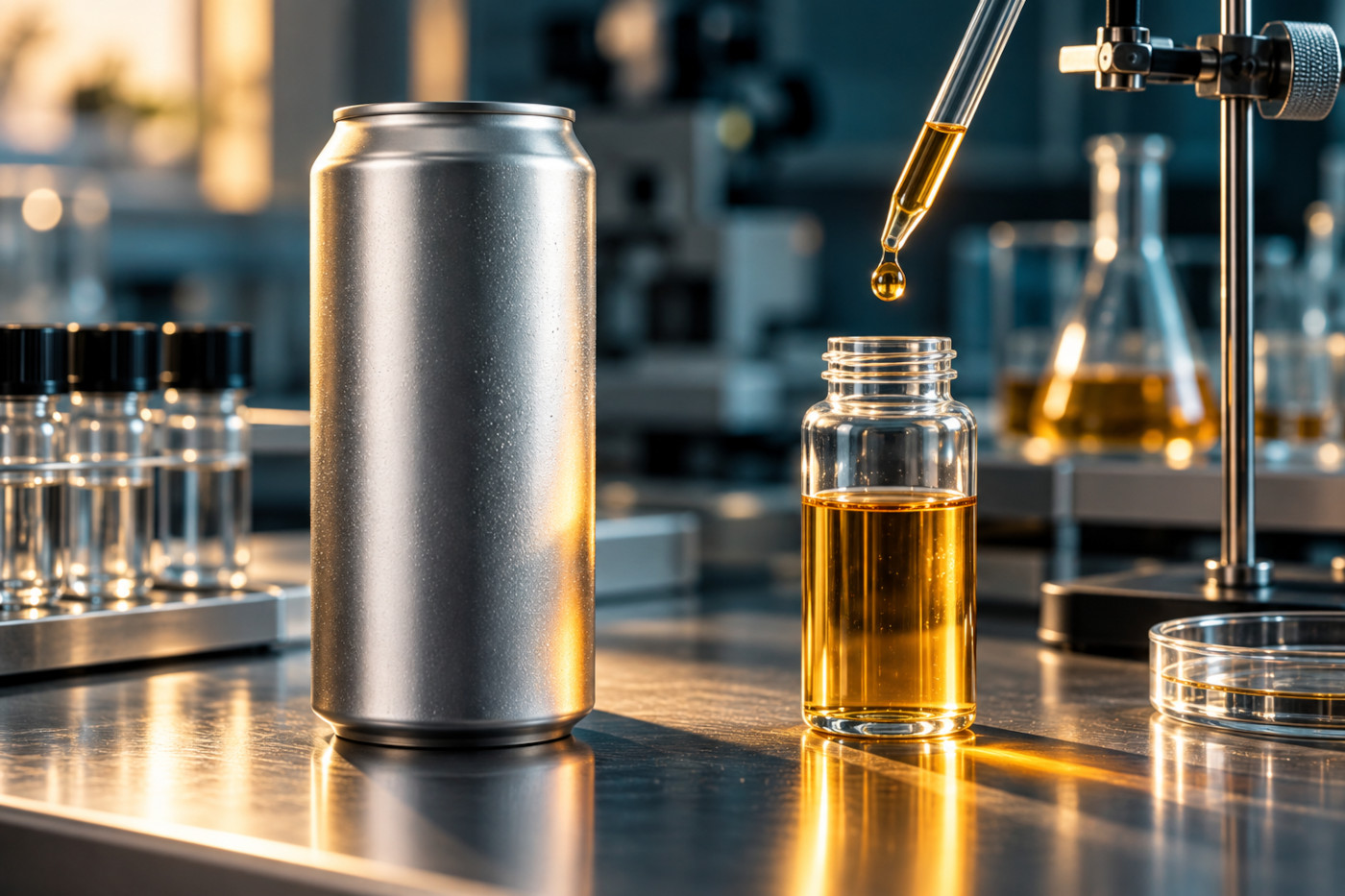
Cannabinoids are oil-based compounds being delivered in a water-based product. That makes emulsion stability, processing conditions, packaging compatibility, and shelf life critically important. One particularly challenging variable is the can liner.
THC is lipophilic, meaning it has an affinity for fats and certain hydrophobic materials. Depending on the formulation and packaging, cannabinoids can migrate into the protective polymer lining inside an aluminum can. This process, known as scalping, can reduce the amount of THC remaining in the beverage over time.
Imagine a manufacturer fills a can with a beverage containing 10mg of THC. Six months later, testing finds just 2mg in the liquid. A solvent rinse of the can liner might recover some or all of the THC no longer detected in the liquid.
A laboratory using that recovery method could report a substantially different potency result than one testing only the liquid.
Both measurements can provide useful information, but they answer different questions. The consumer isn’t going to wash the can liner to recover the remaining THC. They’re going to drink the beverage.
That’s why manufacturers need to understand where cannabinoids are going, and laboratories need to be clear about what their results actually represent.
The missing referee
Another finding in Future Nutra’s report deserves closer examination: The organization initially used four laboratories but excluded one from its published averages after determining its results were an extreme outlier.
Why did that laboratory produce such different results?
We don’t have enough information to know. Different analytical methods, calibration practices, or reference standards all could contribute to variability.
This brings us to a fundamental challenge in cannabis testing. A reference standard isn’t simply a set of rules. It’s a physical material laboratories use to calibrate instruments and measure compounds such as delta-9 THC. Differences in reference materials, analytical methods, and calibration can contribute to different reported results from the same product.
The industry needs consistent, certified reference materials, harmonized testing methods, and independent mechanisms for verifying laboratory performance.
In established food and beverage testing systems, regulatory frameworks and validated analytical methods provide a foundation for consistency. Cannabis testing remains fragmented across jurisdictions, leaving room for variability that complicates comparisons between laboratories.
Without greater standardization, we’re asking laboratories to measure the same products while potentially using different yardsticks. That undermines confidence in testing results and creates opportunities for potency shopping, where operators select laboratories based on favorable results rather than analytical accuracy.
Test the product throughout its life
Standardization is only part of the solution. Manufacturers also need to recognize that a certificate of analysis generated during production cannot guarantee potency months later.
A beverage might meet its target in the formulation tank but lose potency during pasteurization, packaging, transportation, or storage.
The only way to identify where things go wrong is to test throughout the process: before filling, immediately after filling, around heat processing, and at defined shelf-life intervals, including 30, 60, and 90 days. Those results can help determine whether the problem originates with the emulsion, processing conditions, packaging, or longer-term stability.
Michigan’s regulated cannabis market has already established a framework for stability testing of infused products. Its approach demonstrates beverage manufacturers can be held to more rigorous product-development and verification requirements before bringing products to market.
We should be building on those approaches rather than treating testing as an expense to minimize.
Regulation can build consumer trust
As federal lawmakers consider the future of hemp-derived THC products, the industry has an opportunity to advocate for a regulatory framework that addresses these problems directly. That means clearly defined potency tolerances, validated methodologies, certified reference materials, and meaningful shelf-life testing requirements.
Manufacturers have responsibilities, too. Qualify your vendors. Ask emulsion providers for stability data. Verify packaging compatibility. Work with laboratories during R&D instead of bringing them in only when a compliance test is due.
Yes, that costs money. But so does discovering your product no longer meets its label claim after thousands of cans have entered distribution.
This isn’t exclusively a beverage problem. The need for reliable, standardized testing extends to gummies, flower, vape cartridges, and other cannabis and hemp products. Future Nutra’s findings should be a catalyst for that conversation. The organization identified a legitimate consumer concern, and the industry should take it seriously.
A consumer purchasing a 10mg beverage shouldn’t need to understand cannabinoid chemistry, can-liner compatibility, or laboratory calibration. They simply want a product that consistently delivers what the label promises.
It’s our responsibility to make sure it does.

Austin Stevenson is chief revenue officer at ACT LAB, a private-equity-backed, multistate testing and compliance laboratory network. As co-founder of Vertosa, he helped develop emulsion technologies that made cannabis-infused beverages and edibles commercially viable at scale. Prior to that, he leveraged bio-tech experience building the regulatory hemp/CBD testing program for Eurofins. Stevenson is also a former management associate for Citi, where he worked to fund minority- and women-owned businesses.