


A giving program lasts when it has a dependable funding model, measurable results and a purpose that keeps its people connected through difficult years.
When we closed the first quarter of our Be.Social Community giving program in 2022, the donation fund held about $1,100. The total could have looked too small to matter, but from an operator’s perspective, it proved the funding mechanism worked.
Four years later, Be.Social Community has directed $143,789 to at least 13 local nonprofits. The program has funded hunger relief, cancer and health programs, veterans services, and other neighborhood needs. We’ve made a donation every quarter since the program began.
Thousands of ordinary transactions turned a small contribution into meaningful support. That experience changed how I think about philanthropy as a cannabis executive and taught us several lessons other operators can use.
Build giving into everyday business
My career in finance and operations taught me good intentions alone won’t sustain community investment. Good intentions matter, but longevity depends on authentic, disciplined execution. A giving initiative needs a dependable funding model, accountable operators, measurable results, and enough flexibility to keep working when market conditions get difficult.
A community program becomes vulnerable when its budget depends on what remains at the end of a quarter. Industry volatility makes giving harder to sustain, so at Social Dispensary we built contributions into eligible sales with brands that share our values. That gives us a commitment we can plan for and honor even when sales slow.
Here’s how it works: When a customer buys an eligible product from one of our retail brand partners, Social Dispensary contributes 25 cents and the participating brand contributes another 25 cents. That 50-cent contribution goes into a quarterly fund for a local nonprofit. For consumers, participation requires no registration, added donation, or change in shopping habits.
The amount is intentional and gains power through volume. During the past year, customers bought more than 160,000 participating units, and eligible products accounted for nearly one-quarter of our packaged-goods sales. The initiative now includes almost 1,800 products from 14 brand partners across Colorado and New Jersey.
The partnership gives us a way to work with brands on something beyond price, shelf placement, and promotions. A recent curated box featuring Wana and Seed & Smith products increased quarterly donations by 21.4 percent.
The lesson here is to start with an amount your company and its partners can honor over the long term. (My advice: Start low; go slow.) A dramatic pledge may attract more attention, but a consistent commitment built into the business is more likely to survive a slow month or a difficult year.
Measure the relationship without overstating it
As a chief executive, I evaluate how the initiative affects both the community and the company. Measuring the results keeps us accountable while protecting the nonprofit relationship from becoming a sales claim. However, it is safe to say consumers are responding to Be.Social and the initiative does help build brand loyalty.
Customers who purchased products from Be.Social partners represent 36.8 percent of our customer base but generate 56.8 percent of revenue. Fifty-four percent return for another visit, compared with 33 percent of customers who have never bought a participating product. They visit roughly twice as often, spend about 30 percent more and return in a median of 76 days, compared with 123 days for other customers. We see a similar pattern in communications. Emails about Be.Social average a 56.1-percent open rate, compared with 42.1 percent for promotional and product-focused e-blasts.
Operators should measure donation totals, customer participation, repeat visits, campaign performance, and partner engagement. Those data points show whether the initiative is reaching people, earning attention, and remaining healthy enough to continue.
Make the impact concrete
A dollar total becomes meaningful when people understand what it supports. Be.Social’s nonprofit partners have included Community Food Share, a food bank serving Colorado’s Boulder and Broomfield counties. The bank distributes more than 27,000 meals a day. First Descents, another beneficiary, provides outdoor adventures for young adults affected by cancer and other serious health conditions. Through Parker’s Platoon, funding has supported programs for veterans, including mental health and peer support.
We talk about these nonprofits with employees, customers, and brand partners so they can see where the money goes and whose work they are helping to sustain.
We choose partners with causes close to the business and community that touch both customers and our employees. Our budtenders have family members with cancer. Your neighbor may be among the one in eight Coloradans who are facing food insecurity.
If you’re considering initiating a philanthropic program, ask the local community, staff, and friends how they would like to make a difference. Then, report the contribution clearly and let the nonprofit explain the work in its own terms.
Give employees a reason to stay engaged
The impact matters inside the company, too. Every employee, including the leadership team, has hard days. Retail demands, regulatory challenges, and legal pressures can leave a team exhausted. Seeing what Be.Social makes possible gives us a shared win beyond the day’s sales. It reminds us why we built this company and helps us stay committed when the work gets difficult.
I saw something similar at the tax resolution firm where I led finance and operations. The work involved long hours and difficult cases. The firm’s charitable foundation gave us something we felt proud of outside the daily grind. Be.Social does that for Social Dispensary’s team now. The causes we support give us a common goal, something to talk about and celebrate together even during a tough quarter.
If you want a program to endure, bring your employees into it. Ask which local needs resonate with them, show them what their efforts helped fund, and give them room to share those results with customers. That sense of ownership can keep people connected to each other and to the community.
Plan for the stigma attached to cannabis money
Focusing on local nonprofit partners has another benefit: Some large nonprofits still will not accept donations from cannabis entities. Federal prohibition, banking concerns, and lingering stigma can make an organization wary of money from a plant-touching business.
That is why we’ve prioritized relationships with smaller, hyperlocal nonprofits that are comfortable accepting cannabis-funded support. Many are closely connected to the neighborhoods around our stores and can show how each contribution is used. The limitation forced us to be more intentional, but the resulting relationships are more direct and accountable.
Tackle this potential roadblock (and awkward conversation) early by asking about gift-acceptance policies before announcing a campaign. Be candid about the source of the funds. Give nonprofit leaders room to evaluate reputational and funding concerns, because a genuine partnership has to work for both sides.
Keep the promise when the market gets difficult
Cannabis retail is under pressure. Margins are compressed across the industry, capital is expensive, and industry-specific costs strain operators. Those conditions make it tempting to treat community investment as optional, but if serving the community is integrated into your operations, it’s non-negotiable.
When we co-founded Social Dispensary, we wanted to run a disciplined business that put people and community first. Be.Social has given that commitment a structure we can honor quarter after quarter. It also has given our team something to believe in together when the pressures of the business feel heaviest.
When we talk about a company “built for the long haul,” it’s important to talk about what keeps us together, our shared goals, and the wins we can celebrate. Cannabis businesses can initiate philanthropic giving in an imperfect year with a manageable budget. A clear funding structure and reliable partners can turn a modest start into meaningful support.
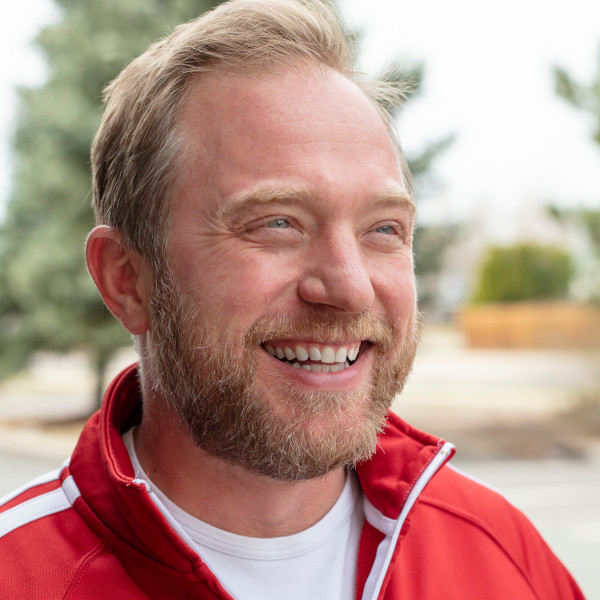
Josh Riggs is co-founder and chief executive officer at Social Dispensary, Colorado’s first social equity licensed cannabis retailer. He leads the company’s vision, growth strategy, and business development and oversees finance, human resources, strategic partnerships, acquisitions, and market expansion. Be.Social, a charitable-giving program, is an integral part of the company’s community-first operating philosophy. Before launching Social Dispensary, Riggs served as chief operating officer for Star Buds, where he helped expand the company into a multistate retailer. Prior to that, he spent nearly a decade in finance and operations leadership at a national tax-resolution firm.