

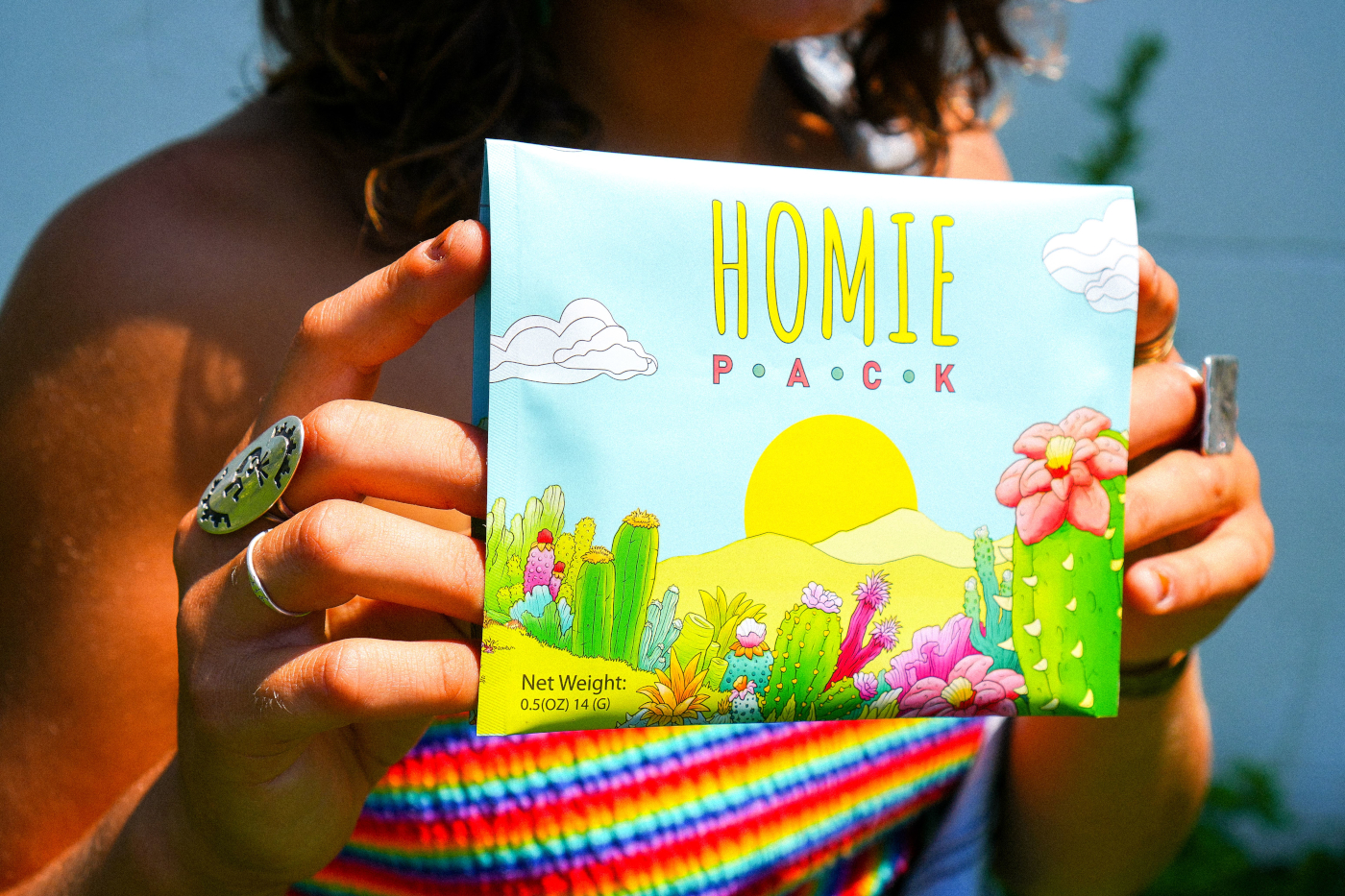
Having spent the past five years of my life at the nexus of art and cannabis, I’ve had a lot of time to ponder the use of AI-generated art in the cannabis industry. My team and I have used AI tools to help grow our business here and there, and we absolutely see the value in the convenience and productivity of AI tools. I’m not categorically against AI in the cannabis industry.
However, I believe the industry needs to hold itself to a higher standard now more than ever. Unlike other industries that are fully incorporated into our social, cultural, and financial systems, cannabis still routinely stands trial in state and federal legislatures, regulatory bodies, and the court of public opinion. We’re under a microscope, and anything we can do to build a reputation for excellence should be prioritized.
Art is everywhere in the cannabis industry. Flower, concentrate, and edible brands use packaging art to differentiate themselves on the shelves. Dispensaries often commission murals or even display the work of local artists and artisans to build a more welcoming retail vibe, and many of the leading brands feature references to popular artists (Khalifa Kush, Keith Haring accessories, Snoop Dogg’s myriad endeavors, etc.). Some artists use cannabis as part of their creative process, and many cannabis enthusiasts enjoy engaging with art when they’re high, whether that’s visual art, film, or music.
There is a natural synergy between the art world and the cannabis world that cannot be denied. That invokes a question: If art and cannabis are such a natural fit, why are we even having this discussion about the use of AI art in the cannabis industry?
The answer is driven by misunderstanding and rooted in Business 101. We must start by admitting there is a huge amount of confusion about what “art” is and how to value artistic creations. Establishing a common working understanding of the term would help tremendously, but since that debate probably is as old as humankind itself, a singular definition for “art” likely won’t arise anytime soon. So, businesses have very little in the way of hard-and-fast guidelines to help them make the right artistic choices for their brand and bottom line.
The pros of human-generated art
There are some major upsides for cannabis brands in working with human artists.
Brands that choose to work with artists are pushing back on the threatened “AI job-loss” wave by employing someone who has spent years honing their skills and producing unique work. In many cases, the reward is a one-of-a-kind finished product: amazing new visual branding, an awesome mural, or fresh packaging that will help a product stand out and sell.
By working with a human artist, brands can gain credibility and respect within the customer community. Many consumers appreciate not only an artist’s vision but also the business’s apparent commitment to supporting local talent.
Finally, some artists have an existing fan base whose members are cannabis consumers. Displaying an artist’s work can serve as an introduction to a previously untapped audience.
The business case for original work
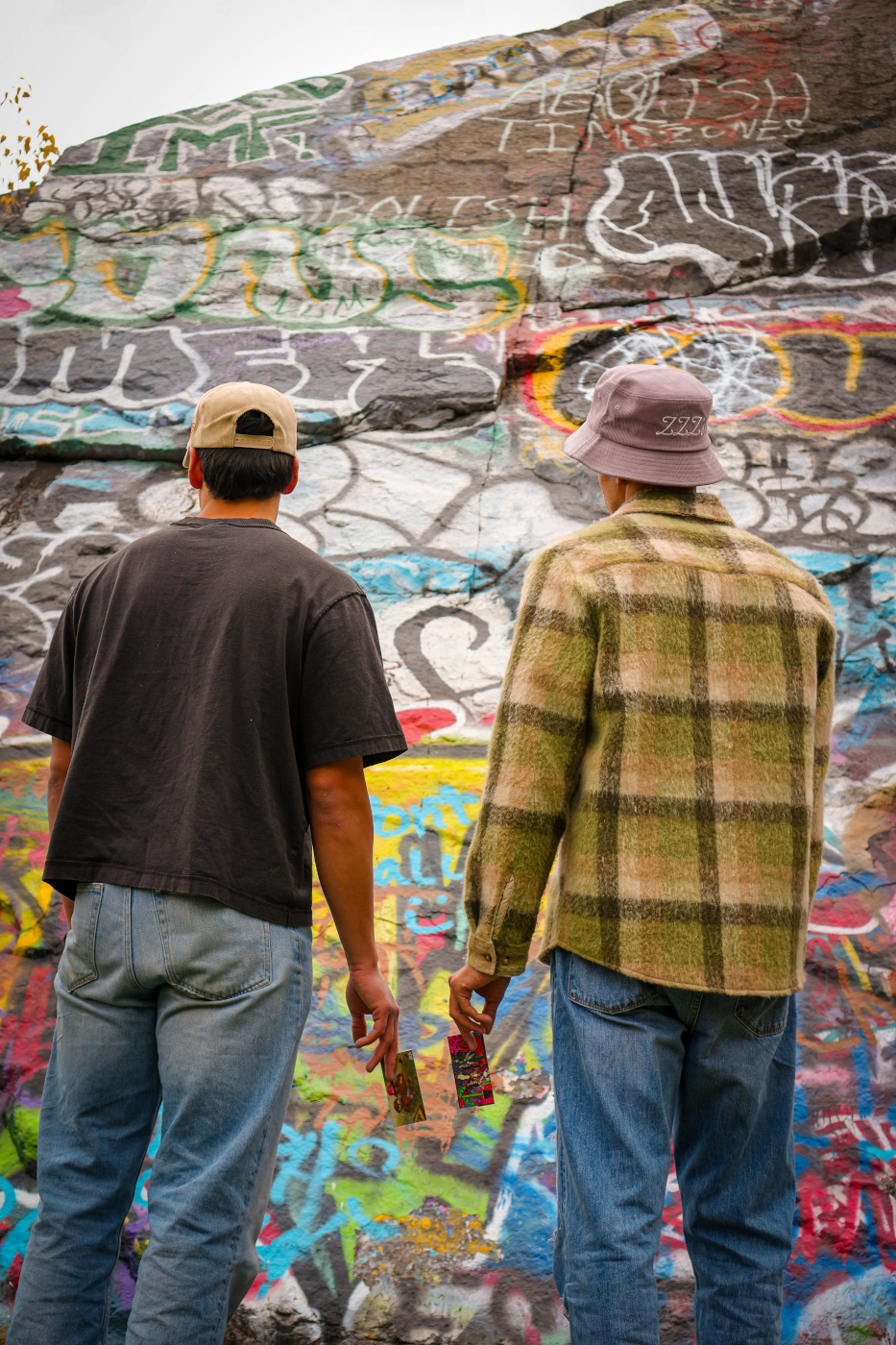
I’ve heard dozens of industry insiders bemoan the expense of working with human artists. Yes, there is a cost to human-created art, just as there is a cost for human-created restaurant meals or clothing or building designs or cannabis flower. You pay not only for the finished product, but also for the craftsmanship and expertise that went into its creation.
That said, budgetary constraints are very real, forcing operators to make hard decisions. Why spend thousands of dollars and countless hours working collaboratively with a human artist when you can just use an AI tool and complete the project within days — maybe even minutes? Isn’t it just good business to take the cheaper, faster, often easier route?
Well, that depends. If a colorful piece of AI-generated art will accomplish the goals you want to accomplish, then yes, it may make better business sense to assign the task to an AI agent. The finished product may well be less expensive and perfectly suitable for the task, but it will lack the artistic soul incorporated into every piece of human-generated art: the process, the collaboration, the creative human spirit that forges connections with consumers.
Machines can reflect the world they’ve observed through analyzing thousands of years of human creativity. Human artists create new worlds based on a spark of human passion.
The cannabis industry shares commonalities with artists. Both groups reside on the fringes of mainstream society feeling misunderstood and underrepresented. Embracing human artists and their creations represents an opportunity for the cannabis industry to grow, engage with new audiences, and support the communities whose support we want.

Eric Sellew entered the cannabis industry in May 2020 with his cannabis accessories brand ZZZ’s Collective, which he serves as chief executive officer. From the beginning, ZZZ’s Collective focused on providing artists a digital gallery and viable commercial outlet for their work. A platform that began with embellished rolling papers evolved into collectible smoking accessories and apparel reimagined as canvases for artistic expression.