

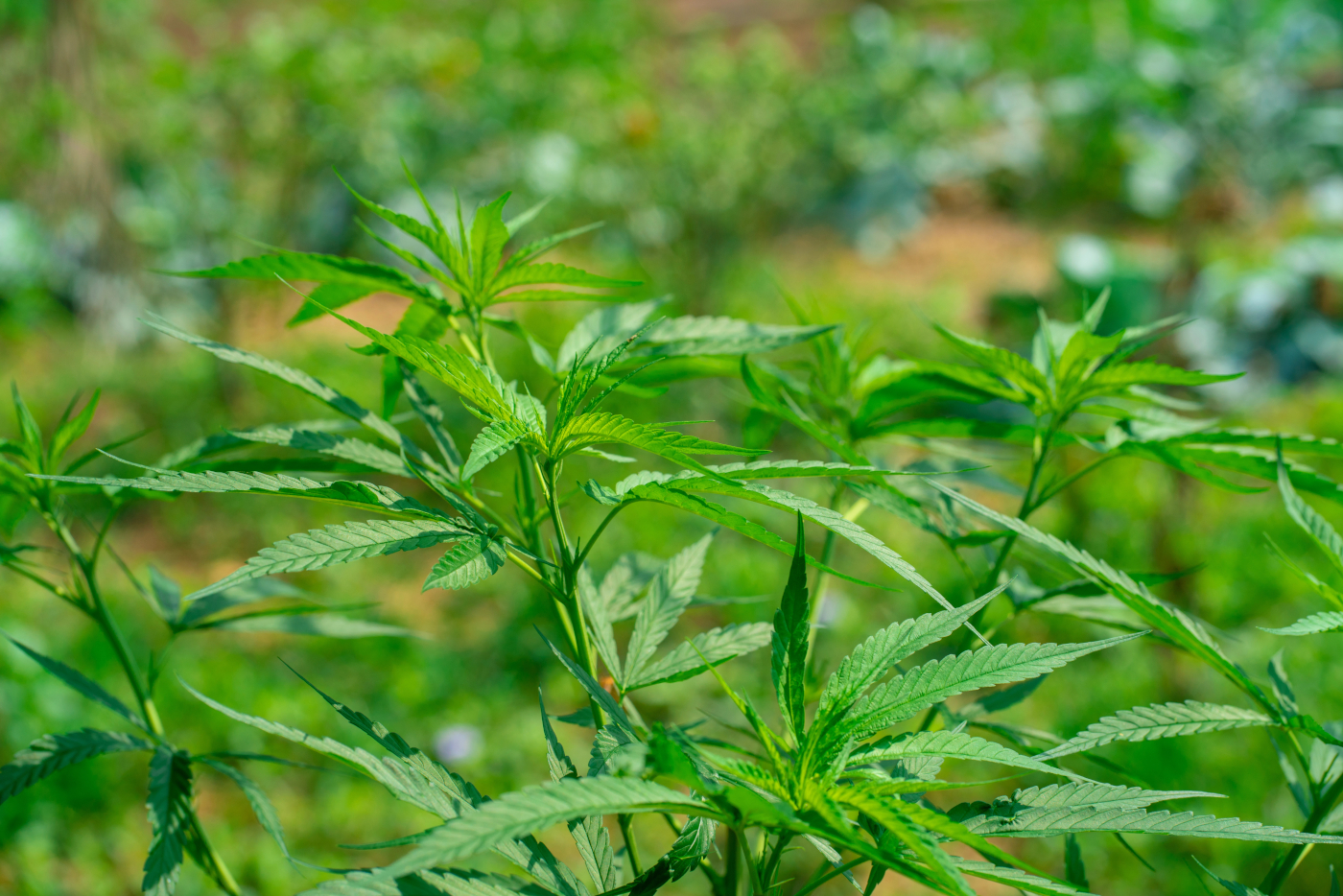
Farmers need stability. They need profitable crops that strengthen rural economies and create new income opportunities. Hemp provides both.
- The economic crisis: Abrupt policy shifts and prohibitionist language inserted into the Farm Bill reauthorization (H.R. 5371) risk stalling a mature, multibillion-dollar market and devastating multi-generational family farms.
- The alcohol model solution: Instead of outright federal bans, the U.S. should regulate hemp-derived cannabinoids using a state-controlled framework modeled after the 21st Amendment.
- Funding the future: Implementing a state-by-state regulatory model would allow the federal government to tax finished cannabinoid products, with revenues earmarked to expand industrial grain and fiber infrastructure.
- Preserving leadership: Lawmakers must reject unexpected policy reversals to ensure American farmers aren’t placed at a competitive disadvantage, preserving the agricultural innovation originally championed in the 2014 and 2018 Farm Bills.
Kentucky helped lead the return of hemp production through the 2014 Hemp Research Pilot Program championed by Senator Mitch McConnell. The federal Agriculture Improvement Act of 2018 (also known as the 2018 Farm Bill) removed hemp from the Controlled Substances Act, reopening the door for American farmers to participate in a $10-billion global industry. Hemp is a broad agricultural and industrial ecosystem including grain for food and nutrition, fiber and hurd for industrial applications, and the expansive hemp-derived cannabinoids market.
Kentucky moved to build this industry quickly and responsibly. Farmers, processors, universities, regulators, and entrepreneurs invested in cultivars, agricultural practices, processing infrastructure, supply chains, and compliance standards designed to support a safe and legal industry. With common-sense legislation and a fair regulatory framework, hemp can strengthen rural economies and support both large scale agriculture for fiber and grain and small family farmers engaged in cannabinoid production.
Today, that progress is at risk. Recent federal restrictions and uncertainty surrounding hemp-derived cannabinoids — specifically driven by changes in the Farm Bill reauthorization (H.R. 5371) — have created instability throughout Kentucky agriculture.
Disruption in any hemp sector will negatively impact farmers, processors, and industrial development potential. This is not necessary, and the hemp industry will rely on our legislative delegation in Washington to make the correction.
The economic toll on Kentucky family farms
Brian Furnish is an eighth-generation Kentucky farmer, growing tobacco and other crops, including hemp. He has worked closely with the Kentucky Department of Agriculture, state and federal regulators, law enforcement, and policymakers for years. Furnish supports regulation, but the unexpected cannabinoid prohibition has had a significant effect on his family farm and risks stalling an industry that is just beginning to mature.
“We see the potential of our hemp crop for food, fiber, and dietary supplements,” he said. “Since legalization, we’ve invested considerable time and money to develop this agricultural ecosystem. Hemp cannabinoids are a cutting-edge agricultural product and are not going away. Regulatory issues can be thoughtfully addressed, and Kentucky has been a leader in this area. Unfortunately, this abrupt policy change created so much uncertainty that markets dried up. On our farm alone, at current prices, we’ll lose about $450,000 on last year’s crop.”
A regulatory alternative: the 21st Amendment model
Annie Rouse, is a longtime hemp advocate, researcher, entrepreneur, and former Fulbright Scholar studying hemp fiber potential in Canada. She formulates, tests, and markets cannabinoid products, including canned beverages, which are sold in liquor stores and at Cannabuzz, her Kentucky retail outlet.
Rouse recommends a clear alternative: state-controlled regulation of cannabinoids, modeled after the 21st Amendment’s framework for alcohol.
“This new regulatory prohibition was inserted into the Farm Bill (H.R. 5371), which is not intended to regulate this type of finished product,” Rouse said. “A better solution is to have states regulate cannabinoids similar to how Kentucky and Minnesota do now, then federally tax it and earmark a portion of the revenue for expanding the grain and fiber markets.”
The 2018 Farm Bill was intended to encourage innovation and economic development across hemp’s full agricultural and industrial spectrum. Since the 2014 Hemp Pilot Program, Kentucky has consistently demonstrated leadership in responsible oversight of cannabinoids. Concerns involving youth access and product safety should be addressed through clear regulations, testing standards, labeling requirements, and enforcement — not by undermining an agricultural sector with broad economic potential. Lawmakers in Kentucky and our delegation in Washington have an opportunity now to return to the simple language of the Farm Bill and continue to implement and improve on thoughtful state-by-state regulation.
Preserving Kentucky’s agricultural leadership
Kentucky has demonstrated leadership in responsible hemp oversight. U.S. Congressman James Comer and Kentucky Agricultural Commissioner Jonathan Shell have respectfully called for assurance that “Kentucky’s farmers are not placed at a disadvantage because of abrupt policy changes.”
Washington should more quickly to ensure a stable hemp market and allow Kentucky farmers to continue innovating, competing, and growing.

Joe Hickey has spent more than three decades helping rebuild America’s industrial hemp industry and serves as the executive director of the Kentucky Hemp Growers Cooperative Association (KHGCA). He lives in Lexington, Kentucky.