
The novelty of legal cannabis has worn off. What was once a transactional experience — simply being able to purchase cannabis legally — has evolved into something far more nuanced. As the market matures, today’s cannabis consumers are becoming more informed, more selective, and far more discerning about quality.
At the center of this shift is one defining attribute: freshness. Increasingly, “freshness” is shorthand for premium, craft-focused, and well-handled cannabis. The word signals not just potency but also care all the way through cultivation to curing, packaging, and retail. In many ways, this marks the beginning of the industry’s true consumer packaged goods (CPG) era, where brand trust, product integrity, and consistency matter as much as accessibility.
- Terpene preservation: Flavor and aroma are now the primary benchmarks for premium cannabis quality.
- Post-harvest tech: MAP packaging and precision curing are replacing inconsistent manual methods.
- The “live” trend: Consumer demand is shifting toward fresh-frozen products like live resin and rosin.
- Supply chain integrity: Cold-chain logistics and smart retail storage play a critical role in preventing degradation.
Why is freshness the top priority for modern cannabis consumers?
Like consumers across other CPG categories, cannabis shoppers are making their expectations clear, and freshness sits at the top of their list.
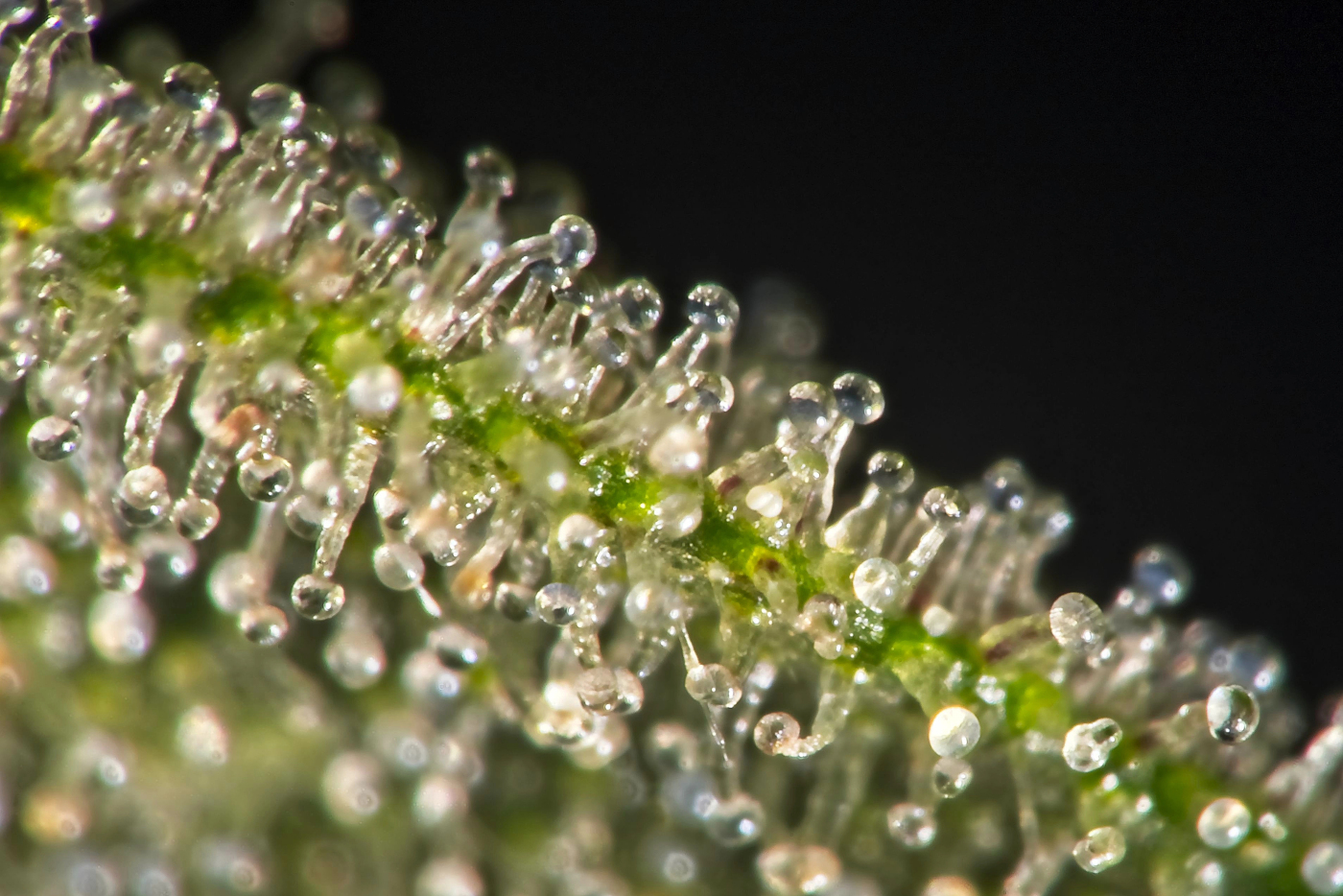
In cannabis, freshness is multi-dimensional. It starts with flavor and aroma, driven by terpenes, the naturally occurring aromatic compounds responsible for a strain’s distinctive sensory profile. Over time, terpenes degrade or evaporate, dulling both taste and experience. Then there’s potency: cannabinoids like THC naturally break down when exposed to light, heat, and oxygen, resulting in a less effective product.
Freshness shows up physically, too. Well-preserved flower maintains a slight stickiness and pliability, while older cannabis becomes dry, brittle, and crumbly. And freshness affects the experience itself: properly cured cannabis delivers a smoother, more enjoyable smoke, while aged product can feel harsh and unpleasant.
How are cannabis consumers changing their buying habits?
Consumer behavior reflects a heightened focus on freshness. Many retailers report that today’s cannabis customers make smaller, more frequent purchases, prioritizing quality over quantity to ensure products are consumed at their peak. More customers are also habitually checking harvest and packaging dates on labels rather than relying solely on THC percentages as a proxy for quality.
The rise of “live” products like resin and rosin underscores this shift. By using fresh-frozen plant material, live resin and live rosin preserve the terpene profile of the living plant, delivering a more vibrant and authentic experience. Meanwhile, a growing preference for deli-style retail — where consumers can see and smell flower before purchase — highlights a desire for direct sensory confirmation of freshness.
To meet these expectations, cannabis operators are modernizing every stage of the value chain, from cultivation and post-harvest processing to packaging and in-store presentation. The direction is clear: away from manual, inconsistent methods and toward data-driven, precision-controlled systems designed to preserve quality at scale.
How is technology improving cannabis cultivation quality?
Technology is transforming how cannabis is grown. Advanced cultivation facilities now rely on AI-powered environmental controls and Internet of Things sensors to monitor and adjust variables like temperature, humidity, CO₂, and lighting in real time. This reduces plant stress, improves consistency, and enhances both cannabinoid and terpene development.
Lighting has also evolved. Tunable LED systems allow cultivators to manipulate light spectra, triggering specific plant responses that increase flower density and terpene expression. Soilless growing systems such as hydroponics and aeroponics, meanwhile, enable precise nutrient delivery, resulting in cleaner, healthier plants and more predictable outcomes.
How post-harvest technology preserves terpenes and potency
Industry Terminology
Modified-atmosphere packaging (MAP): A preservation technique that substitutes the atmospheric air inside a package with a protective gas mix (typically nitrogen and CO2). This process stabilizes humidity and significantly slows the oxidation of cannabinoids and terpenes, extending shelf life without chemical preservatives.
If cultivation sets the stage, post-harvest processes determine whether quality is preserved or lost. Modified-atmosphere packaging (MAP) helps maintain optimal humidity levels while minimizing oxidation. Precision-controlled drying, curing, and storage systems allow operators to manage environmental variables consistently, preserving terpenes and eliminating the quality variability that comes with manual curing.
At the distribution level, cold-chain logistics are gaining traction, particularly for concentrates and other high-value products. Maintaining consistent temperatures from production to retail reduces degradation and can extend shelf life significantly.
How are dispensaries keeping cannabis fresh?
As the final link in the chain, retail dispensaries are also undergoing a transformation driven by freshness-focused technology. Advanced packaging solutions — including high-barrier, multi-layer materials and vacuum sealing — limit exposure to oxygen and ultraviolet light, both of which degrade cannabinoids and terpenes. These approaches mirror best practices from the food and pharmaceutical industries.
Industry Terminology
Cold-chain logistics: A temperature-controlled supply chain that maintains a specific, low-temperature range from the point of harvest through distribution and retail. In cannabis, this is vital for preserving “live” concentrates and volatile terpenes that can degrade or liquefy at room temperature.
Progressive retailers are integrating controlled storage solutions and making freshness a key selling point. In-store humidity management tools help maintain optimal conditions inside packaging and display units, protecting terpene content, texture, and weight. Dispensaries are also adopting airtight display and sensory technologies that allow consumers to see and smell products without repeatedly exposing sensitive goods to air — especially important in high-traffic environments where traditional display methods can compromise product quality quickly.
The future is fresh
Cannabis is rapidly evolving into a tech-enabled quality ecosystem, where advancements in AI cultivation, environmental controls, post-harvest science, and retail storage work in concert to deliver a consistently fresh, premium product.
The stakes are high. Freshness is no longer just an aesthetic preference — it directly impacts flavor, potency, burn quality, and consumer trust. As shoppers become more educated, they expect cannabis to be handled with the same precision and care as craft coffee or fine wine.
For operators, meeting this demand is a competitive imperative. Investments in freshness-driven technologies lead to stronger brand perception, higher repeat purchases, and reduced product loss and margin erosion.
In today’s market, freshness is not a feature. It’s the standard. The companies that treat it as such will define the next era of cannabis.

An accomplished marketing leader with more than twenty-five years of experience, Chris Mapson is executive vice president of marketing for Cannatrol, a leader in precision cannabis drying, curing, and storage technology. Previously, he served as vice president of marketing at LivWell Enlightened Health/Pharmacann and marketing and creative director at The Green Solution. Additionally, he has held roles at CenturyLink, Sony, and Aramark.