
Cannabis has an inherent connection to nature. It comes from the earth, and traditionally it has been grown organically. But as our industry has scaled and commercialized, I’ve watched that connection erode, replaced by mountains of single-use packaging, non-recyclable vape products, and manufacturing processes that prioritize speed over sustainability. That disconnect has always bothered me. Getting Green Certified by the state of California was our way of doing something positive and impactful.
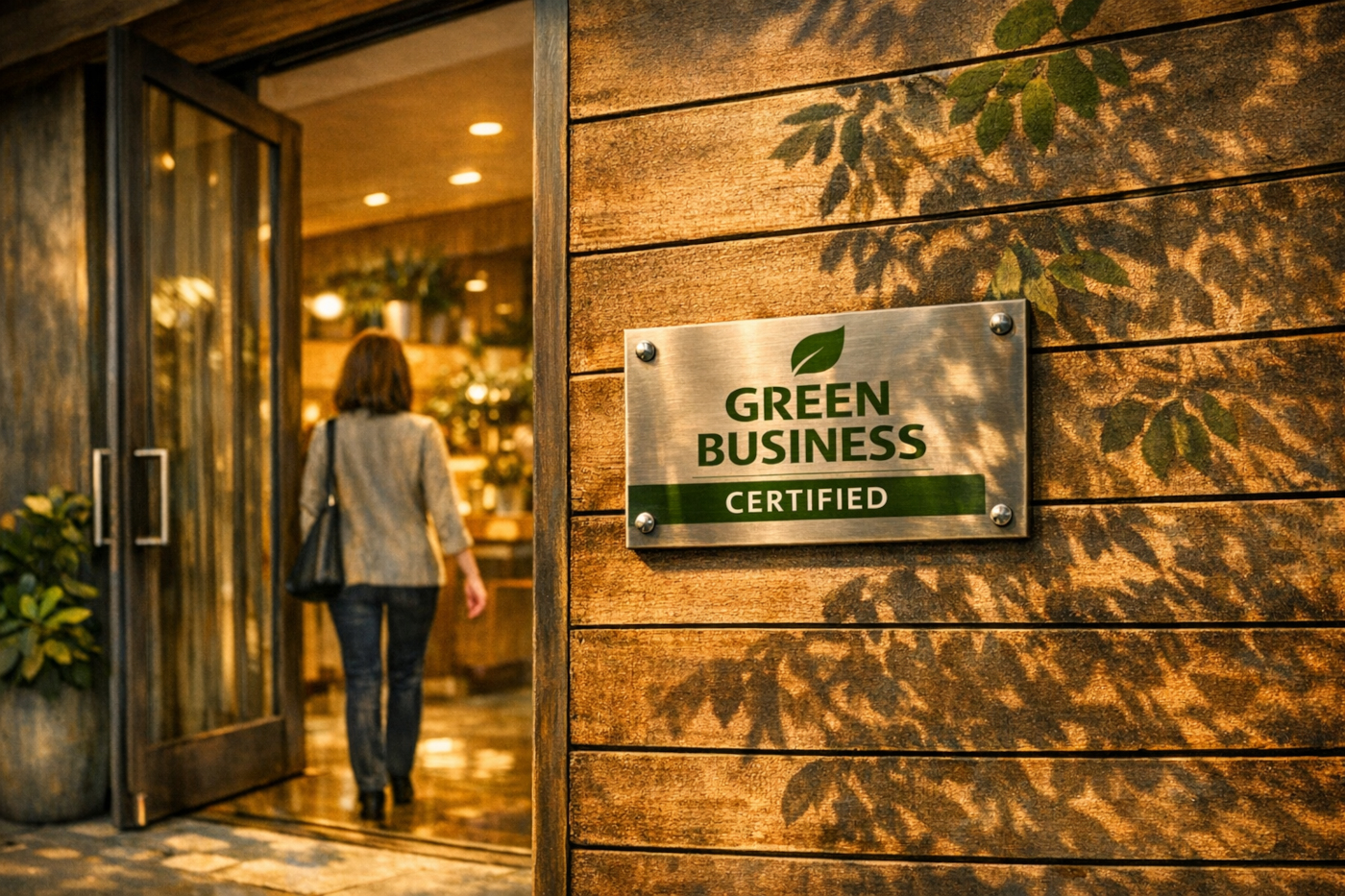
The Artist Tree is now one of the few cannabis companies in California to have achieved Green Business Certification from the California Green Business Network (CGBN). Our Beverly Hills, West Hollywood, and Koreatown dispensaries are certified, with more on the way. The West Hollywood location holds the distinction of being the first dispensary in that community to achieve Tier 2 Certification, indicating we’ve met mandatory standards for energy efficiency, water conservation, waste reduction, and pollution prevention. The City noted this milestone in its formal announcement to us.
But what does the certification actually mean, and why did it matter enough for us to pursue it?
Becoming officially certified was important on two levels. First, it confirmed the sustainable practices we put in place eight years ago when we first envisioned The Artist Tree were real and meaningful. CGBN evaluates businesses across California on their efforts to conserve natural resources, minimize waste, prevent pollution, and reduce their carbon footprint. Passing that evaluation, both in policy and in practice, meant something to our team.
Second, it pushed us to go further. Certification gave us a framework and a checklist. It revealed gaps we hadn’t addressed yet, and it motivated us to find new ways to operate more sustainably beyond what we already were doing. That kind of structured accountability is valuable. It’s easy for good intentions to stay intentions without something external holding you to them.
Solving the vape-waste crisis
If you’re familiar with the inner workings of the cannabis industry, you know vape products generate a staggering amount of waste. Cartridges, batteries, and the packaging around them often can’t be recycled through conventional channels, so they end up in landfills. For us, this was the most pressing environmental issue we needed to address.
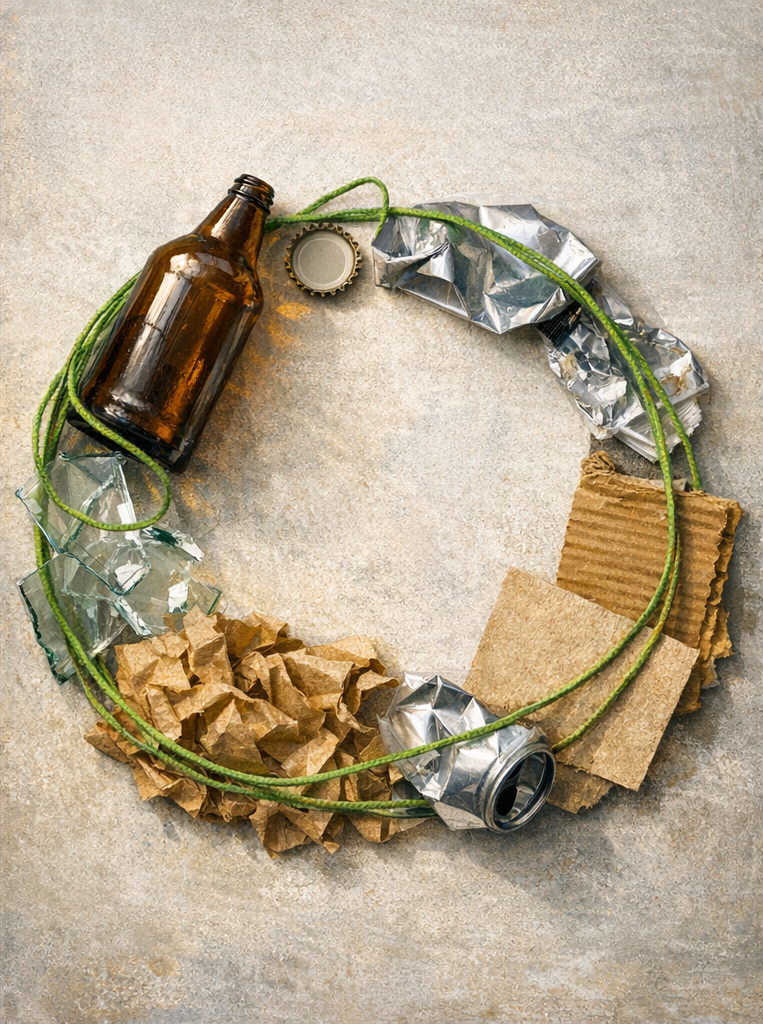
In 2024, we launched a vape recycling program. In partnership with Cannabis Waste Solutions (CWS), we collect used vape products and flower packaging across our locations. CWS then works with recycling providers to transform those materials into asphalt and other building materials, which means the waste is not just diverted from landfills. It’s being put to use.
We made it easy and rewarding for customers to participate: bring back your used vape cartridges, batteries, or packaging, and we’ll credit your loyalty account with points toward future purchases. The response has been encouraging. We’re now diverting thousands of products from landfills every year.
Conscious curation: vetting sustainable brands
Our commitment to sustainability doesn’t stop at our own operations. It also extends to the brands we choose to carry. When we evaluate new vendors, environmental practices are part of our vetting process. We look for growers and manufacturers who use solar energy, rainwater collection, living soil, and chemical-free pest control. We prioritize products that are pesticide-free and packaged responsibly.
Some of the standout brands on our shelves exemplify what’s possible. WYLD is climate-neutral certified and uses compostable packaging. Raw Garden holds ECCO and OCal certifications. Coastal Sun and Autumn Brands are among the others we carry who have made real commitments to sustainable production. These companies show that doing things the right way and building a successful cannabis business are not mutually exclusive.
Operational sustainability: the small wins
Beyond the headline initiatives, we’ve made a lot of smaller changes that add up. We’ve transitioned all cleaning products to eco-friendly alternatives. All of our paper goods — from office supplies to paper towels — are sourced from sustainable materials. We’ve introduced separate receptacles for compost and electronic waste. In our lounge areas and for our staff, we’ve moved away from disposable cutlery and drinkware and toward reusable glass and metal. Customers who bring their own bags can take advantage of our reusable totes, and when disposable bags are needed, they’re made from recycled materials.
None of these were big announcements, but all of them represented impactful decisions that determine what kind of company we are.
Redefining the industry paradigm
I want to be clear about something: Green Business Certification recognizes how we operate, not the products we sell. Cannabis doesn’t get a free pass for being a plant. How it’s grown, how it’s packaged, how it’s sold, and what happens to the packaging afterward — all of that matters. The certification is a recognition of the choices we’ve made at each of those steps.
There are not many cannabis companies in California that have done this. I hope more will. The industry has grown up fast, and in that growth, some things have been left behind. Environmental responsibility is among those things. Our hope is that by doing the work to become California Green Business Network certified — and talking openly about it — we can be part of changing the paradigm.
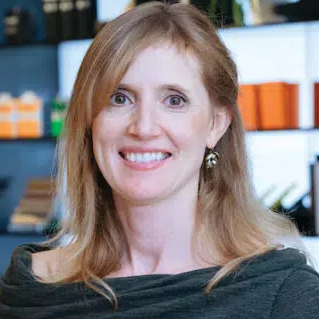
Lauren Fontein is co-founder and chief compliance officer at The Artist Tree, a cannabis retail and lounge brand with locations throughout California. She began her professional career as a corporate lawyer in Los Angeles and transitioned into the medical cannabis industry in 2009. Since then, she has founded several cannabis businesses, including The Artist Tree, which she launched in 2018 to promote the connection between art and cannabis. The Artist Tree is known for its unique, art-focused aesthetic and business model: Each location functions as a local art gallery and immersive cultural destination. Since 2018, Fontein has helped grow The Artist Tree into a network of eleven retail stores and two consumption lounges across California, with additional locations planned for opening in 2026.