

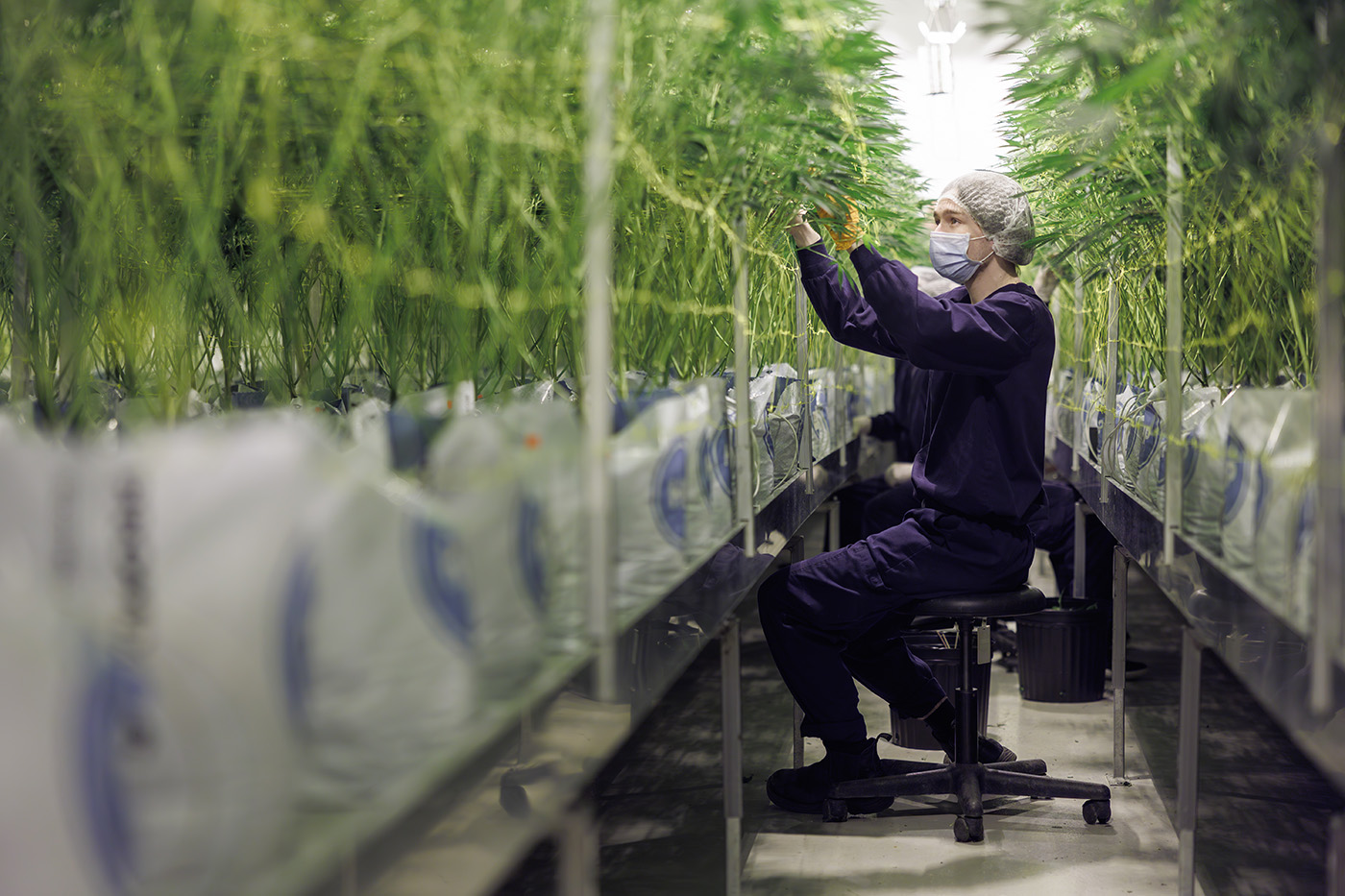
Cultivation is an art and science that requires careful attention to detail. One of the most common challenges faced by growers is nutrient deficiencies, which can severely impact plant health, bud quality, and overall yield. This guide will help you identify and address key nutrient deficiencies in cannabis plants, ensuring your crop thrives.
During the vegetative growth phase, the pH level of the growing medium significantly affects the availability of mineral nutrients. In peat-based media, limestone is added to buffer the pH, typically maintaining it around 5.8 to 6.5 for optimal crop growth. However, if excessive leaching occurs, the lime can be washed away, leading to a drop in pH which can lead to excessive availability of certain micronutrients, such as iron, manganese, boron, copper, and/or zinc. Leaching also may reduce availability to the roots of important secondary elements, such as calcium and magnesium.
In contrast, other growing media such as coir or rock wool do not include limestone; therefore, even with high leaching, the pH must be stabilized by the water and mineral nutrients supplied.
Ensuring fertilizers have the proper balance of ammoniacal nitrogen (N-NH₄) and nitrate nitrogen (N-NO3) is crucial. Fertilizers with high levels of ammoniacal nitrogen can cause pH drop that may result in mineral deficiencies or toxicities.
Additionally, monitoring electrical conductivity (EC) is vital to ensure the proper absorption of minerals. High EC levels can create imbalances in mineral uptake, while low EC may indicate plants are not receiving adequate nutrition.
And don’t forget: While managing nutrients is vital for growth, it is equally important to monitor for heavy metal contamination that can enter through your water or media.
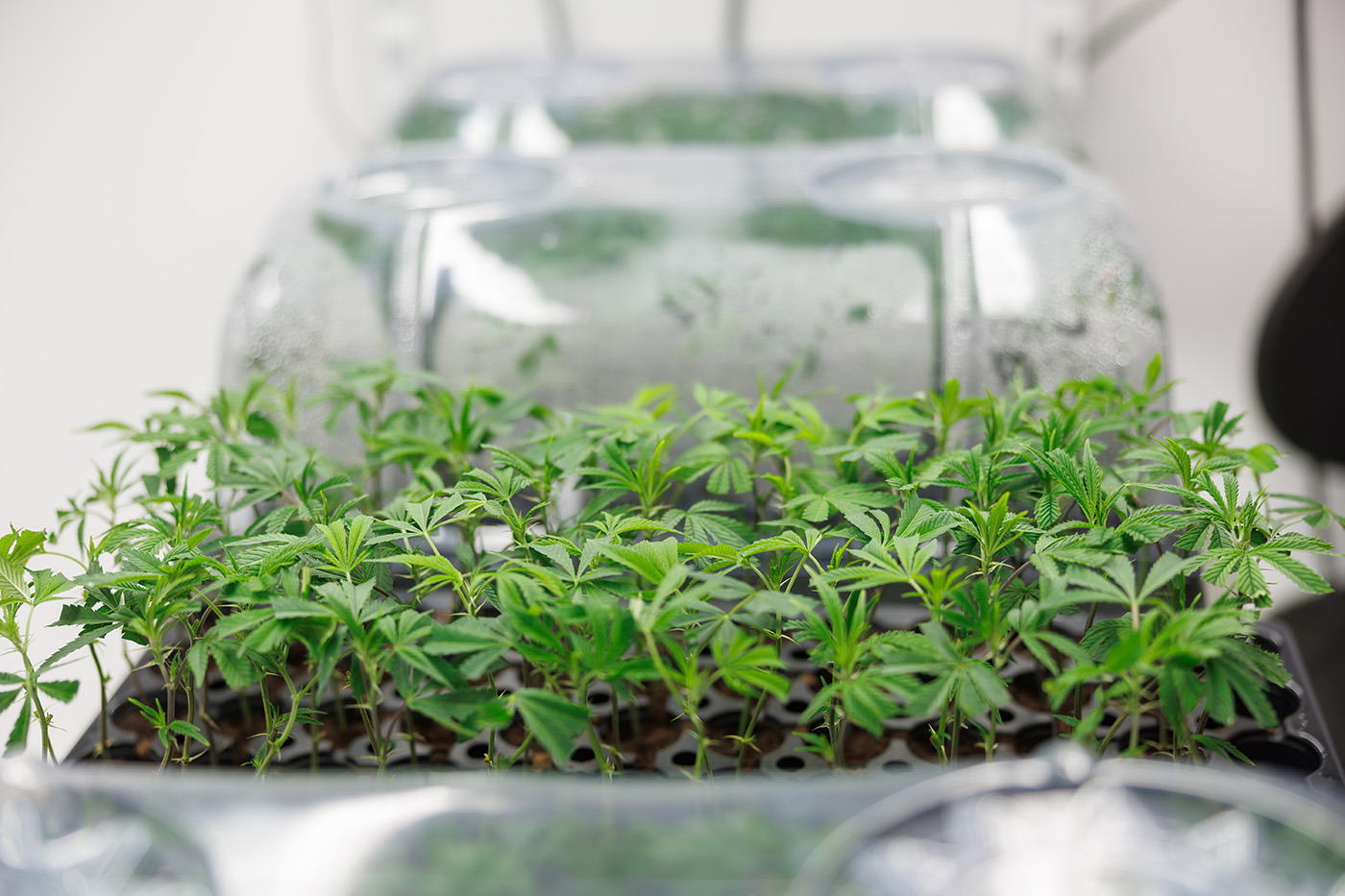
Identifying and fixing macronutrient deficiencies
How to fix nitrogen deficiency
Symptoms: Pale green leaves (mainly the older leaves at first), purple hues on stems, slow growth, and dormant lateral buds.
Causes: Insufficient nitrate nitrogen, excess manganese, chloride, zinc, or potassium, or a dysfunctional root system.
How to fix phosphorus deficiency
Symptoms: Dark green, bluish, or bronze leaves with curling and dark gray or purplish spots. Stems may turn bright red or purple.
Causes: Improper pH levels, as phosphorus is more available at lower pH (5.5–6).
Solution: Adjust pH levels.
How to fix potassium deficiency
Symptoms: Weak stems, poor bud development, and brown spots on leaves. Leaves may curl or twist and display yellowing or browning edges.
Causes: Nutrient lockout due to low potassium levels or improper pH.
Solution: Adjust pH levels, use a potassium-enriched fertilizer, and carefully monitor pH and EC levels.
How to fix calcium deficiency
Symptoms: Large, light-brown necrotic spots; curling of new leaves; yellowing leaf edges; and fragile branches prone to breaking. Roots may turn brown and become vulnerable to pathogens.
Causes: Soft or filtered water removing calcium, or low root pH due to imbalanced fertilizers.
Solution: Use calcium-enriched fertilizers and ensure water and soil pH levels are optimal.
How to fix magnesium deficiency
Symptoms: Lower leaves turn yellow, showing chlorosis. Veins on leaves remain green while the rest of the leaves yellow.
Causes: Insufficient magnesium in the fertilizer used. This element is very important in photosynthesis; if the quantities provided are too low, the whole plant will suffer.
Solution: Add Epsom salts (MgSO₄) to the feeding regimen and follow label instructions to correct the deficiency.
How to fix sulfur deficiency
Symptoms: Yellowing leaves, woody and rigid stems, and delayed development during the vegetative stage.
Causes: Insufficient sulfur in the growing medium or nutrient solution, especially in sandy soils where sulfur binds with organic matter.
Solution: Use potassium sulfate as a sulfur source and follow label instructions to correct the deficiency.
Identifying and fixing micronutrient deficiencies
How to fix iron deficiency
Symptoms: Pale new leaves with green veins and blossoms dropping. Plants may appear frail and stunted.
Causes: High pH levels in the growing medium limit iron availability.
Solution: Lower the pH of the soil or growing medium to 5.8–6.5 to improve iron uptake. Use a good chelated-iron fertilizer if greening doesn’t reappear on the new leaf growth.
How to fix boron deficiency
Symptoms: Fragile stems, stunted growth, twisted stems, and leaf splitting. Early signs include yellowing leaves and slow growth, progressing to browning leaf tips and thick, misshapen leaves.
Causes: Unbalanced pH, insufficient watering, and heavy leaching can wash out boron and cause deficiency.
Solution: Test and adjust soil pH or nutrient solution to ensure boron is accessible.
How to fix copper deficiency
Symptoms: Leaves develop darker shades with purple or blue undertones, turning white or pale yellow at the tips and edges.
Causes: Nutrient imbalances, clay soils, or alkaline growing conditions.
Solution: Balance soil nutrients and consider using a chelated copper supplement.
How to fix zinc deficiency
Symptoms: Chlorosis (yellowing of leaves), poor flower development, and delayed flowering. Leaves may turn white, pale yellow, or bronze.
Causes: Low organic matter, crop residues, or low soil temperature.
Solution: Increase organic matter in the soil and maintain moderate soil temperatures for optimal zinc absorption.
How to fix molybdenum deficiency
Symptoms: Brittle foliage with burned edges and pale green or yellow leaves.
Causes: Cold temperatures or pH imbalances.
Solution: Maintain warmer soil temperatures and adjust pH levels to 5.8–6.5.
How to fix manganese deficiency
Symptoms: Yellowing starts at the base of leaves and progresses outward, with mottled brown spots and eventual leaf death. Leaves may curl and disintegrate.
Causes: Overwatering, pH imbalance, poor substrates, or excessive iron in the soil.
Solution: Improve drainage, adjust pH levels, and ensure balanced nutrient availability in the soil.
Testing, monitoring, and prevention
Cannabis plants rely on a balanced nutrient profile to thrive at every stage of growth. Identifying deficiencies early and addressing their root causes can save your plants and ensure a bountiful harvest. Regular testing, careful monitoring, and high-quality fertilizers are the best tools for success.
Troubleshooting nutrient deficiencies: expert answers for growers
What causes nutrient deficiencies in cannabis plants?
Nutrient deficiencies often result from incorrect pH, unbalanced fertilizer formulations, or leaching that removes essential minerals from the growing medium.
How can I tell if my cannabis plants lack nitrogen or phosphorus?
Nitrogen deficiency shows as pale leaves and slow growth, while phosphorus deficiency causes dark, curled leaves and purple stems.
What’s the ideal pH range for cannabis nutrient uptake?
For most media, maintain a pH between 5.8 and 6.5 to ensure optimal absorption of macro- and micronutrients.
How can I prevent nutrient lockout?
Regularly test pH and EC, use balanced fertilizers, and avoid excessive leaching that strips calcium, magnesium, and trace elements from the root zone.

As a horticulture specialist with more than thirty-five years’ tenure at Premier Tech, Susan Parent specializes in plant health solutions, microbiology, and grower support. For the past fifteen years, she has helped growers improve crop quality and yield with innovative approaches to enhance plant growth and productivity.